Dollar General counts 20,893 stores as format differences shape jobs
A transfer at Dollar General can change your whole shift, from cooler counts and freight to the kind of customers you serve, depending on whether you land in DG, DG Market, DGX or pOpshelf.
Why the banner matters
Dollar General says it operates 20,893 Dollar General, DG Market, DGX and pOpshelf stores across the United States and Mexico, and that mix tells you a transfer is not just a new ZIP code. The same title can land you in a store with a different shopper rhythm, different freight mix and a different idea of what good execution looks like. For workers, that can change schedule stability, physical workload, the kind of customer interaction you handle and the path to a promotion.
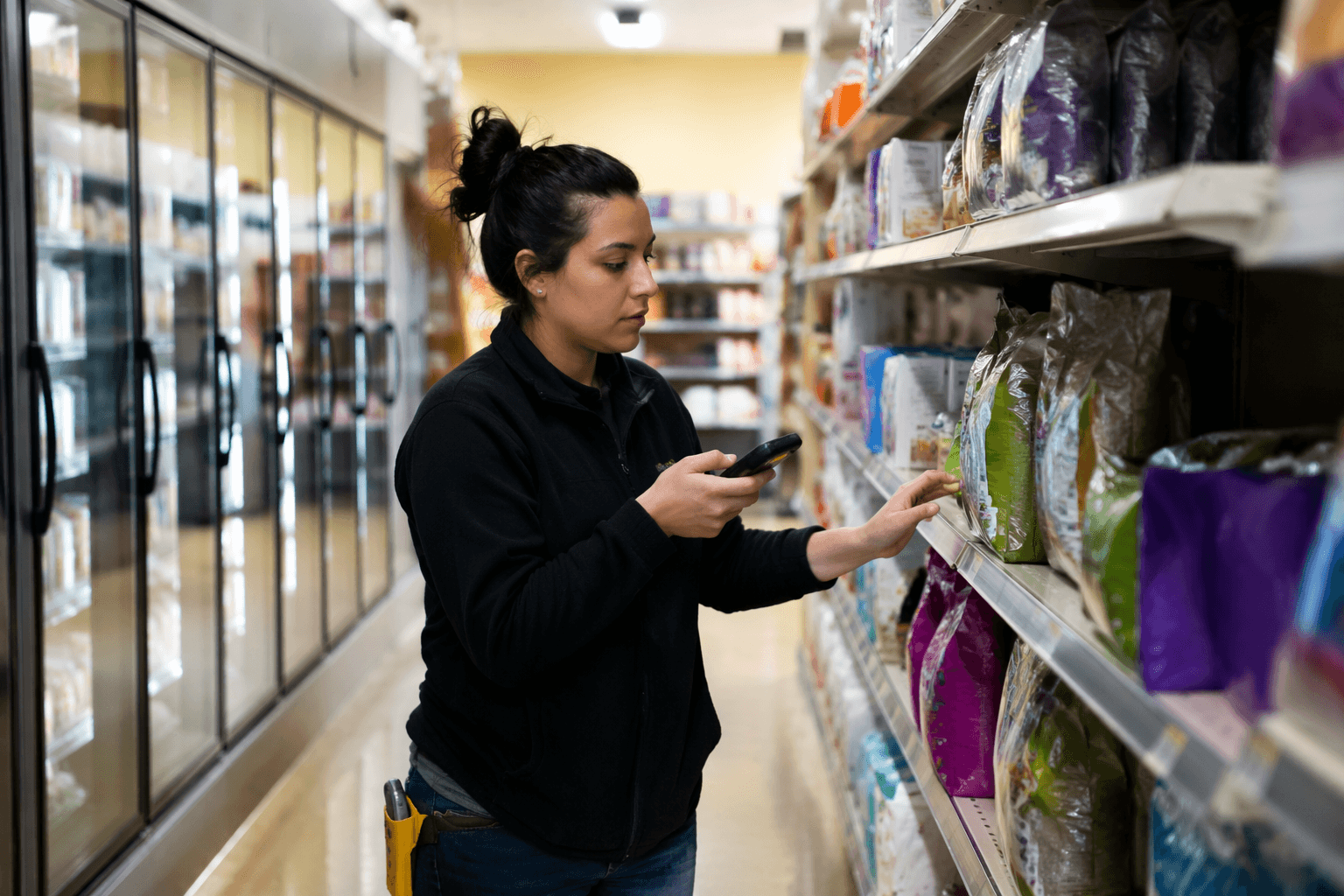
Dollar General has made store-format innovation part of its growth strategy, not a side project. In its fiscal 2025 annual report, the company said the significant majority of new stores in 2025 would be in one of its 8,500-square-foot formats, with expanded high-capacity coolers, an extended queue line, a broader assortment, a larger health and beauty section and produce in select stores. That matters on the sales floor because bigger, food-heavier boxes usually demand tighter truck flow, more recovery and more attention to freshness than a smaller neighborhood unit.
The traditional Dollar General box
The classic DG is still the company’s backbone, and it tends to reflect Dollar General’s wider footprint: about 7,500 square feet of selling space on average, with roughly 80% of stores in towns of 20,000 people or fewer. That small-town and rural base usually means more repeat traffic, more price-sensitive shoppers and a store that lives or dies on basics like paper, cleaning, snacks and seasonal resets.
For associates, the traditional format often means a generalist job. You may cover register, recovery, freight, endcaps and customer questions all in the same shift, with staffing pressure shaping how much of any one task gets finished before the next one starts. For managers, the expectation is usually less about flashy merchandising and more about keeping the box running with limited labor, clean aisles and enough product on shelves to avoid frustrating the same regulars who come in every few days.
DG Market changes the pace
DG Market is where the job starts to feel more food-forward. Dollar General’s newer 8,500-square-foot format is built around more cooler space, a broader assortment and produce in select stores, which means a transfer into a DG Market-style operation can change how much of your day revolves around fresh food, front-end traffic and replenishment. The store may still look like Dollar General on paper, but the operating tempo can feel closer to a convenience-heavy format layered onto a discount store.
That shift affects staffing and truck timing. More cooler doors, more fresh product and a wider assortment usually mean more urgent freight work, more attention to dates and a tighter window to get high-turn items on the floor before customers start asking for them. Managers in these stores are often expected to balance value-store discipline with food-service habits, which raises the pressure on opening routines, labor planning and training newer workers who may not be used to cooler-heavy departments.
DGX is built for a different customer
DGX is the clearest example of how different a Dollar General banner can feel. Introduced in 2019, it was designed for customers living, working and visiting busy downtown and metropolitan areas, and the assortment leans into grab-and-go salads and sandwiches, home cleaning supplies, health and beauty, home décor, electronics, seasonal products, pet supplies, candy, snacks and paper goods. Some locations also carry fresh fruit and vegetables and coffee stations.
That product mix changes the customer mix, too. DGX is built for people moving quickly through city centers, so the pressure is less about a rural weekly stock-up and more about high-velocity convenience and impulse purchases. If you transfer into a DGX, expect a different service rhythm, a more curated merchandising plan and a store that can demand a more polished presentation because the customer base is walking in with a different mission.
pOpshelf is a different kind of busy
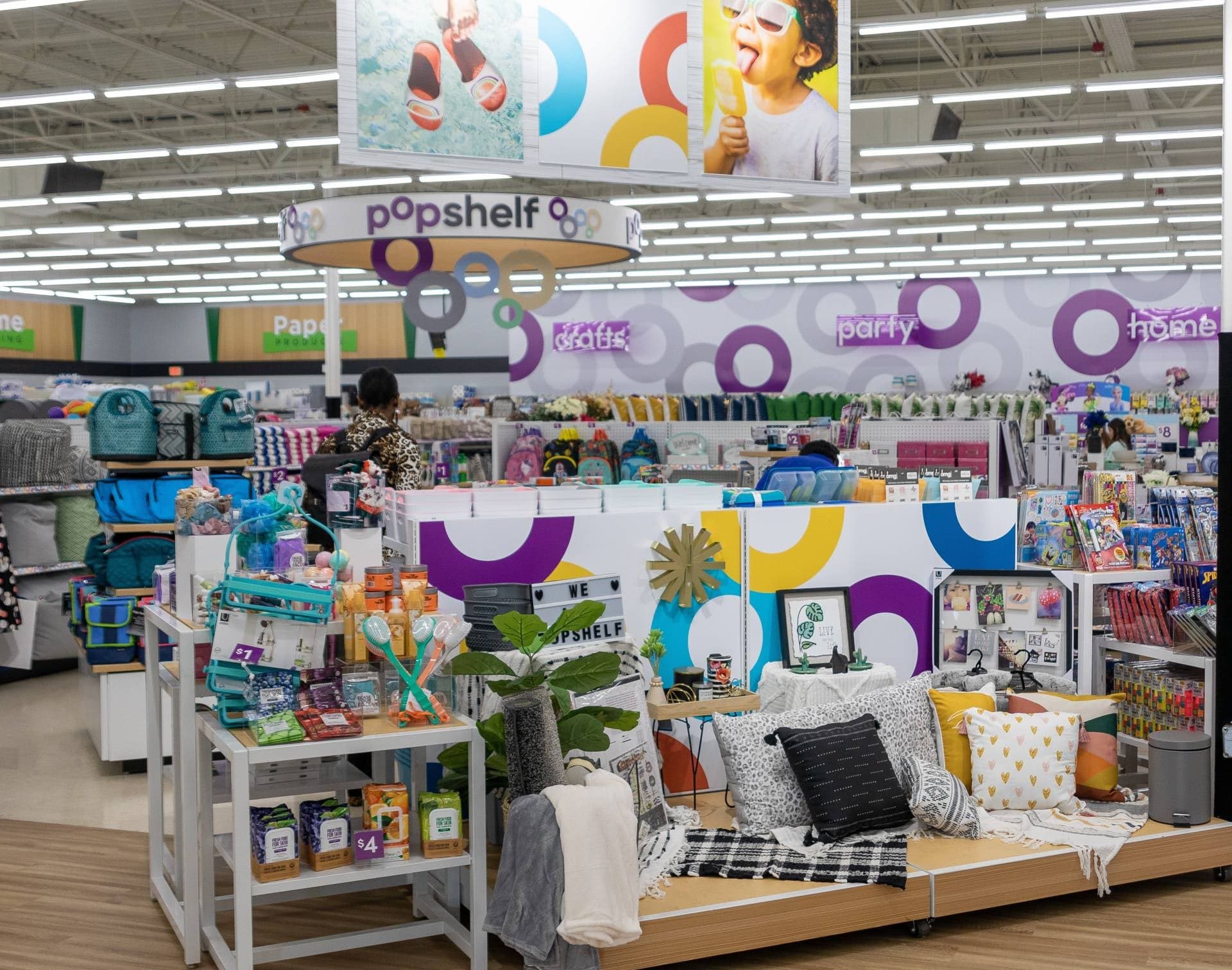
pOpshelf is the most distinct banner in the family because it is built around discretionary, treasure-hunt merchandise rather than the core Dollar General basket. When the concept launched, the company said roughly 95% of items would be priced at $5 or less, with a focus on seasonal, home décor, beauty, household, party and entertaining, arts and crafts and toys. That means the labor pressure shifts away from food and toward constant refresh, visual appeal and keeping the floor looking full and fun.
For workers, pOpshelf can mean a store where merchandising discipline matters as much as speed. The job often looks more like managing displays, seasonal changes and impulse-driven shopping than fronting canned goods or checking cooler resets, which can be a relief for some employees and a surprise for others. If you are used to the more utilitarian pace of a standard DG, pOpshelf can feel more like a specialty store with discount-store labor constraints.
Why combo stores and re-bannering matter
Dollar General has already tested how these formats can blend. In July 2021, it opened its first two DG Market + pOpshelf store-within-a-store locations near Nashville, Tennessee, and said those stores would combine DG Market’s value and food assortment with pOpshelf’s more frequently refreshed discretionary merchandise. The company also said it had opened 16 pOpshelf stores in three states and planned about 25 combination stores and up to 50 additional pOpshelf locations by the end of fiscal 2021.
That history shows the banner is not just marketing. In late 2024, Dollar General said it started a store portfolio optimization review of Dollar General- and pOpshelf-bannered stores, including possible closures or re-bannering based on performance and operating conditions. For employees, that means the format question can affect whether a store gets more labor, different freight, a fresh merchandising plan or a new identity altogether.
What to check before you take the transfer
If you are moving inside Dollar General, the first thing to learn is not the job title but the banner and the building. Ask whether the store is a standard DG, a DG Market, a DGX or pOpshelf, whether it is a combination location and how much of the business depends on coolers, fresh food or discretionary seasonal sets. Those details tell you more about your day than the position name on the posting.
A practical transfer check looks like this:
- How much fresh food does the store carry, and who owns cooler recovery
- How often does freight arrive, and what does truck day really look like
- Is the store more focused on repeat basics, downtown convenience or treasure-hunt merchandising
- How much of the manager’s job is labor control versus floor presentation and food execution
- What kind of advancement does the format usually support, especially if the store has been re-bannering or remodeled
That is the part workers should pay attention to. Dollar General’s format strategy is not just about where the company puts stores next, it is about what kind of work those stores demand once the doors open. If you know the banner, you know a lot more about the shift you are about to inherit.
This article was produced by Prism’s automated news system from verified source data, official records, and press releases, then run through automated quality and moderation checks before publishing. The system is built and supervised by the people who set the standards it runs under. Read our full AI policy.
Know something we missed? Have a correction or additional information?
Submit a Tip