Dollar General outlines internal path from store jobs to fleet driving
Dollar General’s fleet page shows a clear ladder from store work to CDL driving, and it also opens a safety path for employees who want transportation without getting behind the wheel.
From store aisles to the fleet
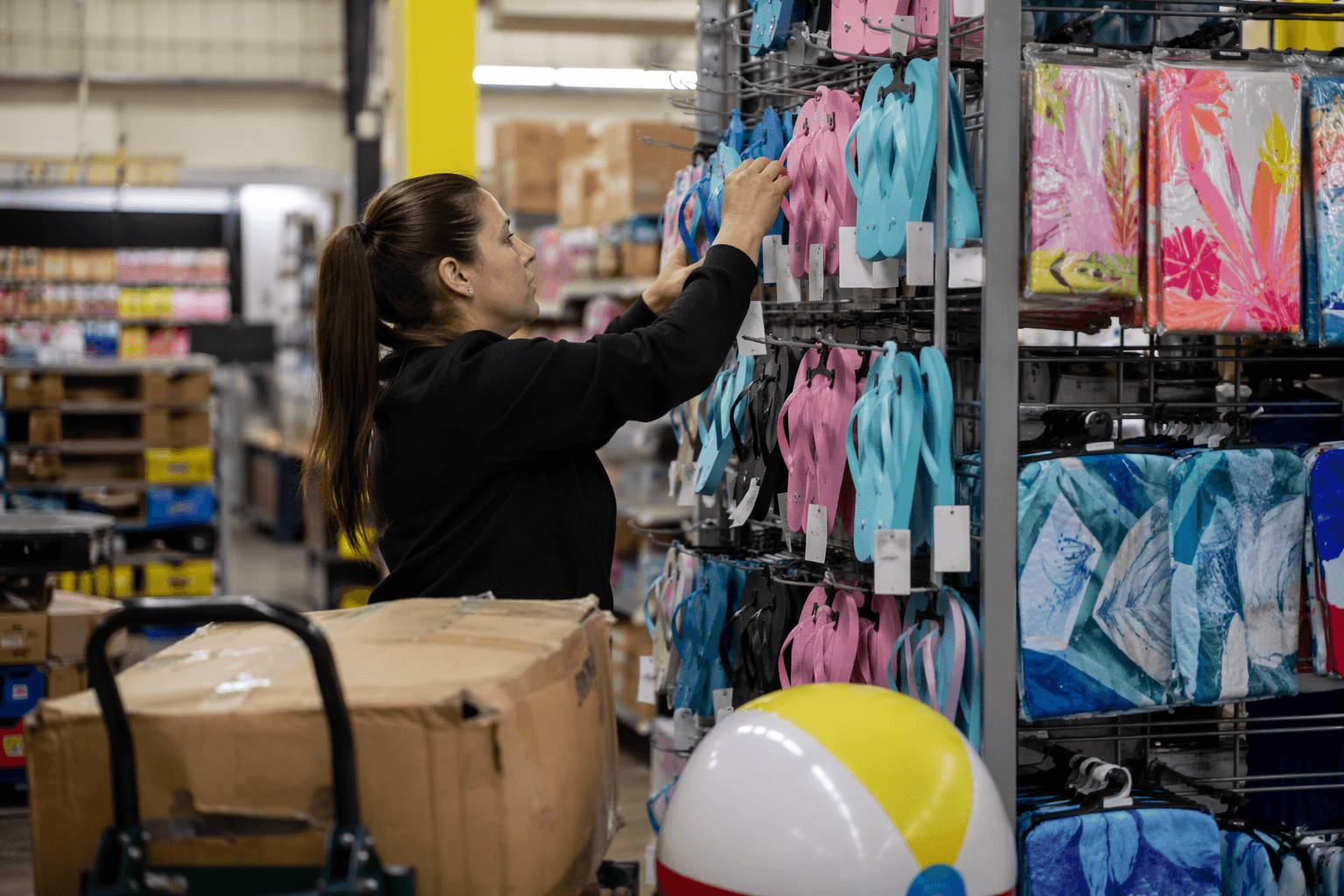
Dollar General’s fleet operation is not a side project. As of January 30, 2026, the company said it operated 20,893 stores across the United States and Mexico, and its transportation network helps move goods from distribution centers to those stores. For employees who feel boxed in by thin staffing, constant freight pressure, and limited advancement on the sales floor, that matters: fleet work is one of the few internal paths that leads from the store or warehouse into a different career lane. DG also says its mission is “Serving Others,” and it treats career opportunities as part of that promise.
What the fleet team actually does
The company’s fleet page points to a full transportation structure, not just a driver vacancy. It highlights Class A CDL Driver, Mechanic, Fleet Manager, Fleet Supervisor, and Safety Supervisor roles, which tells you there are multiple ways to move into the operation depending on your skills and interests. Drivers are expected to deliver freight on time, unload trailers, inspect vehicles, and keep accurate logbooks. Safety Supervisors, by contrast, handle training, audits, analysis, and compliance, which makes the fleet a place for workers who are detail-driven and less interested in driving long hours.
That broader structure also shows up in the size of the private fleet. Dollar General has said the fleet operates through 31 private fleet sites and more than 2,000 drivers, a scale that makes transportation a core business function rather than an afterthought. In plain terms, if the fleet slows down, store stocking slows down with it.
How the CDL path works
For current employees, the most direct route into transportation is the CDL program. Dollar General says that after 90 days in any position, and while remaining in good standing, it will pay for schooling so workers can earn a Class A CDL and then join the team as a driver. That makes the path available to store associates, warehouse workers, and other employees who may not have trucking experience but do have the discipline to stay eligible.
A practical way to think about the move looks like this:
1. Keep your record clean and stay in good standing for the first 90 days.
2. Watch for CDL training or fleet openings through the company’s careers channels.
3. Complete the paid schooling and earn the Class A CDL.
4. Move into a driver role if you want the road, the freight work, and the schedule that comes with it.
That lines up with the company’s broader careers pitch, which invites both workers who already hold a Class A CDL and people who are looking to get one. Industry coverage has also noted that Dollar General has used paid, on-the-job training to move employees from across the organization into Class A CDLs. The company has made the fleet feel less like an outside hire track and more like an internal ladder.
The company has also used interview days in select markets to push the fleet as a hiring channel, and Kathy Reardon said, “At Dollar General, we celebrate drive and reward initiative, providing several paths to grow your education and career with the Company.” That messaging is meant for internal candidates too: the company is signaling that ambition can turn into a transportation career, not just another retail shift.
If you want transportation work without becoming a driver
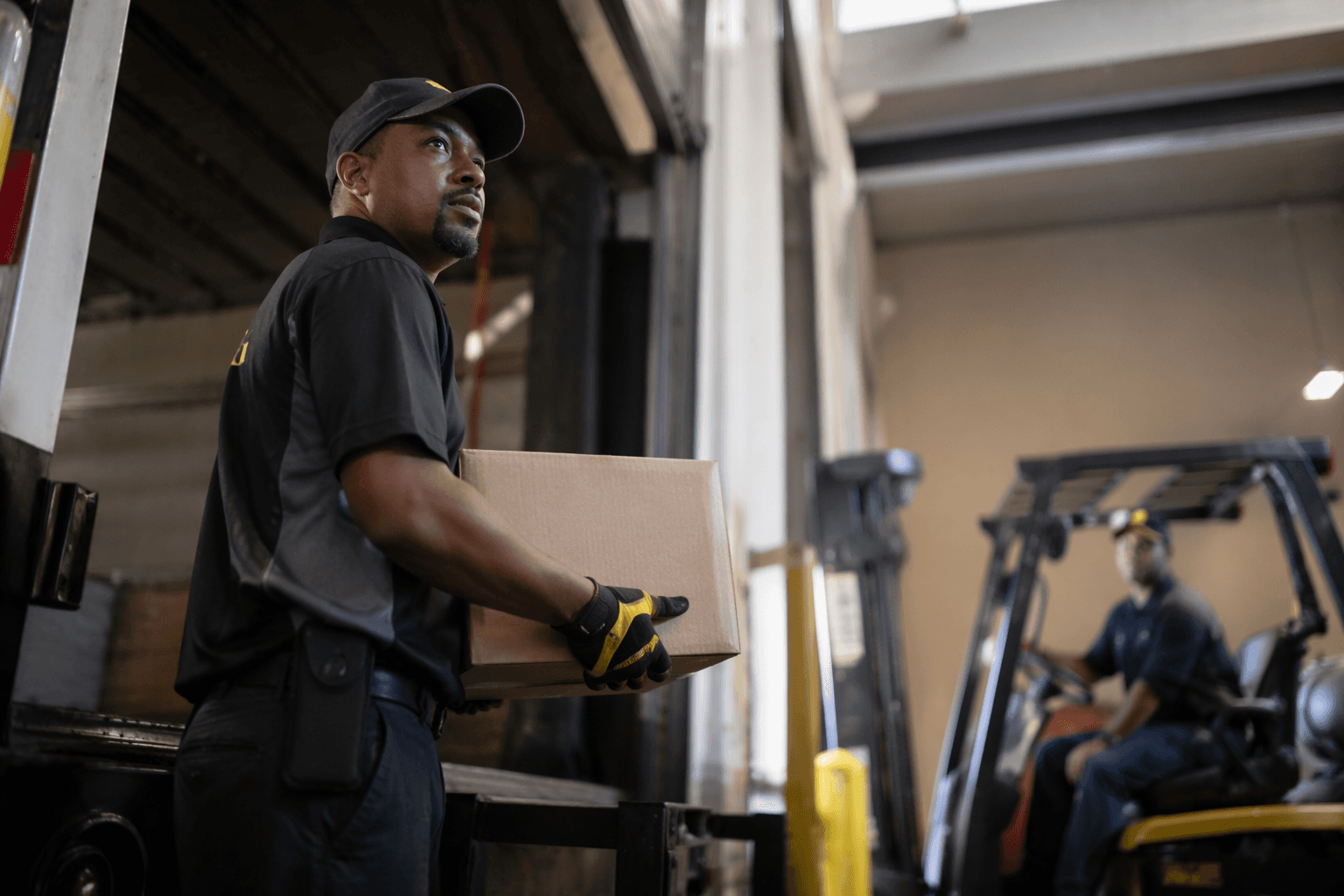
The Safety Supervisor role is the clearest option for employees who want to build a transportation career without hauling freight. Dollar General says the job is responsible for safety training, safety audits, and safety analysis for the dedicated fleet, and it requires knowledge of DOT, FMCSA, and CSA rules and regulations. That is a meaningful pathway for anyone who is interested in compliance, risk control, or training rather than life on the road.
This role matters even more in the context of the company’s safety scrutiny. Dollar General commissioned an independent safety audit after a shareholder proposal at its 2023 annual meeting, and in 2024 the U.S. Department of Labor said the company agreed to enhanced safety measures that included annual unannounced audits, a Safety Operations Center, and an anonymous hotline. For workers, that means safety jobs are not window dressing. They sit inside the company’s real efforts to manage fleet risk and keep the operation compliant.
What the job can pay, and what the lifestyle can cost
The fleet page highlights a $90,000 annual earning potential for drivers, which is the kind of number that will catch the eye of anyone comparing a warehouse or store paycheck with a transportation route. But the tradeoff is obvious: driver work comes with on-time delivery expectations, physical unloading, inspections, and logbook discipline. It is also a lifestyle decision, not just a pay raise.
One small but telling detail is the company’s pet or authorized passenger policy for some drivers. That kind of policy does not change the job’s demands, but it does show that Dollar General understands drivers are making family and home-life calculations when they consider the move. If you are weighing the route, that is the kind of detail that can make the difference between a job that sounds good on paper and one that actually fits your life.
Why the fleet path matters to the business
Dollar General’s fleet strategy is also a supply-chain strategy. The company has said its private fleet was planned to represent half of outbound transportation with 2,000 tractors by the end of fiscal 2023, and the National Private Truck Council said Dollar General estimated about 20% lower associated costs than outside carriers. That helps explain why the company keeps investing in fleet hiring, CDL training, and safety oversight: transportation is part of the cost structure as well as the workforce structure.
For store and warehouse employees, the takeaway is straightforward. The fleet is not just a place to find a truck-driving job. It is a built-in internal pathway that can move a worker from the register, stockroom, or distribution center into a better-paid, more specialized role, or into safety and compliance work if driving is not the goal. In a company as large as Dollar General, those paths matter because getting product to the shelf is still one of the main ways the business serves the communities it reaches.
This article was produced by Prism’s automated news system from verified source data, official records, and press releases, then run through automated quality and moderation checks before publishing. The system is built and supervised by the people who set the standards it runs under. Read our full AI policy.
Know something we missed? Have a correction or additional information?
Submit a Tip