Dollar General employees may qualify for unpaid FMLA leave protections
Many Dollar General workers may qualify for unpaid FMLA leave, but the 12-month, 1,250-hour, and 50-within-75-mile rules decide who actually gets protection.
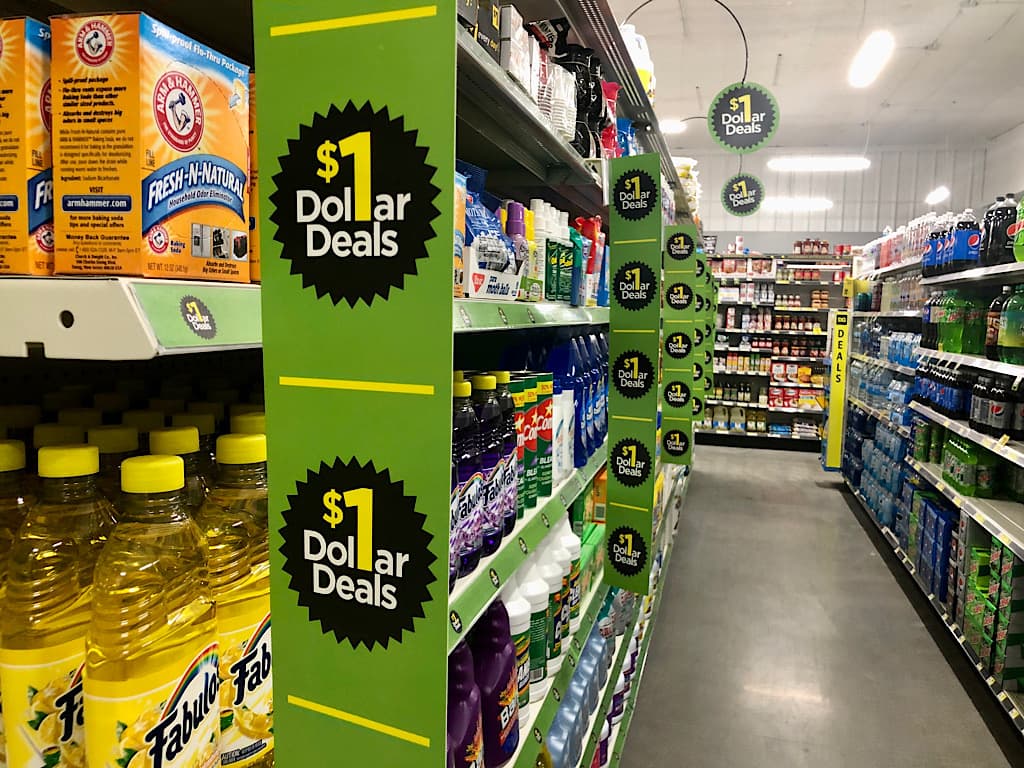
In a typical Dollar General store, a store manager, one or more assistant store managers, and four or more sales associates cover long operating hours. When a child gets sick, a parent needs surgery, or a worker faces a serious medical issue, the Family and Medical Leave Act can determine whether that job is protected or gone.
What FMLA actually gives you
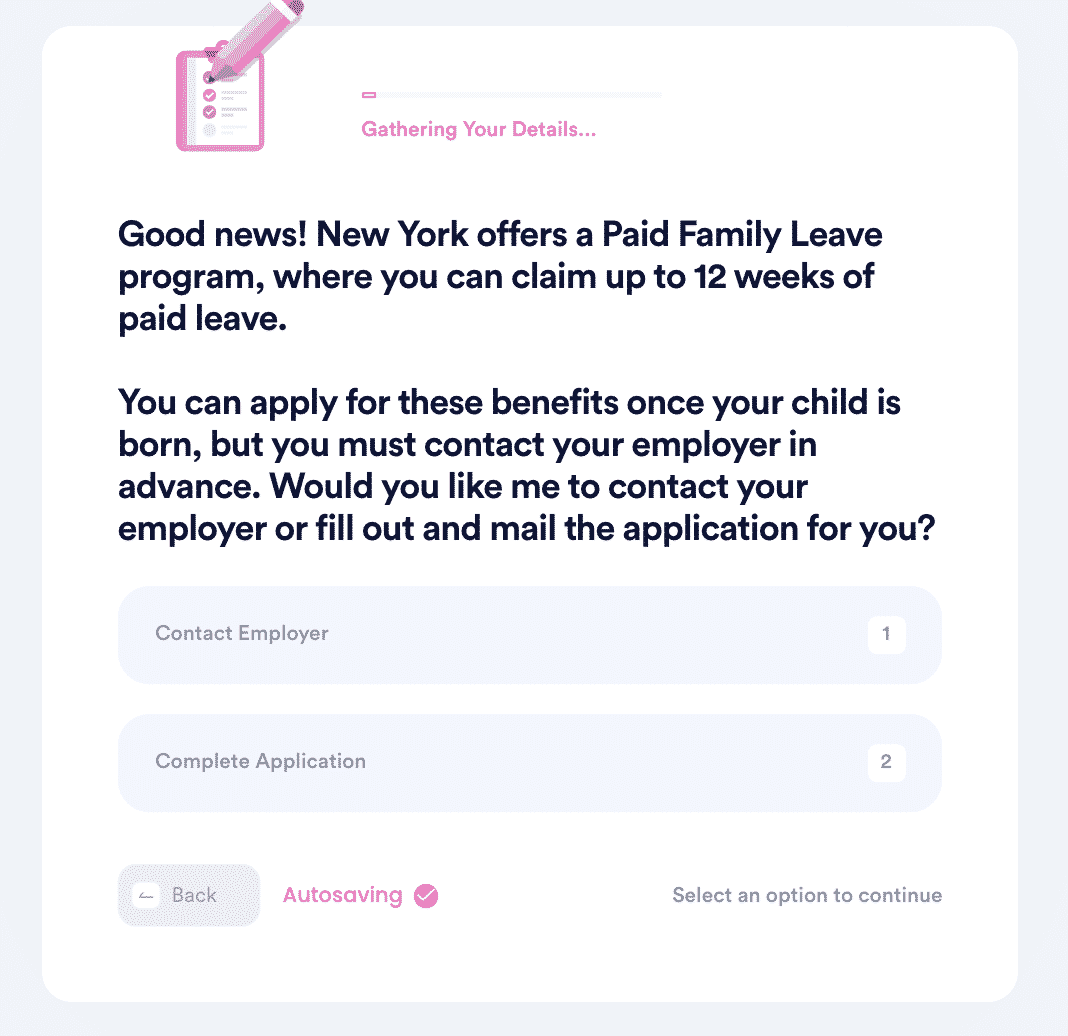
The Family and Medical Leave Act provides eligible employees with up to 12 workweeks of unpaid, job-protected leave in a 12-month period for qualifying family and medical reasons, and it requires employers to maintain group health benefits during that leave. For military caregiver leave, the law allows up to 26 workweeks in a single 12-month period.
That protection is limited to covered employers. Private-sector employers with 50 or more employees, public agencies, and schools fall within the law, but coverage alone does not make every worker eligible. Employees generally must have worked for the employer for at least 12 months, logged at least 1,250 hours during the prior 12 months, and work at a location where the employer has at least 50 employees within 75 miles.
Why Dollar General workers should pay attention
Dollar General is large enough that FMLA can reach a significant share of its workforce. In the company’s fiscal 2024 annual report, Dollar General said it employed approximately 194,200 full-time and part-time workers as of January 31, 2025. Its 2025 annual report says the company is headquartered in Goodlettsville, Tennessee.
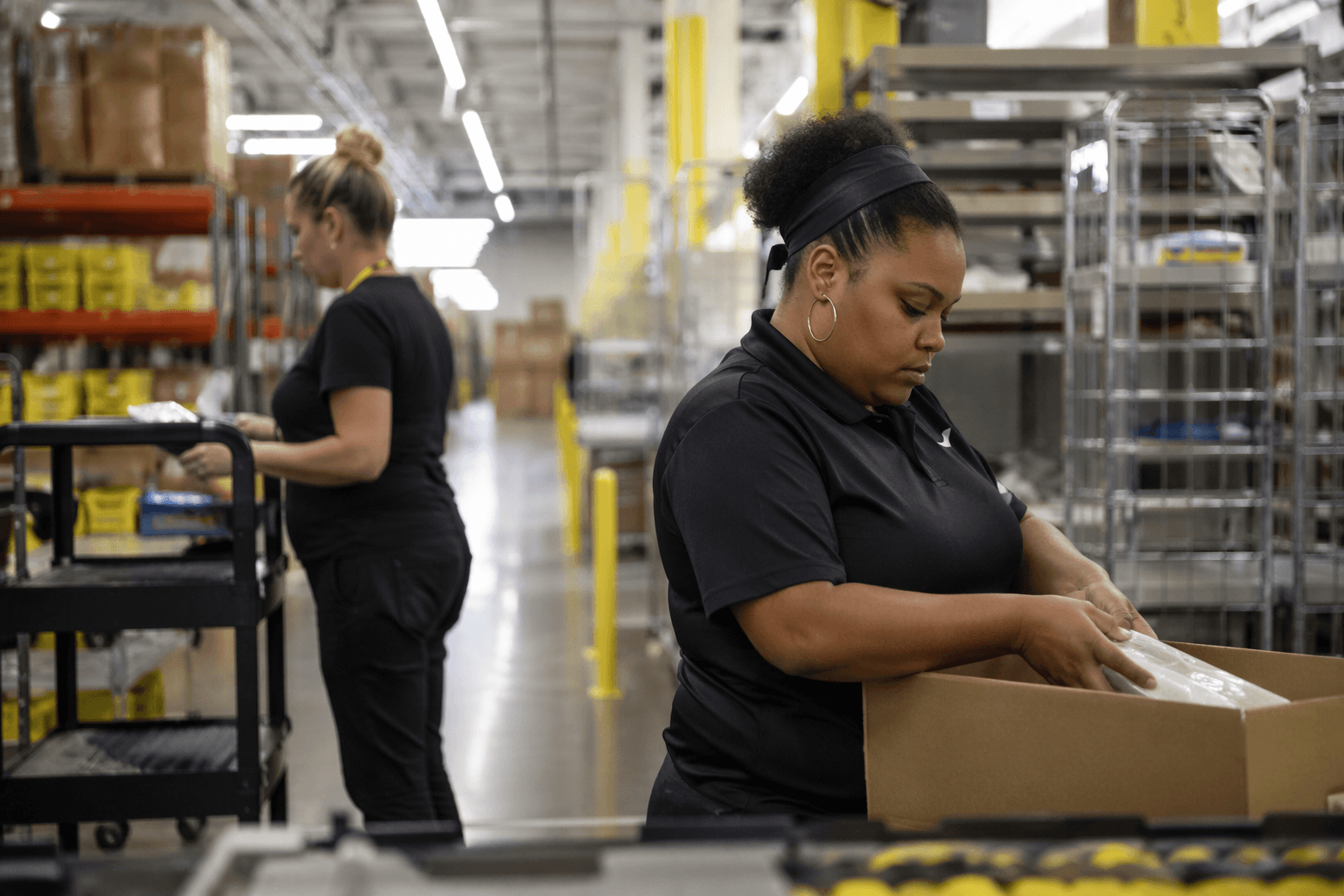
In a store where a small crew covers freight, register duty, recovery, and customer service across long operating hours, one absence can fall heavily on everyone else. For workers, that can make a legally protected leave request feel like a test of loyalty instead of a rights process, especially when the schedule is already thin.
Common leave situations in retail
A newborn, adoption, or foster placement can require weeks away from work. A worker may need time for their own serious health condition, or to care for a spouse, child, or parent with a serious condition.
Intermittent leave can cover repeated doctor visits, flare-ups of a chronic condition, or recovery days after treatment. For a retail employee with an unpredictable schedule, that flexibility can be the difference between keeping a job and being pushed out by attendance points or missed shifts.
The threshold that trips up many workers
The biggest misunderstandings usually come from eligibility. Workers often assume that a year on the schedule is enough, but the law also requires 1,250 hours of service in the prior 12 months. Someone who has been employed for more than a year but has not reached that hours mark may still fall outside the statute.
The 50-within-75-miles rule matters too, and it can be easy to miss in a sprawling retail chain. A worker may be on the payroll of a major company and still not be eligible if the local headcount falls short when the law counts employees within a 75-mile radius.
What the law says when leave turns into conflict
Dollar General has already been through significant leave-related litigation. In Bryant v. Dollar General Corp., the U.S. Court of Appeals for the Sixth Circuit upheld a jury verdict for Martha Bryant and held that both the FMLA and its implementing regulations prohibit retaliation against employees who exercised FMLA leave.
In Garrison v. Dolgencorp, LLC, the U.S. Court of Appeals for the Eighth Circuit discussed a Dollar General employee’s denied leave request and allowed her ADA reasonable-accommodation claim to proceed while rejecting her FMLA retaliation claim.
How employees should handle a leave request
The safest move is to treat FMLA as a formal process from the first conversation. Tell the employer that the need for leave may involve a serious health condition or a qualifying family situation, then ask for the paperwork that starts the leave review. Keep records of dates, doctor notes, and every message tied to the request.
The Department of Labor provides an employee guide and complaint resources for workers who think their rights may have been violated. If a manager says no without checking eligibility, or if leave is counted as an attendance problem, that should not end the conversation.
- Ask whether the request is being reviewed under FMLA, not just local scheduling rules.
- Save copies of forms, emails, texts, and doctor certifications.
- If the employer delays or denies leave, use the Department of Labor’s complaint tools.
- Keep in mind that health benefits are supposed to continue during approved leave.
Why this can be harder in a Dollar General store
Dollar General’s size means many workers can qualify for FMLA, but the company’s store structure can make taking leave uncomfortable in ways the law does not solve. A store with a small management team and only a handful of sales associates can feel the impact of one absence immediately. That pressure can lead workers to delay medical care, shorten leave, or return before they are ready because they do not want to leave the remaining crew short.
The wider labor backdrop at Dollar General also shapes how workers read leave rights. In 2024, the U.S. Department of Labor announced a $12 million safety settlement with Dollar General and its subsidiaries, and OSHA inspections at the company often turn up blocked aisles, blocked emergency exits, blocked fire extinguishers, blocked electrical panels, and unsafe stacking of boxes.
Dollar General has also faced another workplace-rights dispute tied to hiring. The Equal Employment Opportunity Commission said the company agreed to pay $1 million to settle a lawsuit over its hiring process at a distribution center in Bessemer, Alabama, involving a class of 498 applicants who were required to disclose family medical history.
This article was produced by Prism’s automated news system from verified source data, official records, and press releases, then run through automated quality and moderation checks before publishing. The system is built and supervised by the people who set the standards it runs under. Read our full AI policy.
Know something we missed? Have a correction or additional information?
Submit a Tip