Dollar General expands fuel stations, offering cheaper gas to drive store traffic
Dollar General’s fuel pilot offers up to 40 cents off a gallon at about 40 stores, a potential commute break for workers near the pumps.
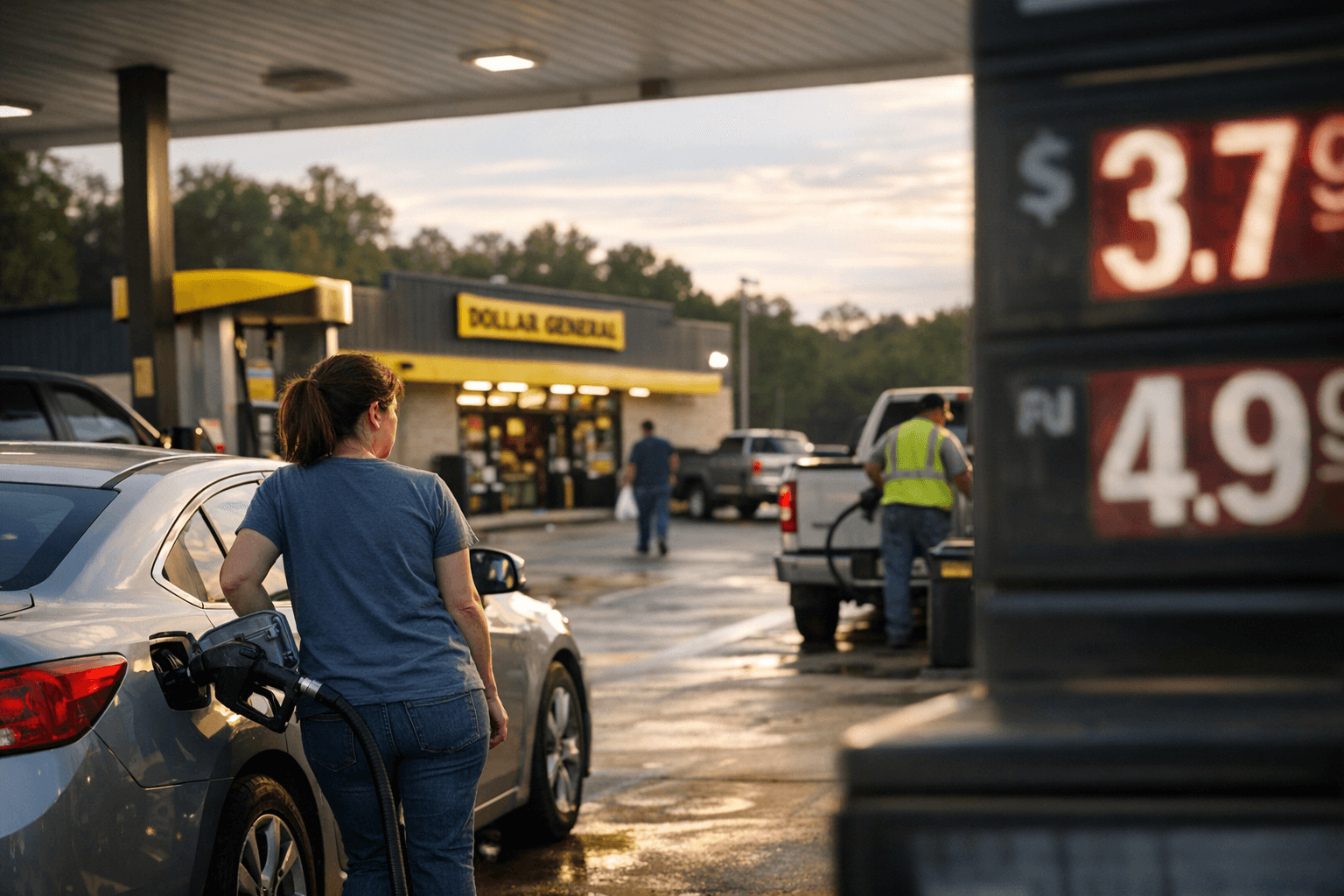
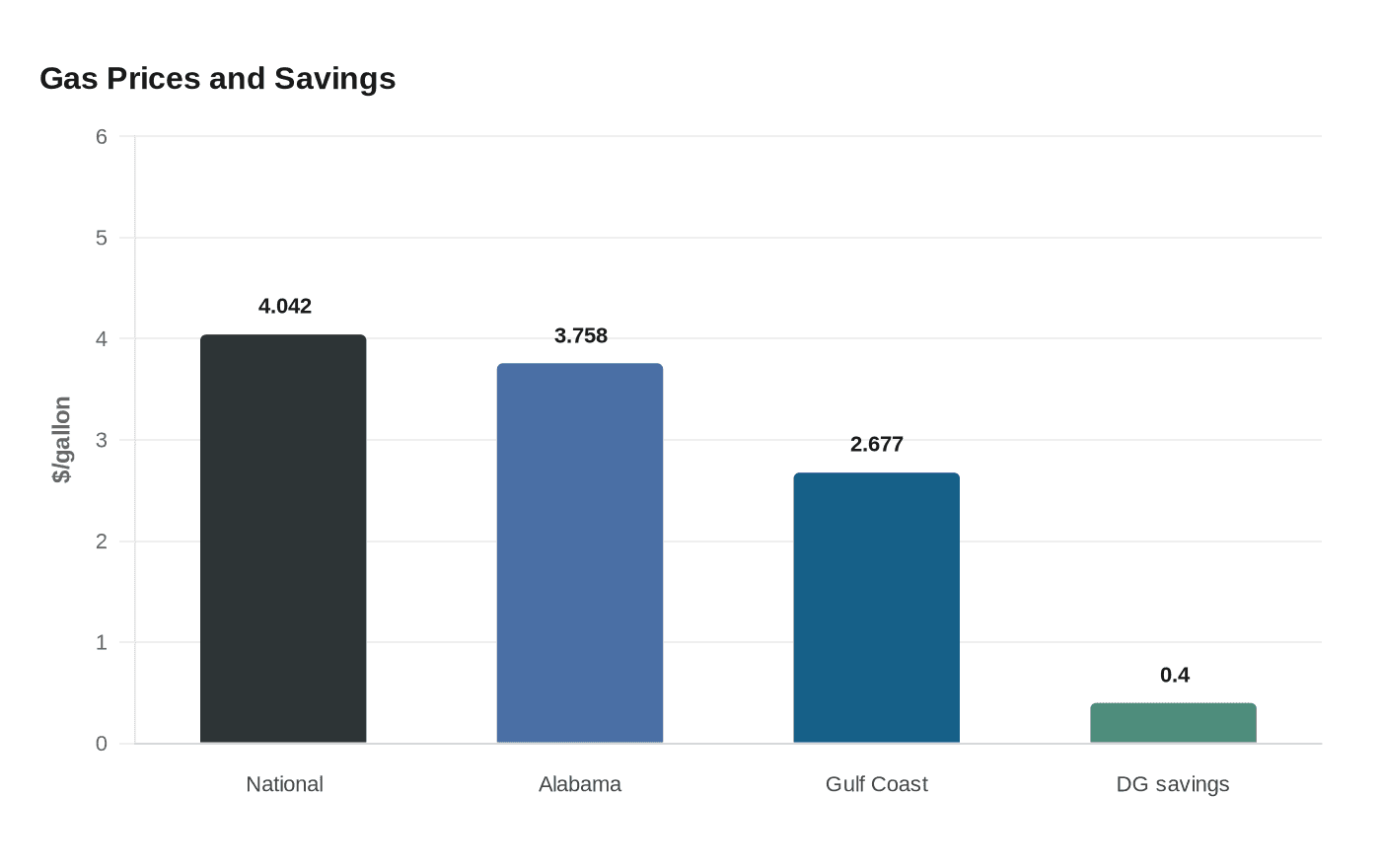
Dollar General’s fuel pilot is now offering gas up to 40 cents cheaper per gallon on average at about 40 stores, mostly in the South, which gives the chain a new way to pull traffic in while drivers still face high fuel costs. With AAA putting the national regular-gas average at $4.042 a gallon on April 20, 2026, and Alabama at $3.758, the savings can add up for employees and customers who pass one of the pilot sites on the way to work.
The move began much smaller. Dollar General opened its first fuel station in October 2013 at the Dollar General Market in Hanceville, Alabama, in partnership with Mansfield Oil. At the time, Rick Dreiling said Dollar General “continues to innovate to provide convenience and value for our customers,” and the company said it would evaluate the pilot over the next year and weigh expansion opportunities. More than a decade later, the fuel program has grown, but only gradually, reaching more than 40 sites by mid-2025.
That slow pace fits the economics of the South. The U.S. Energy Information Administration says gasoline prices vary by taxes, supply disruptions, retail competition and operating costs. In 2025, the Gulf Coast region posted an annual average regular-gas price of $2.677 a gallon, one of the lowest regional averages in the country. For a discount retailer built on rural and small-town convenience, that makes fuel a logical test market, especially in Alabama and neighboring states where price-sensitive drivers can be swayed by a cheaper pump.
Dollar General’s scale helps explain why even a modest fuel program matters. The company says it operates more than 18,000 stores in 46 states on its store-directory pages, while its FY2022 ESG report says it has more than 19,000 stores in 47 states. That footprint gives Dollar General thousands of chances to capture a fill-up, then convert it into a basket of snacks, drinks and household items.
For store crews, the bigger question is what the pumps change on the ground. Fuel stations are not just a sign out front; they can bring more cars into the lot, more reasons for shoppers to stop, and more pressure on already busy teams to keep the site moving safely and cleanly. In a business where traffic and labor are always tightly linked, Dollar General is betting that cheaper gas will do more than sell fuel. It will push more customers through the front door and make the store itself harder to ignore.
This article was produced by Prism’s automated news system from verified source data, official records, and press releases, then run through automated quality and moderation checks before publishing. The system is built and supervised by the people who set the standards it runs under. Read our full AI policy.
Did this article answer your question?