Dollar General’s fast store buildouts contrast with NYC grocery delays
New York’s first city-owned grocery may take years, but Dollar General keeps building 9,000-square-foot stores fast, a pace that can squeeze hiring and opening-week crews.
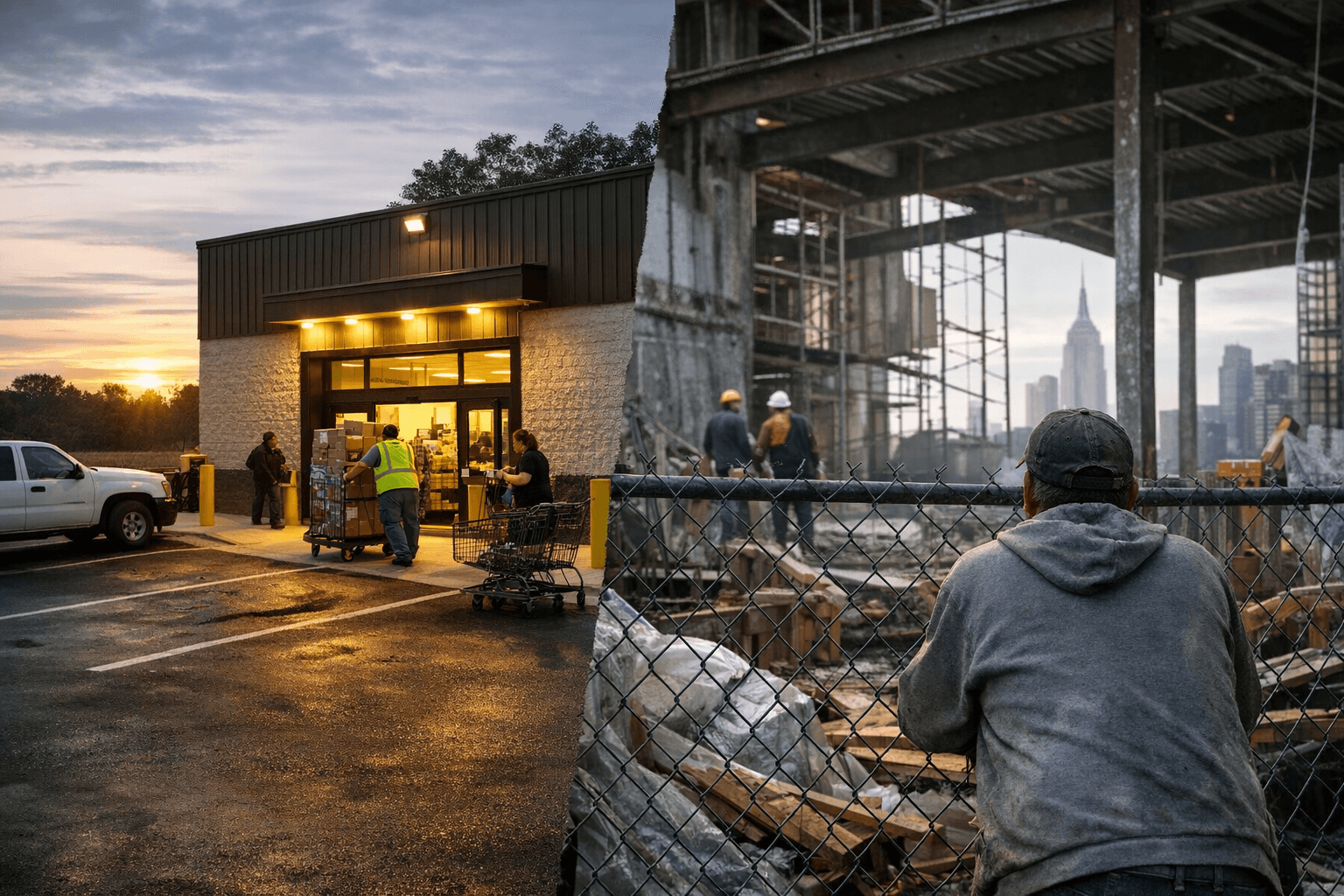
New York City’s first municipal grocery is still years away, but Dollar General has built a model around the same compact store size and a far faster clock. The city said La Marqueta in East Harlem will be the first site in its grocery program, a 9,000-square-foot store expected by 2029, even as the first city-owned grocery is now projected for late 2027 and all five planned sites are supposed to open before the end of Mayor Zohran Mamdani’s first term.
That contrast says a lot about who can move fast and who cannot. New York put $70 million behind the five-store plan because grocery prices in the city have risen nearly 66% over the past decade. Dollar General, by contrast, has turned speed into a core operating skill. Its preferred-developer program uses about 9,000-square-foot stand-alone stores on about 1-acre lots, and one longtime architect partner says the chain requires “extremely aggressive design and construction schedules” to cut time-to-market.
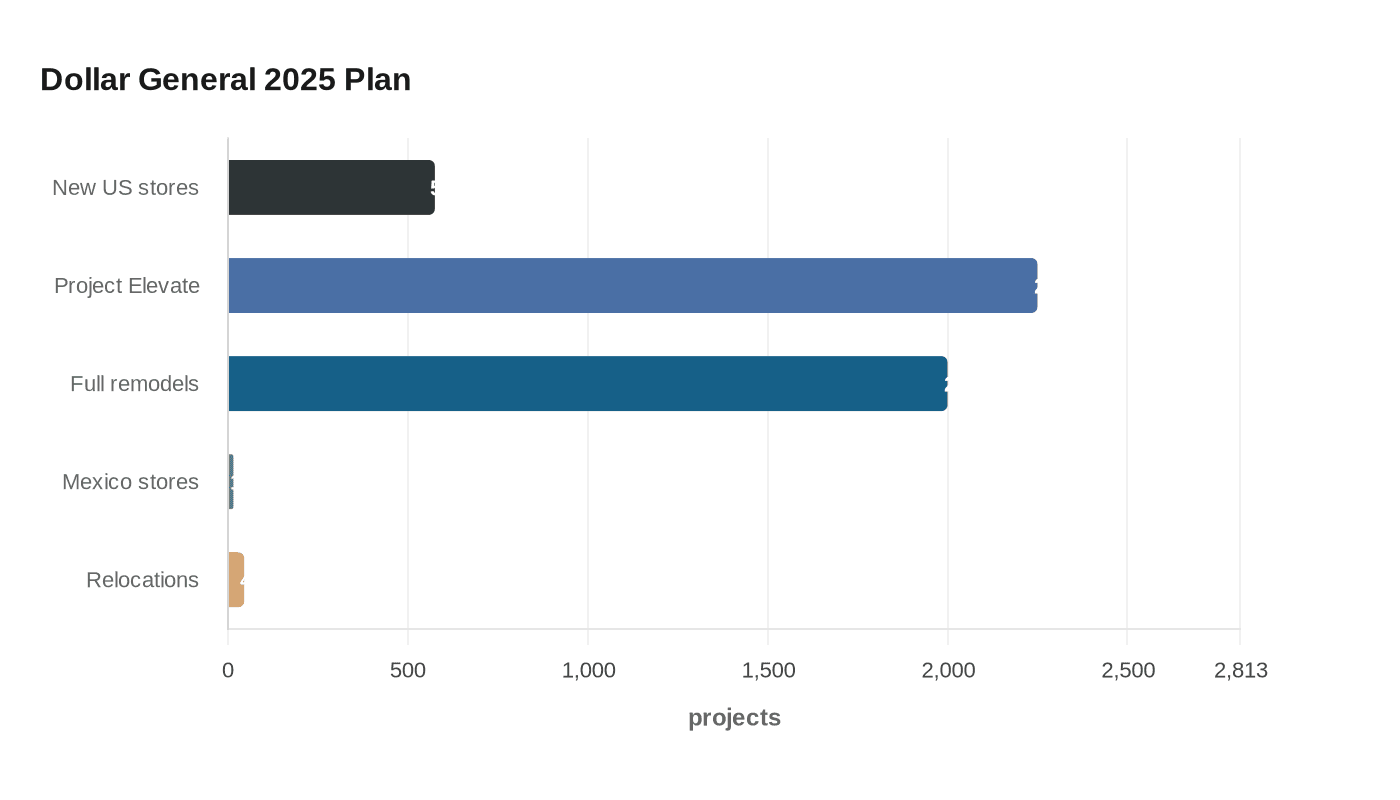
For workers, the real story is not just how quickly a building rises. It is what a compressed opening schedule does to hiring, training and the first weeks on the sales floor. Dollar General said its 2025 real-estate plan included about 4,885 projects, including 575 new U.S. stores, up to 15 in Mexico, about 2,000 full remodels, about 2,250 Project Elevate remodels and roughly 45 relocations. In March 2026, the company said it planned to open about 450 new U.S. stores in fiscal 2026 and remodel about 4,250 locations, pushing a chain that already reached its 20,000th store in February 2024 and now sits near 21,000.
That kind of growth works because the economics are built for quick payback. Retail analysts have said dollar stores serve small catchments, which makes heavy expansion easier from a capital standpoint. Dollar General executives have also said the cost to build new stores has risen more than 40% since 2019, with new formats averaging about $500,000 to open including capex and inventory, while still targeting average returns of about 17%. In practice, that means the pressure does not disappear, it shifts onto lean store teams expected to get a new box open, stocked and running almost immediately.
That pressure is familiar in a chain that has faced consumer complaints about store conditions and workplace safety fines even as it keeps expanding. The New York grocery plan is a public-policy experiment aimed at affordability. Dollar General’s rollout is a mature private model built on speed. For employees, the lesson is blunt: fast buildouts can create openings, but they can also compress training and load more work onto the people who show up for day one.
This article was produced by Prism’s automated news system from verified source data, official records, and press releases, then run through automated quality and moderation checks before publishing. The system is built and supervised by the people who set the standards it runs under. Read our full AI policy.
Did this article answer your question?