Dollar General faces cautious shoppers as retail growth shows strain
Cautious shoppers can still keep Dollar General busy, but workers should watch for smaller baskets, tighter schedules and tougher sales pressure if demand softens.

The consumer is still spending, but more narrowly
Dollar General’s next pressure point may not be a sudden drop in foot traffic. It may be a quieter shift: shoppers still coming in, but with tighter lists, fewer extras and less patience for stores that miss on price, stock or speed. Coresight’s May 22 retail outlook says U.S. sales growth is still holding up for now, yet it warns that fragile sentiment and energy-market disruptions could cool demand into late 2026 and early 2027.
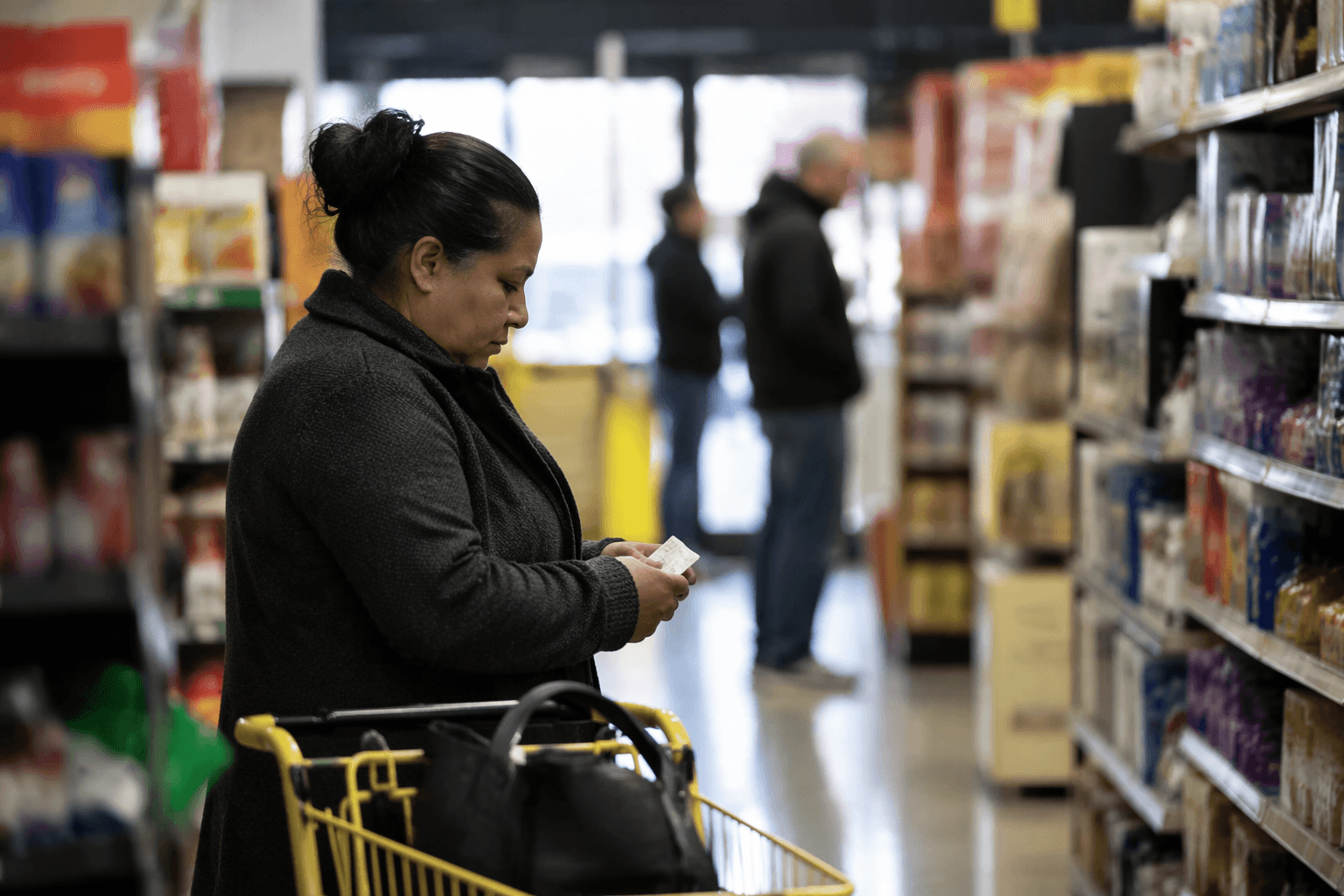
That matters on the sales floor because Coresight points to the exact behaviors that shape store performance: discretionary spending, trip frequency and the prioritization of essentials. The report also says current demand may be getting temporary support from tax refunds and lagged effects, even as inflation, slowing income growth, weaker sentiment and higher fuel costs keep pressuring household budgets. For Dollar General teams, that is the kind of warning that shows up first in the basket, then in the schedule, then in the labor plan.
Why Dollar General is more exposed than a typical retailer
Dollar General’s own annual report explains why a cautious consumer hits this chain differently. Many of its shoppers have fixed or low incomes and limited discretionary dollars, which means any squeeze on disposable income can push them toward cheaper necessities or less spending overall. The company also says customer visits range from fill-in shopping to weekly or more frequent trips for essentials, so changes in trip frequency can quickly change how a store runs.
That is why a store can look busy without truly being healthy. If customers are buying only basics, the register may still ring, but the average basket can shrink and the mix can get less profitable. In a discount format, the first thing to watch is not just whether traffic is up or down, but whether shoppers are still finding the core consumables they came for and leaving with enough in the cart to justify the labor hours being scheduled.
The first store-level signals to watch
When growth starts to strain, the warning signs often show up long before corporate commentary changes. Associates and district managers should watch for smaller baskets, more price-check questions, and customers abandoning discretionary items at the register. If that happens alongside tighter scheduling, the strain can spread fast because fewer people are expected to handle the same amount of freight, recovery, service and checkout work.
The most practical early signals are easy to spot:
- schedules that lose overlap and leave one person covering too much of the floor
- more pressure to keep consumables full while labor hours stay flat or fall
- louder emphasis on attachment sales, conversion or transaction size
- more complaints about out-of-stocks on basics, which can send shoppers elsewhere
- a faster push to make stores look cleaner, easier to shop and more “value-right” without adding payroll
For workers, that means the risk is not only weaker sales. It is also a harder day-to-day job, because leaner traffic can lead managers to cut hours while still expecting the same recovery, the same speed and the same customer service.
The latest numbers show resilience, but not invulnerability
Dollar General’s fiscal 2025 results show why executives still have room to argue that the model is working. In the fourth quarter, net sales rose 5.9% to $10.9 billion, same-store sales increased 4.3%, customer traffic rose 2.6% and average transaction amount rose 1.7%. For the full year, net sales climbed 5.2% to $42.7 billion, same-store sales rose 3.0% and operating profit increased 28.6% to $2.2 billion.
Those figures show a retailer still benefiting from value-driven demand, especially in consumables. But they also underline the tension inside the business: traffic growth was solid, yet the average transaction only rose 1.7% in the fourth quarter, which suggests the customer remains cautious even when the store is busy. In other words, the chain can post good sales while shoppers keep trimming nonessentials, and that is exactly the pattern that can make labor planning harder later.
The broader mood is getting worse, not better
The consumer backdrop is adding pressure. The University of Michigan’s final May 2026 consumer sentiment reading fell to 44.8 from a preliminary 48.2, and long-run inflation expectations rose to 3.9% from 3.5% in April. That combination matters because low sentiment usually does not stay locked in the macro data; it eventually shows up in how often people shop, what they skip and how hard they push for value.
Gas prices are part of the same story. Reuters reported in March 2026 that 55% of respondents said rising gasoline prices had hit household finances at least somewhat, which helps explain why shoppers may keep visiting Dollar General but remain highly selective once they walk through the door. In a rural and suburban discount chain, higher fuel costs can reduce trip frequency, increase reliance on one-stop missions and make every item on the shelf compete harder for a place in the basket.
What the leadership change says about the road ahead
Dollar General’s management knows the next stretch is likely to be more demanding. On March 24, 2026, the company named Jerry “JJ” Fleeman Jr. as its next CEO, effective January 1, 2027, replacing Todd Vasos. Reuters said Fleeman was brought in after several quarters of muted sales, which suggests the board is preparing for a period when execution and value perception will matter just as much as headline growth.
That handoff should matter to employees because leadership changes often coincide with tougher operating discipline. If sales growth cools, stores are usually asked to do more with less: tighter labor, sharper pricing execution, cleaner shelves, fewer misses on essentials and more pressure to convert every visit into a bigger basket. For teams already stretched thin, especially in stores where one associate can end up covering too much at once, that is where the real strain begins.
What this means on the floor
The store-level lesson is simple: watch the customer before the spreadsheet does. If shoppers start buying only necessities, skipping discretionary items and coming in less often, the first corporate response is usually not visible in a press release. It shows up in labor hours, schedule changes, more aggressive sales targets and a sharper expectation that every store will defend its value promise with fewer people on the clock.
Dollar General has been able to grow because it serves households that are already budget constrained. But if sentiment stays weak, fuel stays expensive and income growth keeps lagging, the chain will need more than traffic to keep performance intact. Workers should be alert for the point where a busy store no longer means a healthy one, because that is usually when the pressure on the floor starts to rise.
This article was produced by Prism’s automated news system from verified source data, official records, and press releases, then run through automated quality and moderation checks before publishing. The system is built and supervised by the people who set the standards it runs under. Read our full AI policy.
Did this article answer your question?