Dollar General managers get a guide to contractor compliance tools
Dollar General managers who oversee vendors can use ISNetworld basics to screen contractors, reduce store disruption and avoid repeat safety problems tied to blocked exits.
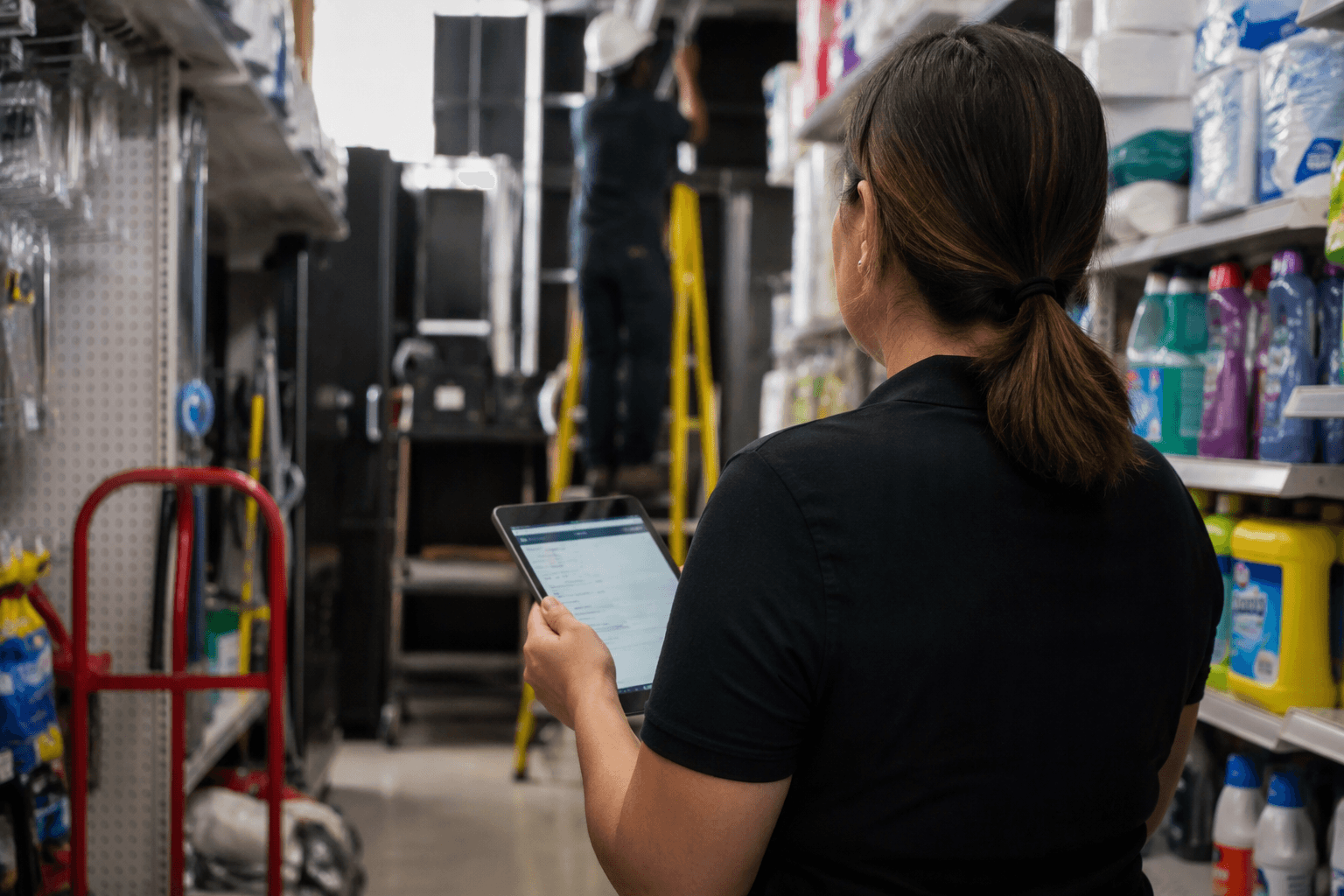
Dollar General stores depend on outside crews for HVAC repairs, signage, remodeling, equipment installation and other work that can spill directly into customer space. When that happens, district managers and store leaders need more than a schedule, they need to know whether the vendor has cleared the compliance system that controls who is allowed on site and what documents must be on file.
Why ISNetworld shows up in retail work
ISNetworld’s reach is large enough to matter to a retailer that hires vendors across hundreds or thousands of locations. ISN says 900 of the world’s leading hiring clients use the platform, and another ISN page says the network connects 850 hiring clients and 85,000 active contractors and suppliers around the world. That scale helps explain why a local HVAC or remodel crew working at a Dollar General may already be inside the system before anyone in the store hears about the job.
For Dollar General employees, the practical issue is not the software itself. It is what the software controls: whether a contractor has been approved, whether documents are current, and whether the job can start without creating hazards in aisles, entrances or the backroom. When a work order touches the sales floor, the compliance file becomes part of the store’s safety plan.
What the contractor paperwork usually covers
A 2026 guide from Evolution Safety Resources focuses on ISNetworld account setup. In ISN’s contractor prequalification materials, the platform is used to collect, review and monitor contractor and supplier health, safety, sustainability, financial and procurement information. In plain terms, that means the hiring client is not just checking a license number, it is checking whether the vendor meets the company’s rules before the crew starts working.
The common submission package often includes:
- proof of insurance
- incident history
- safety program templates
- training logs
- equipment inspection forms
- RAVS reviews
- other company, safety and related information in a structured platform
Those items are commonly managed end to end, including insurance documentation, RAVS reviews and ongoing maintenance. For a Dollar General manager, that translates into a simple question: if a crew shows up for a repair or remodel, who has already checked the file, and who is responsible if a document is expired?
The store-level questions that matter
The jargon can get in the way, but the questions are basic. Has the vendor been approved? Are they current on required documents? Who checks credentials before work starts? If the work happens during store hours, how are employees told about blocked aisles, ladder use or power-tool work?
Those details matter because a short project can disrupt customer traffic and employee movement long before it becomes a major remodel. A fixture replacement or HVAC repair can block the front end, shrink backroom access or force associates to route freight around a work zone. If communication is weak, the people most likely to absorb the confusion are the ones already running the store with limited labor and too many competing tasks.
Why Dollar General’s safety history makes this more than paperwork
The compliance side also has to be read against Dollar General’s safety record. On July 11, 2024, the U.S. Department of Labor announced a corporate-wide settlement with Dollar General that covered thousands of retail stores nationwide. The agreement required the company to correct future violations involving blocked exits, fire extinguishers and electrical panels or face fines of up to $500,000 per violation.
Those are exactly the kinds of hazards that can show up when a vendor is moving equipment, setting a ladder, staging materials or shutting down part of a store. If a contractor is working in a tight Dollar General footprint, the line between a managed project and an OSHA problem can be thin. The settlement makes work-zone controls, exit access and electrical clearance nonnegotiable.
Dollar General referenced store safety and safety-policy concerns in a 2024 audit report commissioned after a 2023 shareholder proposal.
Where Dollar General’s own vendor systems fit
Dollar General already has vendor-facing materials that set formal supplier expectations. Its DG Partners domestic vendor materials include a Domestic Vendor Guide and a Quick Start Overview for supplier expectations. The company’s broader supplier-network pages make clear that its operations depend on outside vendors and sourcing platforms.
For store teams, that means a remodel, a maintenance visit or a fixture install may arrive with a paper trail that starts well before the truck backs into the lot. The vendor side may be handling ISNetworld, the DG Partners materials or some other compliance workflow, but the store still feels the result in blocked entrances, backroom access issues and slower movement through the building. A manager who understands the contractor system can ask the right questions before the work starts instead of sorting it out after a pallet jack, a ladder and a customer all hit the same narrow aisle.
This article was produced by Prism’s automated news system from verified source data, official records, and press releases, then run through automated quality and moderation checks before publishing. The system is built and supervised by the people who set the standards it runs under. Read our full AI policy.
Did this article answer your question?