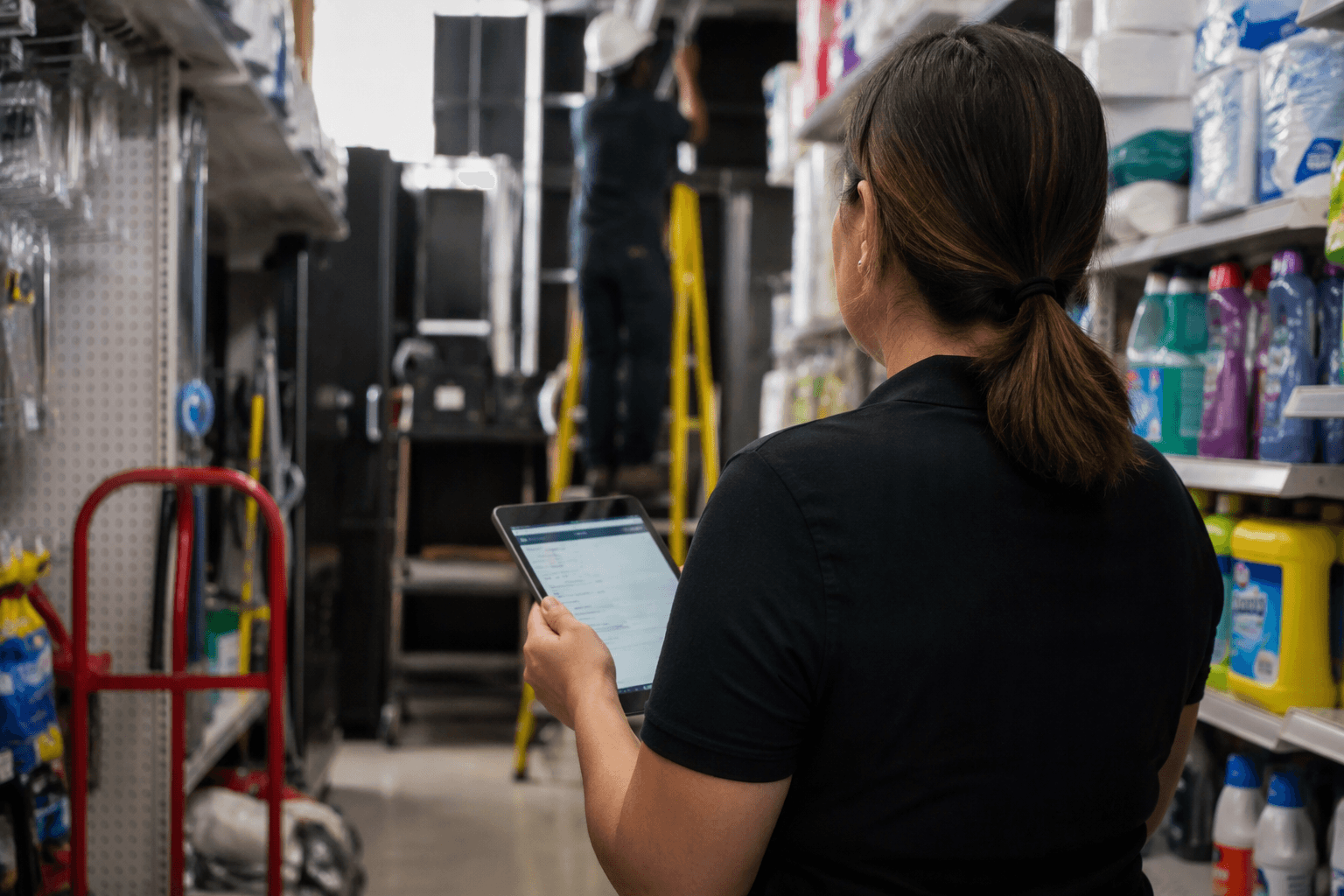
Pennsylvania Dollar General workers get workers’ comp guide after injuries
A stockroom strain or slip at Dollar General can trigger Pennsylvania workers’ comp, but the first report and doctor visit can shape the whole claim.
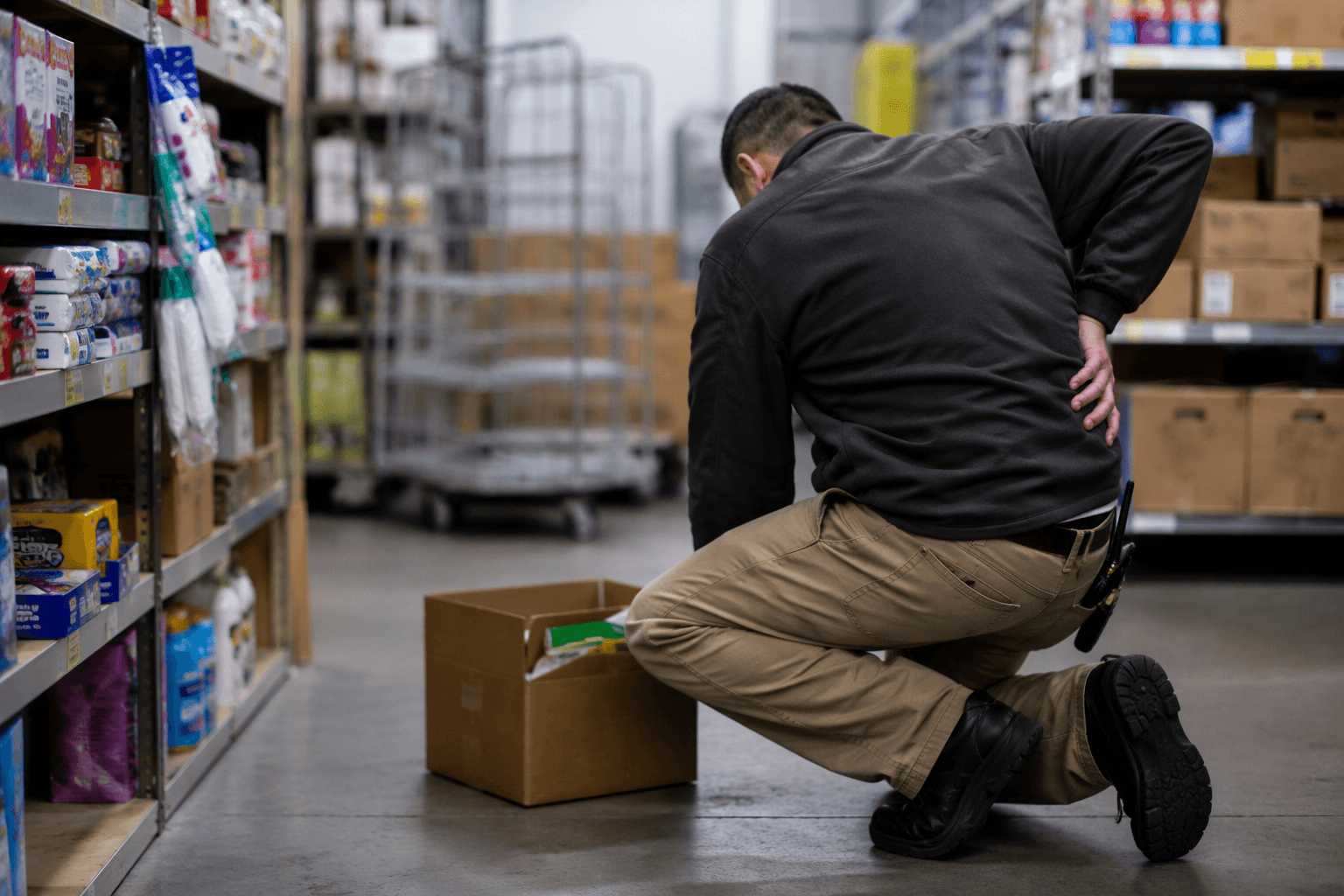
A back strain from stocking, a shoulder injury from reaching overhead or a fall in the stockroom can all trigger Pennsylvania workers’ compensation at Dollar General. The key is to move fast: the system is built to cover medical care and wage replacement after a job-related injury, but late reporting and missing paperwork can shrink or delay benefits.
What workers’ comp covers after a Dollar General injury
Pennsylvania workers’ compensation is not a one-size-fits-all payment. The amount depends on the worker’s average weekly wage, the type of injury, the medical treatment needed and whether the employee can return to work quickly or needs a longer recovery period. For a Dollar General associate, the same system that helps after a slip-and-fall also applies to repetitive-strain injuries, lifting injuries and other routine retail injuries that can linger.
The wage-loss piece is tied to the state’s annual benchmark. The Pennsylvania Statewide Average Weekly Wage is $1,394 for injuries sustained on or after Jan. 1, 2026. Pennsylvania workers’ compensation benefits are calculated using that statewide average weekly wage, and the year of injury controls which rates apply. In plain terms, the date you got hurt can affect how much wage replacement you receive.
The Pennsylvania Department of Labor and Industry keeps a Statewide Average Weekly Wage page and published 2026 workers’ compensation materials, including fee schedule updates. The state uses those annual numbers to set the ceiling for benefits. The maximum benefit rate is the highest weekly amount an injured worker may receive for total disability benefits under Pennsylvania law.

The first days after the injury matter most
If you get hurt in a Dollar General store, the first move is to report it quickly and document everything. Pennsylvania’s 120-day notice rule makes prompt reporting critical. Waiting can turn a manageable claim into a dispute over whether the injury really happened at work.
The practical sequence is simple:
1. Tell a supervisor or manager right away and make sure the injury is entered into the store’s process.
2. Get medical attention and keep records of every visit, prescription and work restriction.
3. Save the details of how the injury happened, including the aisle, stockroom area or equipment involved.
4. Ask for the paperwork tied to the claim, including the employer information forms the state uses, such as LIBC-200 resources and 21-day compliance guidance.
That paperwork matters because workers often wait too long to report injuries. Many try to tough it out after a back pull, a shoulder strain or a bad slip because they think the pain will go away or do not want to create trouble. In retail, that hesitation can cost benefits, especially when the claim later depends on whether the incident was documented early and clearly.
Why this comes up so often in retail stores
Retail work carries predictable injury risks. Strains and falls are the most common occupational risks in retail. Lifting, pushing, pulling, reaching, repetitive motion and use of tools or machinery can contribute to strain injuries. In 2016, 3.3 percent of full-time retail workers experienced a workplace illness or injury.
That risk profile fits the kind of work associates do every day. Freight needs to be moved, shelves need to be stocked and customers need help even when staffing is thin. When a shift runs short, a single associate can end up doing more lifting, more bending and more moving than the job description suggests, which makes prompt reporting even more important if pain starts after the shift.

Dollar General’s Pennsylvania safety record gives that risk real-world weight. In July 2022, the U.S. Department of Labor cited a Dollar General store in Greencastle after it again exposed workers to safety hazards despite earlier 2021 citations and penalties. In April 2023, the department cited Dollar General for willfully exposing workers to fire hazards at a central Pennsylvania store.
A June 13, 2025 Pennsylvania court filing highlighted a Dollar General slip-and-fall case.
What to protect in the claim file
Once the injury is reported, the goal is to keep the claim clean and consistent. Save copies of incident reports, medical notes and any instructions about light duty or time off. If your pain changes after the first visit, document that too, because workers’ comp decisions often turn on whether the injury timeline makes sense from the first report through the follow-up appointment.

Keep your own timeline of the injury in plain language. Note the date, the shift, the task you were doing, the part of the store involved and who you told. If the injury came from a stockroom fall, a lifting incident or a slip near a cooler or wet floor, those details can matter when the insurer reviews whether the injury was work-related and how long recovery should take.
Why managers should care too
Faster reporting makes it easier to coordinate medical care, temporary duty and staffing changes after an injury, especially in stores that are already stretched thin. Pennsylvania’s employer information forms and 21-day compliance guidance are part of that process, and the state’s 2026 fee schedule updates show the system keeps moving even when store-level operations are busy.
This article was produced by Prism’s automated news system from verified source data, official records, and press releases, then run through automated quality and moderation checks before publishing. The system is built and supervised by the people who set the standards it runs under. Read our full AI policy.
Did this article answer your question?