Dollar General store locator shapes customer expectations and store traffic
Dollar General's store locator looks minor, but bad hours or addresses can send shoppers to the wrong door and leave store teams handling the fallout.
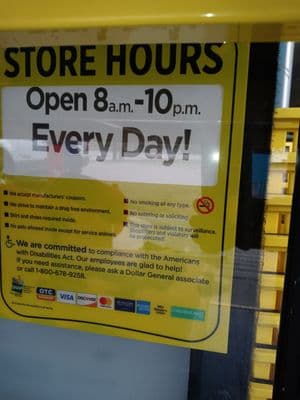
Dollar General’s store locator points shoppers toward a network that the company said in its 2025 Corporate Social Responsibility and Sustainability Report included more than 20,800 stores across 48 U.S. states and five cities in Mexico during 2025. Shoppers select a region, then use directory pages organized by state and city to find nearby stores. If the hours, address, or services on that page are out of date, the store team is the one that hears about it when customers show up late, drive to the wrong location, or call in frustrated.
Why the locator matters before a customer ever walks in
The locator is part of the public face of the brand, not just a convenience feature tucked away on a website. A shopper who searches for a Dollar General location may see a map, coupon banners, or recently searched items, and that shapes the expectation that the trip should be fast, local, and easy. When the page gives the wrong impression, store associates often become the cleanup crew for a digital mistake they did not make.
Store-level work at Dollar General is already tight. In a lot of stores, one associate may be juggling the register, phone calls, freight, and customer questions at the same time, so a bad locator entry adds another interruption to an already full shift. A wrong address or stale service listing does not stay online for long once a customer is standing at the counter asking why the store is closed or why a service is unavailable.
What goes wrong when store data drifts
The biggest problem with an inaccurate locator is the steady stream of avoidable complaints that lands on the floor. Wrong hours create angry customers who arrive after close. Wrong addresses send people to the wrong strip center or the wrong road. Outdated service details can create mismatched expectations about what the store can actually do.
For district managers, store data is an operations issue, not a web-team side project. When a location changes hours, goes through a remodel, or adjusts local service patterns, the public listing needs to catch up quickly or the store absorbs the friction. Clean, current information helps reduce unnecessary calls, cut down on customer confusion, and keep visits aligned with what the store can realistically deliver.
Why rural markets make accuracy more important
Dollar General’s reach is especially important in rural and small-town markets, where customers may not have many alternate stores nearby. A University of Wisconsin Extension report tracked years of sales and store-count growth after the Great Recession, and CBS Sunday Morning focused on how Dollar General, Dollar Tree, and Family Dollar opened tens of thousands of outlets, leaving some rural areas with few other options. In those communities, the locator can determine whether the trip happens at all.
If a family or an older shopper plans a trip around the listed hours and finds the store closed, the complaint does not stop at inconvenience. It turns into a wasted drive, a missed errand, and another tense interaction for the people working the register or answering the phone.
Scale turns small mistakes into daily traffic problems
The company was founded in 1939, which gives it decades of growth behind the locator and a huge footprint to manage. ScrapeHero put the U.S. store count at 20,388 as of July 1, 2026, with Texas leading the country at 1,885 stores.
That scale helps explain why the store directory is organized by state and city. When a retailer has that many locations spread across so many markets, the public-facing directory becomes part of the operating system. A bad listing in one town may seem small, but across more than 20,000 stores it can mean repeated confusion, extra phone traffic, and more time spent correcting expectations instead of serving shoppers.
Accessibility is part of the same promise
In its accessibility statement, Dollar General commits to making its website and apps accessible to everyone, including customers with disabilities. That puts the store locator in the same category as other essential customer tools, because the people who rely on it need clear, usable information before they ever reach the store. If the locator is hard to navigate or fails to reflect the actual store experience, the problem is not just convenience, it is access.
For store teams, the locator is operational infrastructure. It sits between the digital storefront and the physical store, and it helps decide whether a shopper walks in prepared or walks in annoyed.
This article was produced by Prism’s automated news system from verified source data, official records, and press releases, then run through automated quality and moderation checks before publishing. The system is built and supervised by the people who set the standards it runs under. Read our full AI policy.
Did this article answer your question?