Dollar General touts local impact as rural retail gaps persist
Dollar General says its local giving reaches schools, food banks and disaster zones, but its store teams also sit in the middle of fragile rural retail markets.
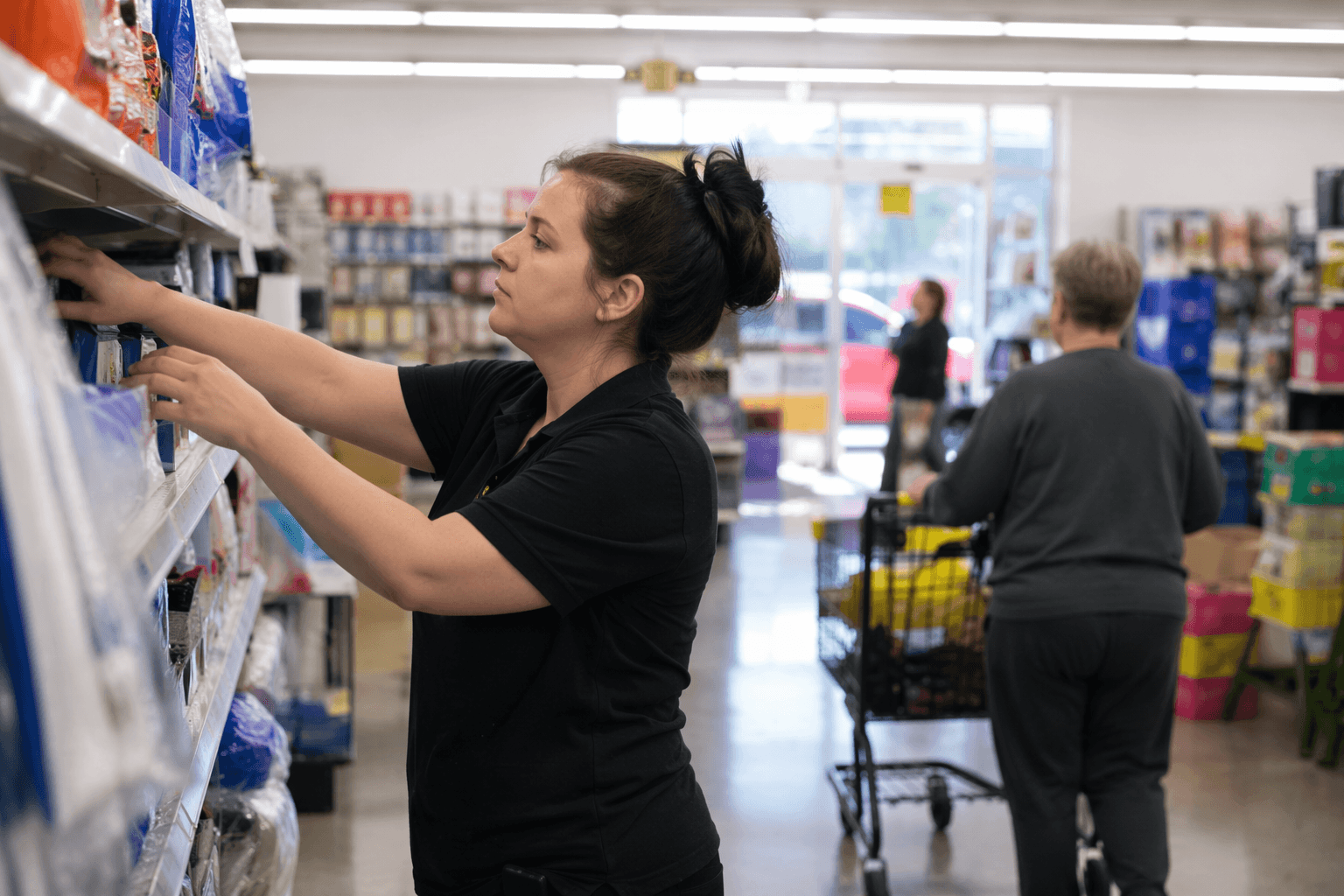
Dollar General is leaning on community work as a core part of its rural identity, saying its efforts now stretch across literacy, food insecurity, disaster relief, reforestation and local partnerships. The company says roughly 75% of the U.S. population lives within five miles of one of its stores, and about 80% of its stores serve communities of 20,000 people or less.
That footprint gives store teams more than a sales role. In many towns, the same associates who ring up milk, bread and school supplies are also the face of a company that says it has donated more than $254 million to literacy programs, more than 15.25 million meals in 2023, more than $9.5 million to disaster recovery through the American Red Cross and more than 96,000 trees in disaster-hit communities as of March 2024. Dollar General said its partnership with Feeding America began in 2021, and by 2024 it said it had donated more than 28 million pounds of food in that year alone and more than 50 million meals since the partnership launched.
Literacy is one of the company’s most visible themes. The Dollar General Literacy Foundation was established in 1993 by Cal Turner and Cal Turner Jr. in honor of J.L. Turner, whom the company describes as a farmer’s son with only a third-grade education. Dollar General says the foundation was built around the idea that literacy opens doors for personal, professional and economic growth, and that it has helped more than 20 million individuals since 1993. Its grants go to nonprofits, schools and libraries within 15 miles of a Dollar General store or distribution center, which makes the program especially local in small towns where store employees often know the teachers, librarians and coaches who apply.
That localism matters because rural retail markets are fragile. USDA Economic Research Service analysis found that when a new dollar store opened in a rural area, the likelihood of an independent grocery store closing was 5%, compared with 1.7% in urban areas. The same analysis found rural independent grocers saw employment fall 7.1% and sales drop 9.2% after dollar store entry, sharper declines than in urban markets. USDA also notes that sparsely populated rural counties face higher travel costs and fewer retailers, which can make access to everyday goods and healthy food more difficult.
For Dollar General employees, that puts community-facing work in a different light. A literacy grant, a food donation or disaster support can build trust and pride in the store, but it also raises expectations every time a customer asks for help or a local group looks to the store as part of town infrastructure. With about 185,800 employees as of March 1, 2024, Dollar General’s community promises are not just a branding exercise; they are something store teams are expected to carry into daily shifts.
This article was produced by Prism’s automated news system from verified source data, official records, and press releases, then run through automated quality and moderation checks before publishing. The system is built and supervised by the people who set the standards it runs under. Read our full AI policy.
Did this article answer your question?