Prime Day shows shoppers still spending, but with discipline
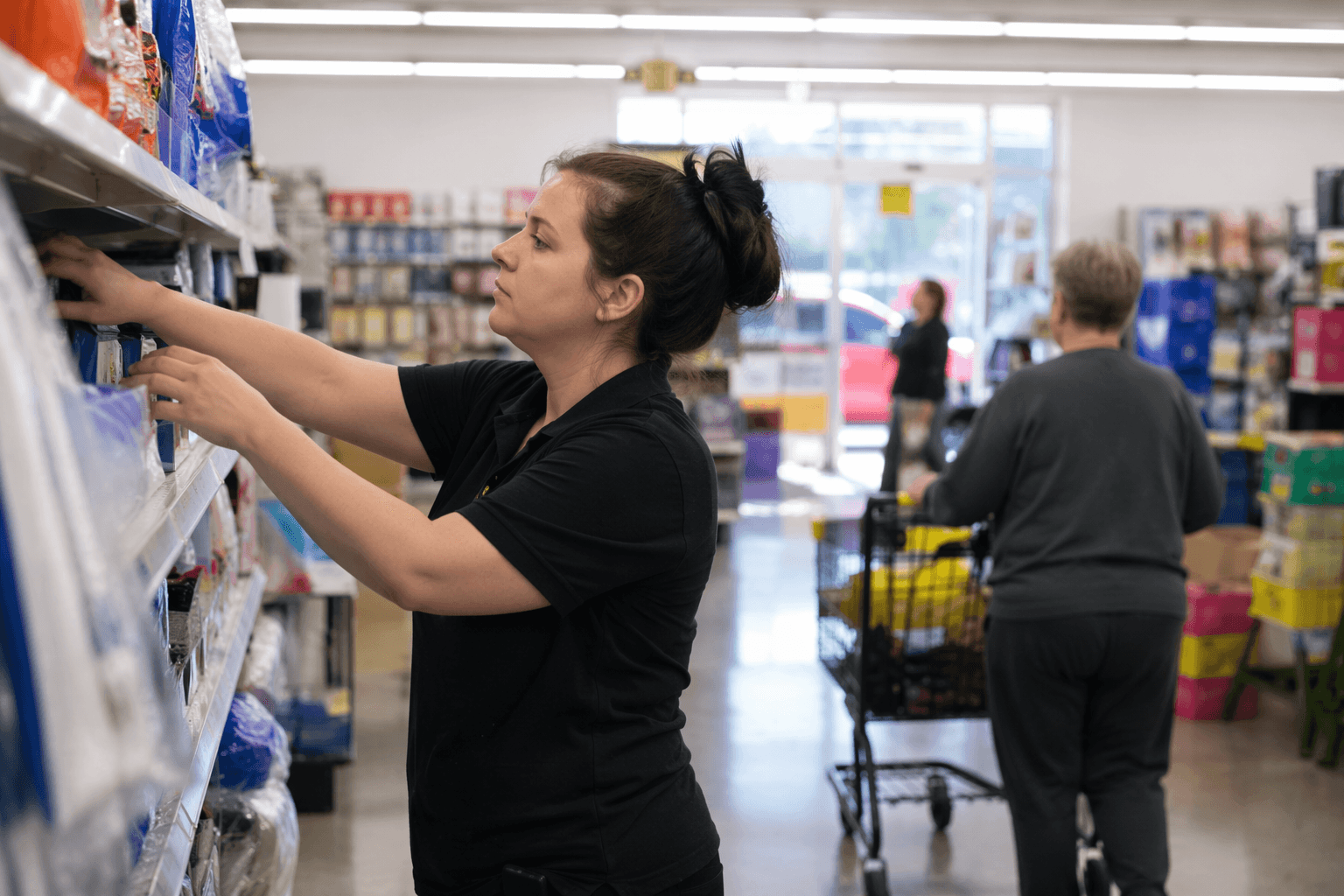
Prime Day’s $8.3 billion opening day showed shoppers are still buying, but only when the price feels worth it. For Dollar General, that means sharper price cues, cleaner shelves, and fewer stock gaps.
Amazon’s Prime Day 2026 opened with $8.3 billion in U.S. ecommerce sales on June 23, up 5.3% from the first day of last year’s event and the biggest online shopping day of 2026 so far. Adobe Analytics projected $26.3 billion in online spending across the four-day sale, a sign that shoppers are still spending even as they pick their spots more carefully.
For Dollar General store teams, the bigger takeaway is not the size of the online haul. It is the way bargain hunting now reaches across channels. Prime Day has become a broader retail event, and Amazon has widened the pitch beyond gadgets to big-ticket items like TVs, patio furniture, trampolines, playsets and lawn mowers. That kind of mix encourages households to compare prices on essentials too, which can show up at Dollar General as tougher questions at the register, more attention to package size, and less patience for out-of-stocks or messy shelves.
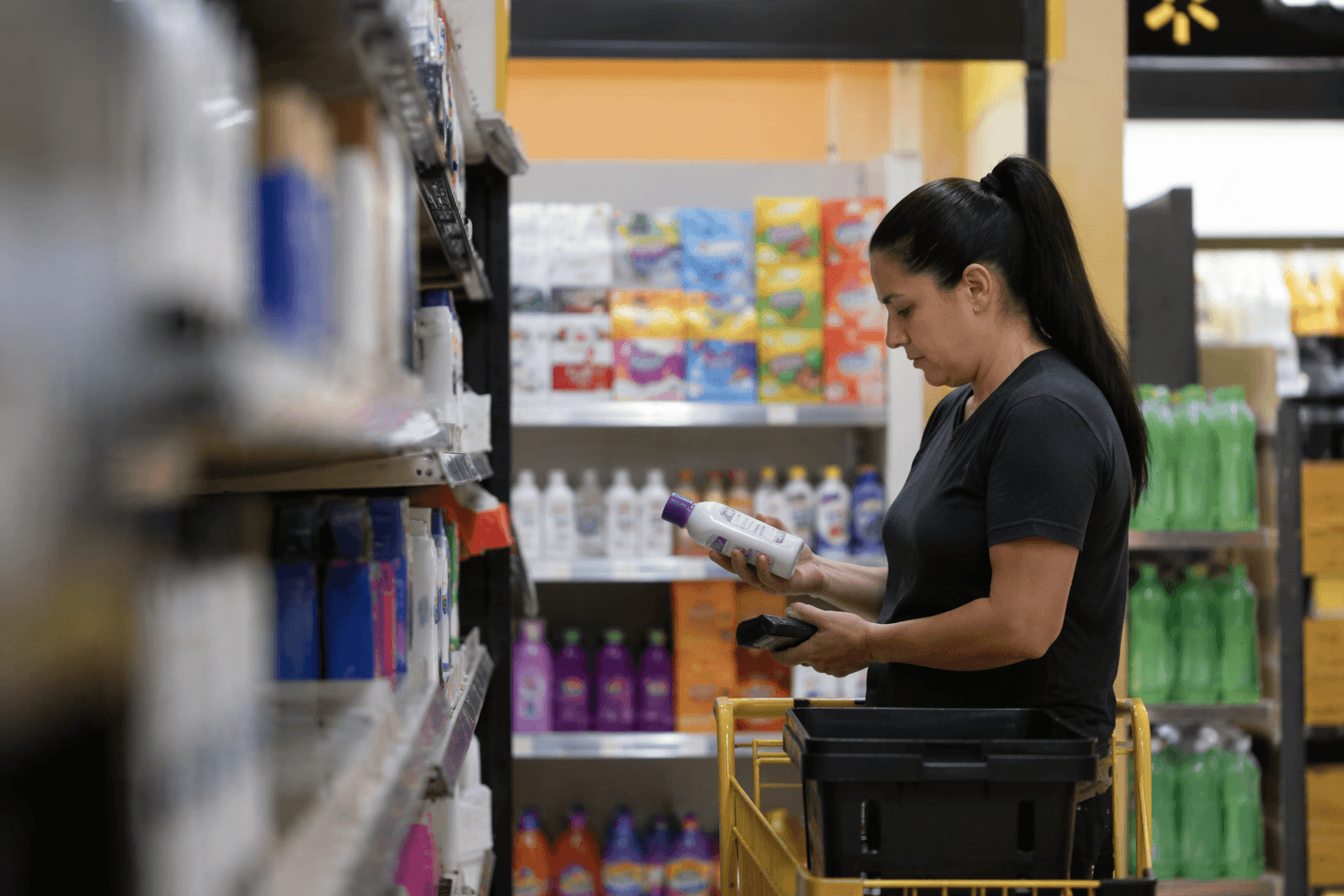
Amazon moved Prime Day 2026 to June 23-26, only the second time it has held the summer event in June. The earlier timing put it closer to Walmart’s Summer Deals event, which eMarketer said ran June 22-28. That overlap turned late June into a crowded discount stretch, with several chains chasing the same price-conscious shopper. In Dollar General stores, that kind of calendar pressure matters because the company’s own pitch rests on everyday low prices, convenient locations and weekly ad deals on groceries, home goods, school supplies and snacks.
The backdrop is not just promotional. Dollar General said its core customers remained under pressure from higher gas prices, and that shoppers across income groups have been heading to dollar and discount stores for cheaper groceries, apparel and seasonal products. In rural and suburban communities where Dollar General is often the closest quick stop, that can mean more customers arriving already primed to compare prices, switch brands or trade down to smaller pack sizes.
Retail experts said the Prime Day sales jump reflected high inflation and shoppers buying more discretionary, longer-lasting products. That fits what store workers already see: customers are still spending, but they are doing it selectively. For Dollar General, the operational answer is straightforward. The deal has to look real, the aisle has to be easy to shop, and the store has to make saving money feel faster, not harder.
This article was produced by Prism’s automated news system from verified source data, official records, and press releases, then run through automated quality and moderation checks before publishing. The system is built and supervised by the people who set the standards it runs under. Read our full AI policy.
Did this article answer your question?