Dollar General workers can use DOL guidance to spot harassment at work
Harassment at Dollar General is not abstract. DOL rules, EEOC cases and retail safety data show why workers need to spot it early, report it fast and document everything.

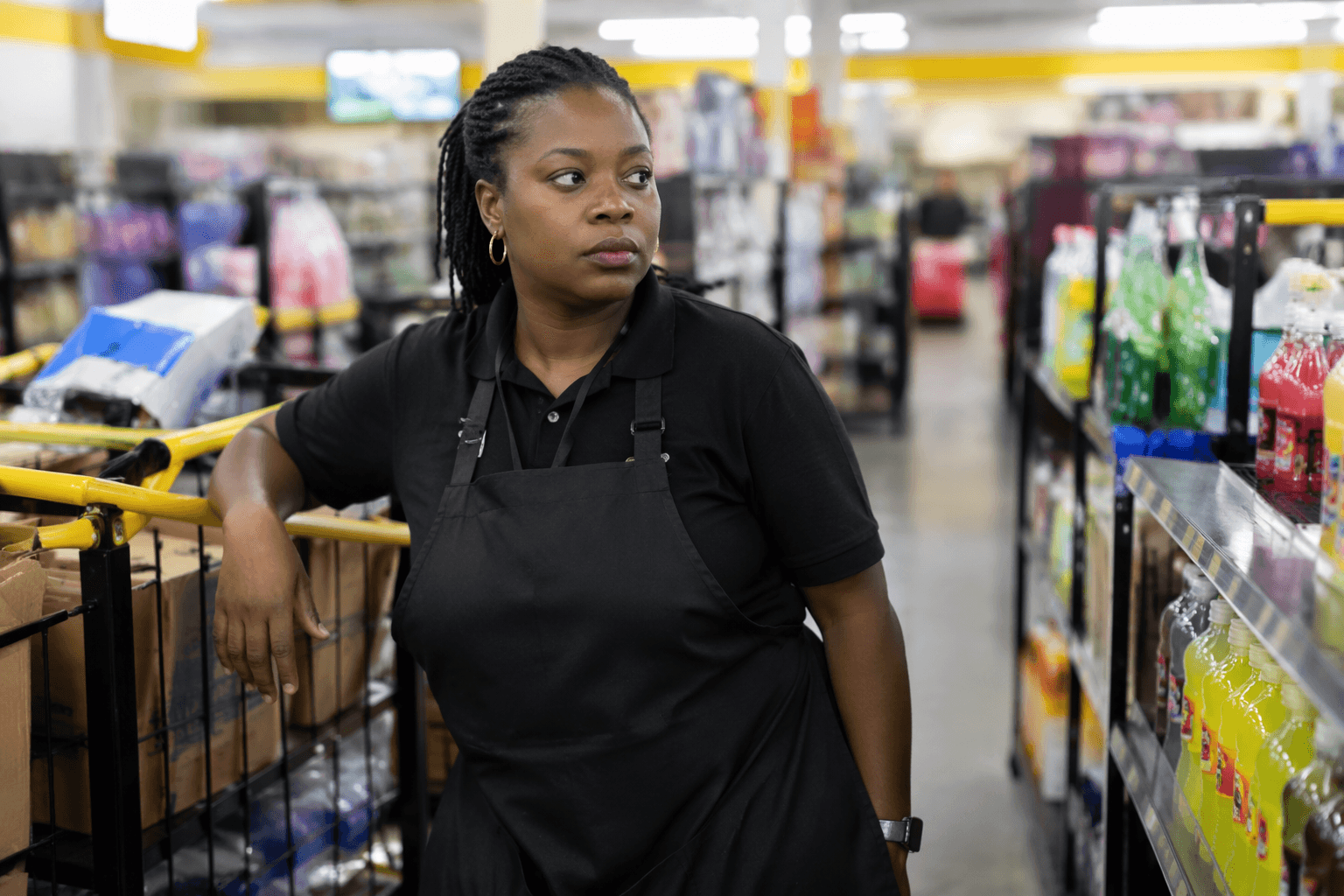
Harassment on a Dollar General shift can look like more than a crude remark. It can show up as a manager belittling older supervisors, a write-up after an anxiety-related absence, or a customer outburst that nobody has time to stop because the store is busy and short-staffed.
The Department of Labor treats harassment as a form of employment discrimination, and that matters on a retail floor where employees work in close quarters and under constant time pressure. Federal law prohibits harassment based on race, color, religion, sex, pregnancy and related conditions, national origin, age, disability, genetic information, veteran status, or protected activity such as filing a complaint or taking part in an investigation. For Dollar General workers, the practical lesson is simple: the law covers more than one kind of insult, and it also protects the act of speaking up.
What counts as harassment in a Dollar General store
In a discount store, harassment often grows out of ordinary work contact points. A coworker can make the break room miserable, a supervisor can turn routine coaching into intimidation, and a customer can cross the line into abuse while employees are trying to keep the line moving and the shelves stocked. When the store is busy, those moments are easy to shrug off as part of retail, but that is exactly when conduct can become repeated, targeted and harder to escape.
The DOL guidance is especially useful because it reinforces that protected activity itself cannot be the reason for bad treatment. If you make a good-faith complaint or take part in an investigation, the company cannot lawfully punish you for that step. In practice, that means a transfer, discipline, cut hours, harsher scheduling or pressure to resign can all matter if they follow closely behind a complaint.
Why reporting and documentation matter on a rushed floor
At Dollar General, the reporting path matters because many problems start small and then spread across a shift or a whole district. If a supervisor is the one causing the problem, workers need to know who above that supervisor is supposed to hear the complaint. If the issue involves a customer, the store still needs a response, because doing nothing can teach the team that abuse is part of the job.
Documenting incidents is not busywork. Write down who was involved, what was said or done, when it happened, where it happened and who saw it. In a fast-paced store, memories blur quickly, especially if the same employee is covering register, recovery and customer service at once. Clear notes can help show a pattern, which is often what separates a one-off conflict from a workplace problem that needs action.
Dollar General’s size makes these issues hard to ignore
Dollar General said it employed approximately 194,200 full-time and part-time workers as of February 28, 2025, and the company traces its history back to 1939. That scale means harassment prevention is not just a policy question from corporate headquarters in Goodlettsville, Tennessee. It is a store-level management issue that affects hiring, retention, training and the daily tone of a shift.
The company’s recent record shows why workers should pay attention early. In July 2024, Dollar General agreed to pay $295,000 to settle an EEOC age discrimination, harassment and retaliation lawsuit. The agency said a regional director called older district managers “grumpy old men,” said he was building a “millennial team,” and threatened them with firing unless they kept up. That case is a reminder that age bias can show up as a workplace culture problem, not just an open slur.
A separate EEOC case filed in January 2025 alleged disability discrimination and retaliation at a Dollar General store in Olustee, Oklahoma. The agency said the employee suffered panic attacks, was disciplined for calling in sick because of anxiety, and was pushed to quit after reporting the conduct. That kind of case matters to store employees because it shows how a health condition, attendance discipline and retaliation can become tangled together on a real schedule, with real consequences for pay and stability.
The company has faced sexual-harassment claims as well. In September 2018, the EEOC sued Dollar General over an allegedly sexually hostile work environment at a Rock Hall, Maryland, store. Earlier that year, Dollar General settled a sexual-harassment case for $70,000 involving complaints at a Red Banks, Mississippi, store, where the agency said a manager abused female employees. Taken together, those cases show a pattern employees should not dismiss as isolated or accidental.
What the broader retail data says about risk
Retail workers are telling the same story in survey data. In a 2025 Harris Poll survey commissioned by the Loss Prevention Research Council and Verkada, 27% of retail workers said they felt unsafe at work, 54% said they had observed customer aggression or harassment, and 11% reported physical violence in the past year. Another 2025 retail safety survey found retail workers were the most likely customer-facing employees to encounter unruly customers, with 61% reporting a recent incident.
That matters for Dollar General because harassment in this setting is tied to safety and staffing, not just compliance. When workers feel unsafe, they are less likely to stay, less likely to speak up early and more likely to accept a hostile environment as normal. In stores where the pace is intense and the labor is thin, the cost of ignoring misconduct is higher turnover and a weaker team.
Where policies break down
A 2025 study of retail codes of ethics and conduct found that only 40% explicitly reference employee-customer interactions and just 15% mention harassment in any form. That gap helps explain why workers often know something is wrong long before the handbook or the district response catches up. Policies that never mention the customer on the sales floor, the angry coworker in the back room or the retaliation that follows a complaint leave too much to interpretation.
For managers, that is the operational failure point. Harassment prevention is not just about being friendly or telling staff to “work it out.” It means setting up a store where complaints are taken seriously, investigated quickly and escalated before they poison the shift. For employees, the key is to recognize that protected conduct includes speaking up, that retaliation is not part of the job, and that a pattern of abuse should be documented, not normalized.
Dollar General’s size, its long history and its repeated EEOC disputes make the lesson plain. In a store environment where pressure is constant, early reporting and firm response are what keep harassment from becoming the unofficial rule of the shift.
This article was produced by Prism’s automated news system from verified source data, official records, and press releases, then run through automated quality and moderation checks before publishing. The system is built and supervised by the people who set the standards it runs under. Read our full AI policy.
Did this article answer your question?