Dollar General workers face July 1 minimum wage hikes in key states
Patchwork July 1 wage hikes in Alaska, Oregon and D.C. force Dollar General to rework pay rates, overtime and store budgets before the next paycheck.
Dollar General managers across Alaska, Oregon and Washington, D.C. had to reset payroll on July 1 as minimum-wage increases landed at the same time but at different rates, creating the kind of back-office scramble that can lead to pay compression, scheduling pressure and posting mistakes in a chain with thousands of stores. For a retailer that runs more than 20,800 locations across 48 states, even one outdated wage table can ripple through timecards, labor budgets and the first paycheck after the new rates take effect.
Alaska’s minimum wage rose from $13 to $14 an hour on July 1, 2026, under Ballot Measure 1, which also set the wage at $15 on July 1, 2027 before annual inflation indexing begins. Oregon’s system was more complicated still: the right rate depends on where the work is performed, with workers generally paid the wage for the county where they work 50% or more of their weekly hours. The 2026 rates were $16.80 in the Portland metro area, $15.55 in standard counties and $14.55 in nonurban areas.
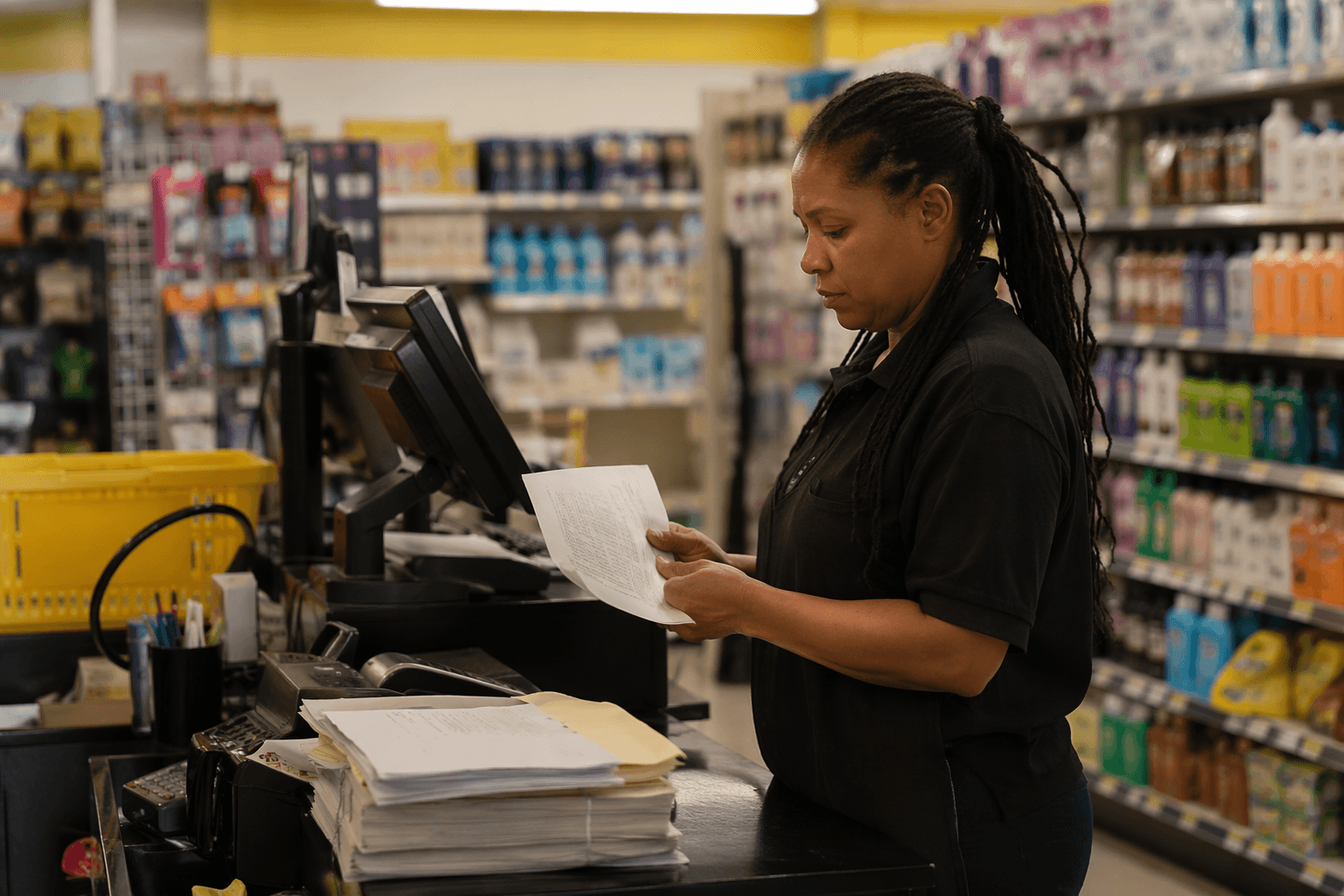
Washington, D.C. raised its base minimum wage from $17.95 to $18.40 an hour, and the increase applied to all workers regardless of employer size. The city also lifted the tipped-worker base to $10.30 an hour. That simplicity on paper still leaves payroll teams with a blunt task: if a store was left on an old rate, the error can hit every hour worked after the change, including overtime calculations tied to the new base.

That is why July 1 functions like a second compliance season for multistate retailers. ADP’s wage update flagged more than 20 local jurisdictions changing rates at the same time, which means district managers are not just watching the state line. They are checking whether each store’s pay code, wage notice and labor budget match the correct jurisdiction before the week closes. In Oregon, that can mean one Dollar General store sits in a different wage band than another a few miles away if the stores fall into different county categories.
The company’s own operating structure makes the issue harder to miss. Dollar General says store managers are responsible for hiring, training, scheduling, inventory management, protecting company assets and implementing company policies. With a U.S. store count of 20,388 as of May 15, 2026, and more than 20,800 stores overall, those July 1 changes are not a single payroll update. They are thousands of local decisions that have to be right the first time.
This article was produced by Prism’s automated news system from verified source data, official records, and press releases, then run through automated quality and moderation checks before publishing. The system is built and supervised by the people who set the standards it runs under. Read our full AI policy.
Did this article answer your question?