Dollar General's fresh push gains importance as grocery competition heats up
Fresh is becoming a bigger battleground at Dollar General, and that could mean more cooler work, tighter rotation, and higher shrink risk for store teams.
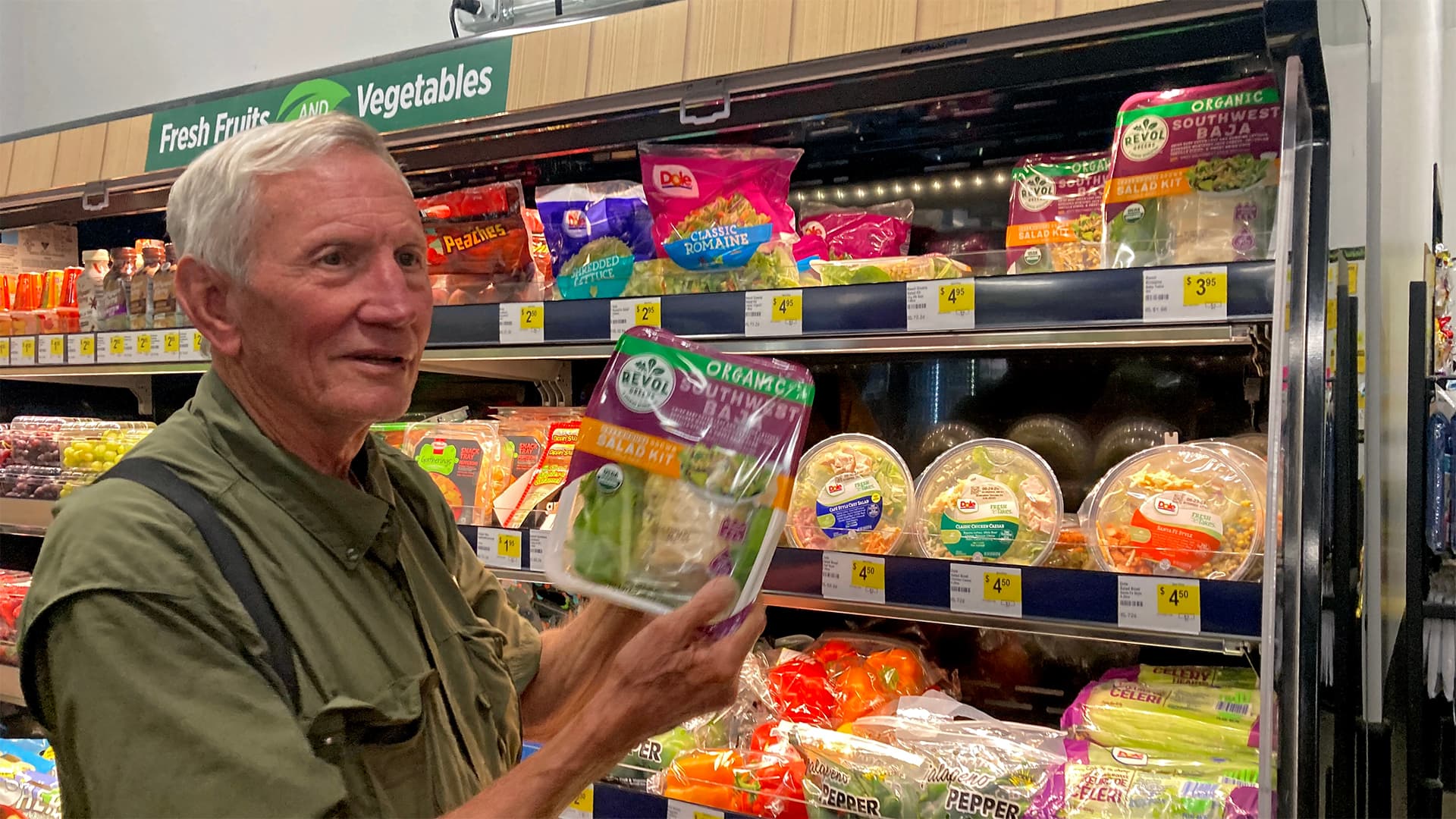
Fresh produce is becoming a harder test for Dollar General stores, and the pressure lands on the people stocking coolers, checking temperatures, and clearing shrink. As rivals lean harder into fresh, the fight is shifting from simple price comparison to whether a store can deliver a clean, reliable perishable section that makes one-stop shopping feel worth it.
Why fresh now matters more
Fresh departments are no longer just an add-on in grocery. Supermarket News reported that produce, deli, and bakery are increasingly what shoppers use to judge the whole in-store experience, even as retailers deal with margin pressure, labor constraints, and more online options. For Dollar General, that matters because fresh is tied to the company’s effort to win more everyday trips from customers who want to grab packaged goods and perishables in one stop.
The broader market tells the same story. FMI data cited by Supermarket News showed grocery stores’ share of total produce dollar sales falling from 42.9% in 2020 to 41.1% in 2023. Over the same period, mass merchandise and supercenter outlets rose from 17.4% to 20.1%, club stores moved from 10% to 11%, and online sales climbed from 1.7% to 2.4%. Shoppers are also buying produce across two to three store channels on average, which means fresh is now a channel fight as much as a store fight.
What Dollar General has already signaled
Dollar General’s fresh push did not start yesterday. In June 2021, the company said it would expand produce to as many as 10,000 stores and donate $1 million to Feeding America. At that point, fresh produce was already available in more than 1,300 stores, and then-COO Jeff Owen said early success with DG Fresh self-distribution for frozen and refrigerated items could support broader produce expansion over time.
That 2021 announcement also showed where the company sees demand. Dollar General said 75% of its stores serve communities of fewer than 20,000 people, and it said many of the stores adding produce would be in USDA-defined food deserts. In other words, the fresh strategy is not just about competing for suburban grocery trips. It is also about becoming a more complete food stop in small towns and rural areas where other options may be limited.
What it means on the sales floor
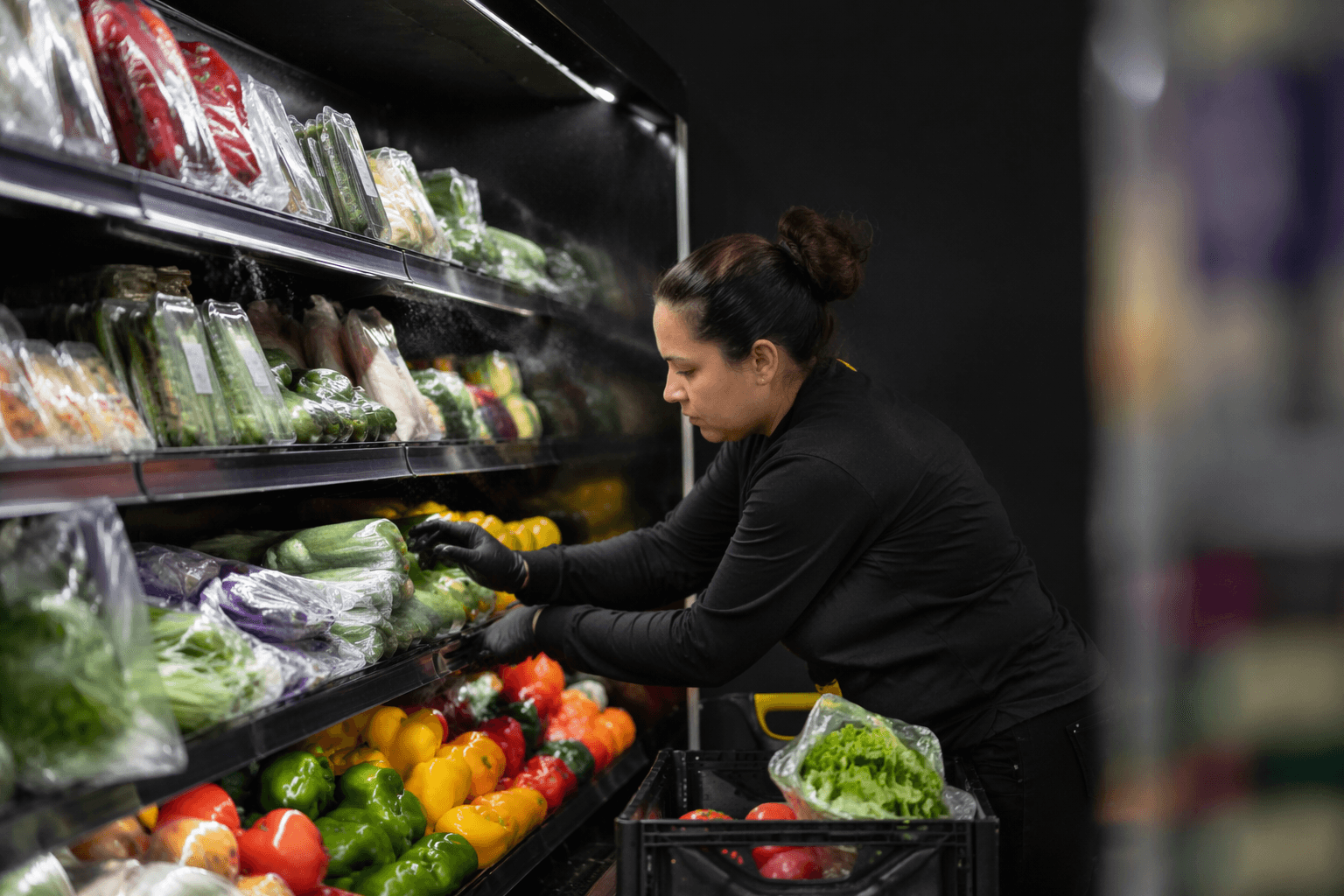
For store associates, fresh changes the rhythm of the day. It affects traffic patterns, basket size, waste, markdowns, and how often the backroom and sales floor need to be checked. A store that is known for better fresh options has a different pace than one selling mostly packaged center-store goods, and that difference shows up in how often coolers need attention and how quickly product has to be rotated.
That has direct labor consequences. Fresh requires more focus on presentation, temperature, availability, and rotation, and each of those tasks creates more pressure on already stretched teams. It also changes the questions customers ask at the register and the urgency around shelf conditions, because a half-empty or disorganized cooler can undermine the whole trip. In a store where coverage is thin, fresh can turn into one more demand layered onto freight, recovery, register, and inventory work.
The supply-chain buildout behind the promise
Dollar General has also been putting money into the infrastructure needed to support perishable items. In May 2023, the company opened distribution centers in Blair, Nebraska, Newnan, Georgia, and Fort Worth, Texas, and it was building a 170,000-square-foot fresh foods facility in Amsterdam, New York. The Blair site was described as the retailer’s first ground-up dual distribution center for both dry goods and refrigerated items.
Those investments were designed to boost capacity by about 20%. That matters for workers because fresh is unforgiving when deliveries are late or product flows are inconsistent. If the supply chain improves, stores may get more dependable assortments and better in-stock conditions. If it does not, the burden shifts back to the store team, which is usually the first place customers notice empty shelves, poor rotation, or product that does not look ready to buy.

Why the company keeps pressing
Dollar General’s own scale helps explain why fresh remains strategically important. As of January 30, 2026, the company said it operated 20,893 stores across the United States and Mexico, including Dollar General, DG Market, DGX, pOpshelf, and Mi Súper Dollar General locations. On its investor relations site, the company says it is focused on “driving profitable sales growth” and “capturing growth opportunities,” and food sits alongside other everyday essentials in that plan.
The company has also been showing some traction with shoppers. In August 2025, Supermarket News reported that Dollar General said second-quarter customer traffic rose 1.5% year over year and average basket size increased 1.2%. The retailer also said it had more than 2,000 items at or below the $1 price point, while opening 204 new traditional-format stores and completing hundreds of remodels in the quarter. That suggests the company sees fresh not as a niche experiment, but as part of a broader traffic and basket strategy.
What DG workers should watch next
The practical question for store teams is not whether fresh sounds attractive on a slide deck. It is whether management will give stores the labor, training, and delivery consistency needed to support it without making the shift harder. Fresh can help Dollar General win repeat visits, but only if cooler execution, shrink control, and stocking standards match the promise.
That means more pressure on the daily basics: receiving on time, rotating product, keeping temperatures in range, and making sure the department looks shoppable when customers walk in. If those pieces hold, fresh can strengthen Dollar General’s value proposition in the communities it already serves. If they do not, the cost will show up first on the sales floor, where workers already know how quickly one weak cooler can become a long day.
This article was produced by Prism’s automated news system from verified source data, official records, and press releases, then run through automated quality and moderation checks before publishing. The system is built and supervised by the people who set the standards it runs under. Read our full AI policy.
Did this article answer your question?