Dollar General's supply chain moves truckloads every two minutes
Dollar General’s warehouse work moves fast, with truckloads hitting stores every two minutes and perishables shifts in cooler and freezer spaces. New hubs may bring steadier hours, more pay, and a different path than store front-end work.
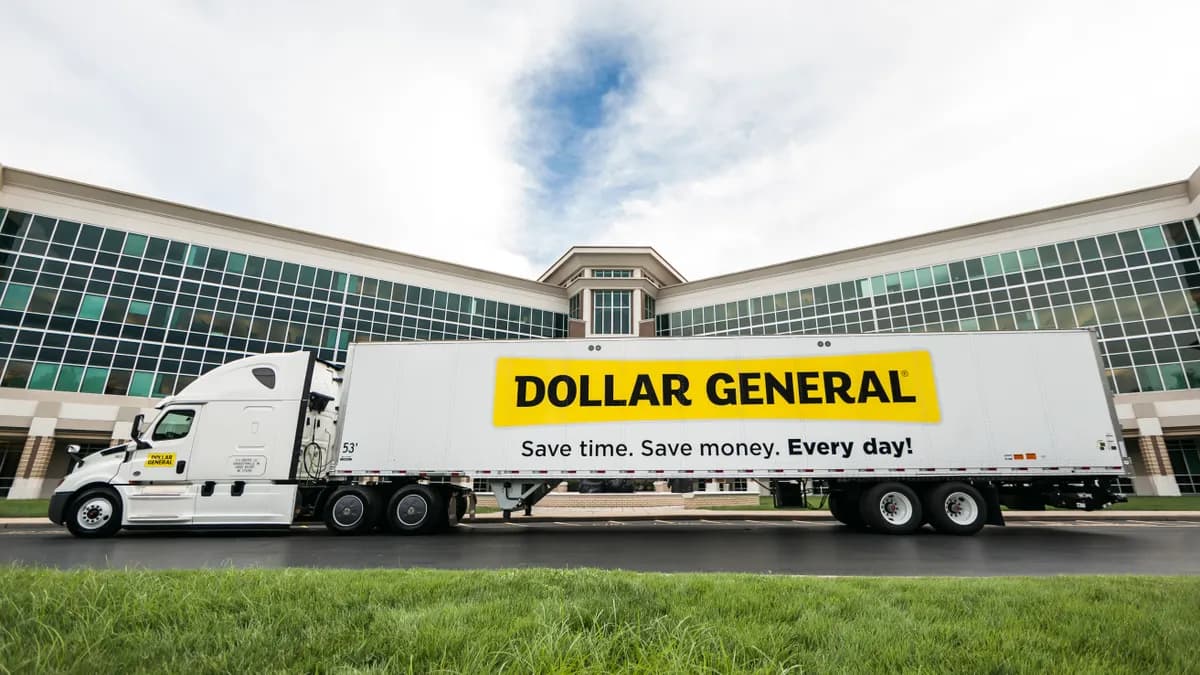
Dollar General’s distribution jobs sit at the center of how the chain keeps stores open with minimal slack. On an average day, the company says roughly 3,000 stores receive weekly deliveries by tractor trailer, and one of its supply-chain features says a Dollar General tractor trailer reaches a neighborhood store every two minutes. If you are weighing a warehouse job against cashier work or a front-end role, that cadence tells you almost everything about the pace: this is a high-volume, tightly timed operation built around moving product quickly and clearing space just as fast.
What the work actually feels like
The company uses its own language for a big part of the physical job: “rolltainers.” These are rolling carts loaded with boxes of product, and store associates move them into back rooms or down aisles to stock shelves. That image is useful because it shows the handoff point between the distribution center and the sales floor. The work is not just picking items in a warehouse; it is part of a chain that depends on fast unloading, fast sorting, and fast replenishment once the shipment gets to the store.
That pace matters for the body, too. General warehouse work can mean standing, lifting, pushing, and repeating the same motions across a shift, while perishables work adds the pressure of temperature control and time sensitivity. A cooler or freezer role is not the same as a dry-goods position, and Dollar General’s own listings make that distinction clear by naming cooler/freezer picker experience and shift differential pay in some fresh distribution jobs.
Where the openings are
Dollar General’s distribution careers page includes several lanes that are worth understanding before you apply: general warehouse, perishables distribution, and second-shift roles. That matters because it shows the company is not offering one generic warehouse job. It is signaling separate paths for workers who want standard warehouse flow, fresh-food handling, or off-hour schedules that can come with different pay.
The public job listings tied to the careers site show how broad that footprint is. Dollar General has posted general warehouse perishables second-shift jobs in Berkeley, Missouri, and Little Rock, Arkansas, along with similar roles in St. Louis, Missouri, and Atlanta, Georgia. It has also listed perishables distribution center jobs in Montgomery, Alabama, and San Antonio, Texas. For a job seeker, that spread is a clue: the company’s distribution network is not limited to one region, and the fresh side of the business is large enough to support multiple specialized openings at once.
Why perishables jobs are different
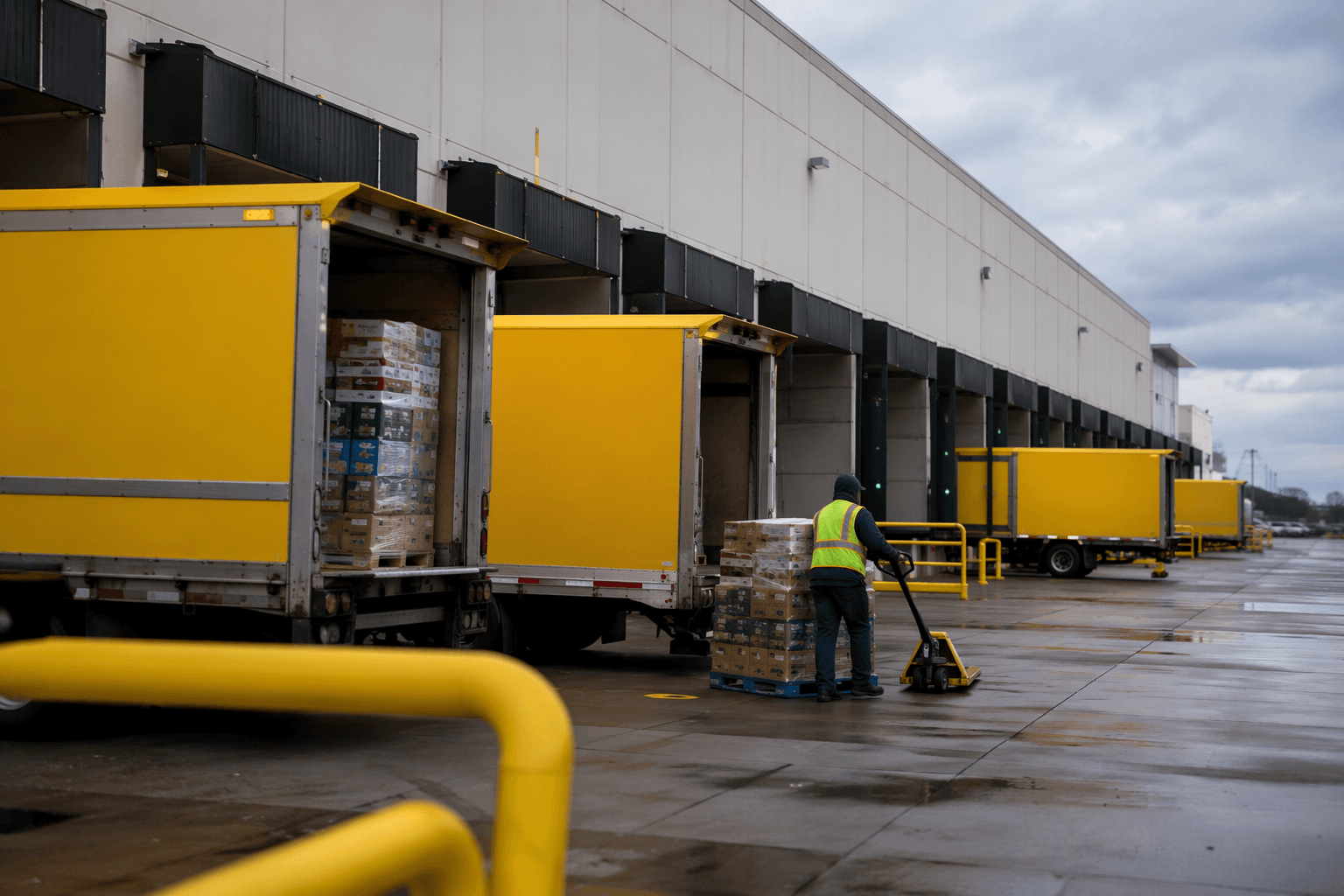
Perishables work is a separate lane because it brings more control, more urgency, and often a different rhythm than standard warehouse picking. Dollar General Fresh Distribution listings point to cooler and freezer picker experience, which means the work can involve cold environments and tighter product handling windows. That can be a better fit if you want structured shift work and are comfortable with the physical side of refrigeration-based warehousing.
The shift differential pay in some fresh roles is also worth watching. That does not automatically make the job easier, but it can make the tradeoff more attractive if you are comparing it with store work that often comes with erratic schedules, customer conflict, and limited control over staffing levels. In a company where front-end stores have long faced understaffing pressure and single-associate concerns, a distribution job with a defined shift may offer more predictability even if the physical demands are higher.
How the network is expanding
Dollar General’s Longview, Texas, distribution center shows how the company links supply-chain growth to store growth. The facility was expected to support about 1,000 Dollar General stores across Texas and the southeastern states and to create about 400 jobs. Local reporting described the center as 1 million square feet, about 23 football fields in size, and said it had been operating since January 2019 before a grand-opening tour on July 19, 2019.
That Longview facility also reflects another part of the company’s logistics strategy: reducing truck mileage and costs. For workers, that does not just sound like corporate efficiency language. It usually means more deliberate routing, more pressure to keep product moving on schedule, and a distribution footprint built to serve a wider store network without wasting fuel or time.
The expansion did not stop there. In May 2023, Dollar General said it had opened a first ground-up dual facility in Blair, Nebraska, and permanent regional facilities in Newnan, Georgia, and Fort Worth, Texas. Trade reporting also tied earlier announced facilities in Aurora, Nebraska, and Salem, Oregon, to job creation of about 400 jobs each, while North Little Rock, Arkansas, was expected to create about 500 jobs. Those numbers matter because they show that each hub is not just a building on a map; it is a hiring engine that can reshape local labor markets around full-time warehouse work, second shifts, and specialized operations.
What the scale says about the fleet
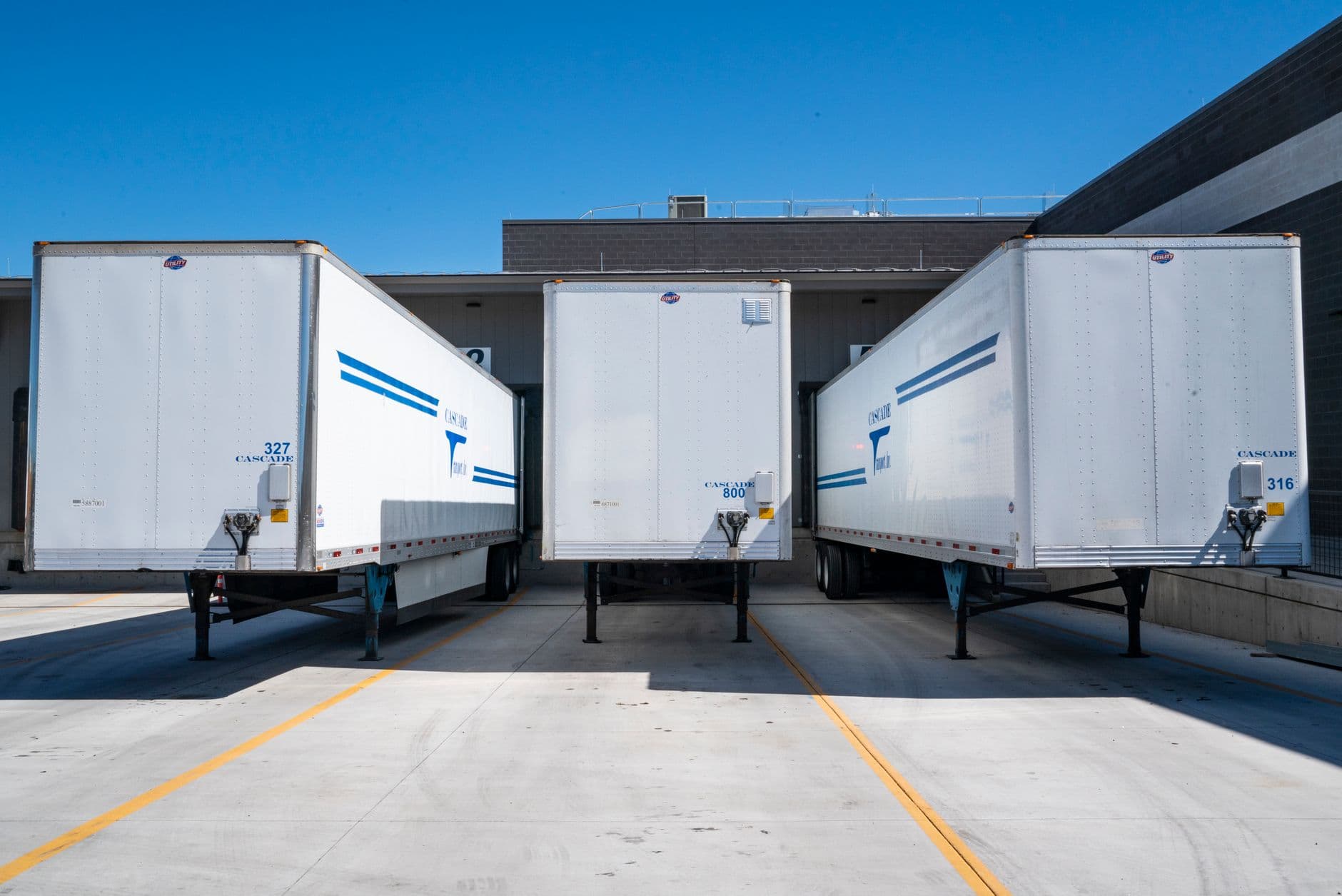
The company’s own logistics buildout also depends on trucks, not just buildings. Dollar General said its private fleet grew to 950 tractors in 2022. That is a meaningful detail for workers because it shows the chain is not relying entirely on outside carriers to feed stores and distribution centers. A larger private fleet can mean more internal control over timing and routing, but it also raises the stakes for dispatch, maintenance, driver coordination, and dock labor when volumes spike.
The fresh side of the network is just as large. Dollar General said its DG Fresh network was delivering to more than 19,000 stores from 12 facilities. That tells you the perishables business is no side project. It is a separate logistics layer with its own warehouse routines, its own staffing needs, and its own pressure to keep food moving quickly enough to preserve quality and reduce waste.
Should you apply?
If you are trying to decide whether a Dollar General distribution job fits your life, the real question is not whether warehouse work is hard. It is whether you want hard work with a clearer operating rhythm than the sales floor. The company’s distribution network is built around repeatable shifts, fast turnaround, and specialized lanes for dry goods and perishables, which can mean steadier schedules than many store roles and, in some cases, better pay through shift differentials.
The tradeoff is physical. Rolltainers, cooler and freezer work, and the speed of a network that moves a tractor trailer to a store every two minutes all point to a job that demands endurance and consistency. If you want a path inside Dollar General that is tied to expansion, more structured hours, and a chance to move beyond front-end store chaos, the distribution side is where the company is putting real money, real buildings, and real headcount.
This article was produced by Prism’s automated news system from verified source data, official records, and press releases, then run through automated quality and moderation checks before publishing. The system is built and supervised by the people who set the standards it runs under. Read our full AI policy.
Did this article answer your question?