Jobless claims rise, signaling mixed labor conditions for Dollar General
Claims climbed to 229,000, and Dollar General’s 20,594 stores still face a tight race for workers, even with summer volatility softening the read.
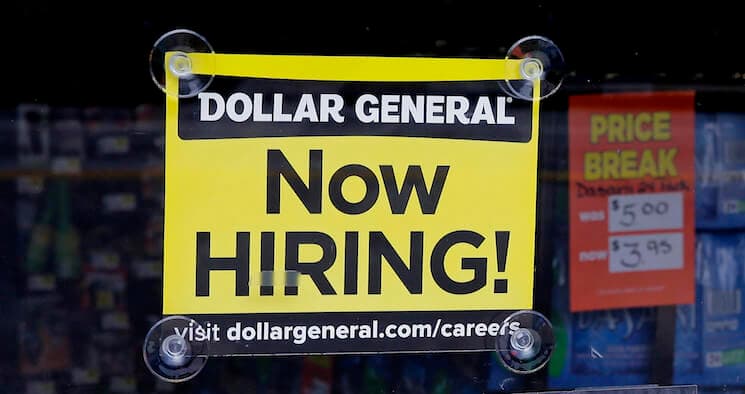
Dollar General workers got a fresh reminder that the labor market is still giving front-line employees some leverage. Initial jobless claims rose by 4,000 to 229,000 for the week ended June 6, a reading that came in above economists’ expectations and pointed to a job market that is still resilient enough to keep competition for retail labor alive.
The rise was not dramatic, but it matters on the store floor. Continuing claims increased by 24,000 to 1.795 million, suggesting some unemployed workers are taking longer to find new jobs. Reuters also noted that claims can move higher at the start of summer because some non-teaching school staff are able to file during long school breaks, and Bloomberg said the latest reading was the highest since February. For Dollar General associates, that means staffing pressure is not likely to disappear overnight, even if the week-to-week claims data stays noisy.

At Dollar General, that labor squeeze shows up in ordinary decisions about hiring, schedules and retention. The company said in its fiscal 2026 annual report filed March 20 that operating expenses such as wage rates and occupancy costs have continued to increase because of labor availability, minimum wage increases, inflation, property rents and interest rates. Its 2024 annual report said many entry-level store employees are paid at rates in line with applicable state minimum wage, and that increases in those wage rates have pushed labor costs higher. In a business where many workers are already juggling thin staffing, the ability to recruit, keep and cross-train people can shape whether a shift runs smoothly or falls apart.
That matters because Dollar General’s usual store model is lean by design: a store manager, one or more assistant store managers, and four or more sales associates, with staffing levels varying by store volume and operating hours. As of January 31, 2025, the chain operated 20,594 stores across the United States and Mexico, which gives even small changes in labor conditions outsized weight for stores in rural and suburban markets where the next employer may offer a slightly better wage or more predictable hours.
The company’s most recent earnings also showed why managers are still under pressure to make every labor dollar count. In the first quarter of fiscal 2026, Dollar General posted net sales of $10.8 billion, same-store sales growth of 2.0% and customer traffic growth of 1.4%. Operating profit rose to $638.5 million, diluted earnings per share reached $2.00, and cash flow from operations totaled $716.2 million. Todd Vasos said the quarter reflected positive customer traffic and balanced category growth, but the broader labor picture suggests store-level hiring and scheduling will stay delicate even as the company keeps investing in its business.
This article was produced by Prism’s automated news system from verified source data, official records, and press releases, then run through automated quality and moderation checks before publishing. The system is built and supervised by the people who set the standards it runs under. Read our full AI policy.
Did this article answer your question?