Metro strike talks stall as workers reject first contract offer
Metro’s first contract offer was rejected by 95% of workers, sharpening a wage gap that has kept bargaining stuck since last December.

Metro and its striking workers have rejected each other’s opening contract proposals after talks that began last December, deepening a fight over pay, timing and who has the stronger financial case. The company’s first offer, put on the table June 18, was turned down by 95% of workers, and union president Gord Currie said, “In today’s world in Canada, 30 bucks an hour doesn’t cut it.”
Metro said the union’s June 25 counteroffer did not give it a basis for a responsible and sustainable settlement, pointing to the monetary gap that remained after weeks of dispute. The contract covers not only grocery workers but some employees at Metro’s headquarters and support center, which widens the stakes beyond the sales floor and into the company’s back-office operations.
The standoff is easier to read in light of Metro’s own history. In the summer of 2023, about 3,700 Unifor Local 414-represented workers at 27 Metro supermarkets in the Greater Toronto Area went on strike for about a month before the sides reached a tentative agreement on July 19 and workers ratified a new five-year collective agreement on August 31. That deal included wage increases, pension improvements and benefits improvements, a reminder that a grocery strike can become expensive fast once it drags into customer disruption and lost sales.
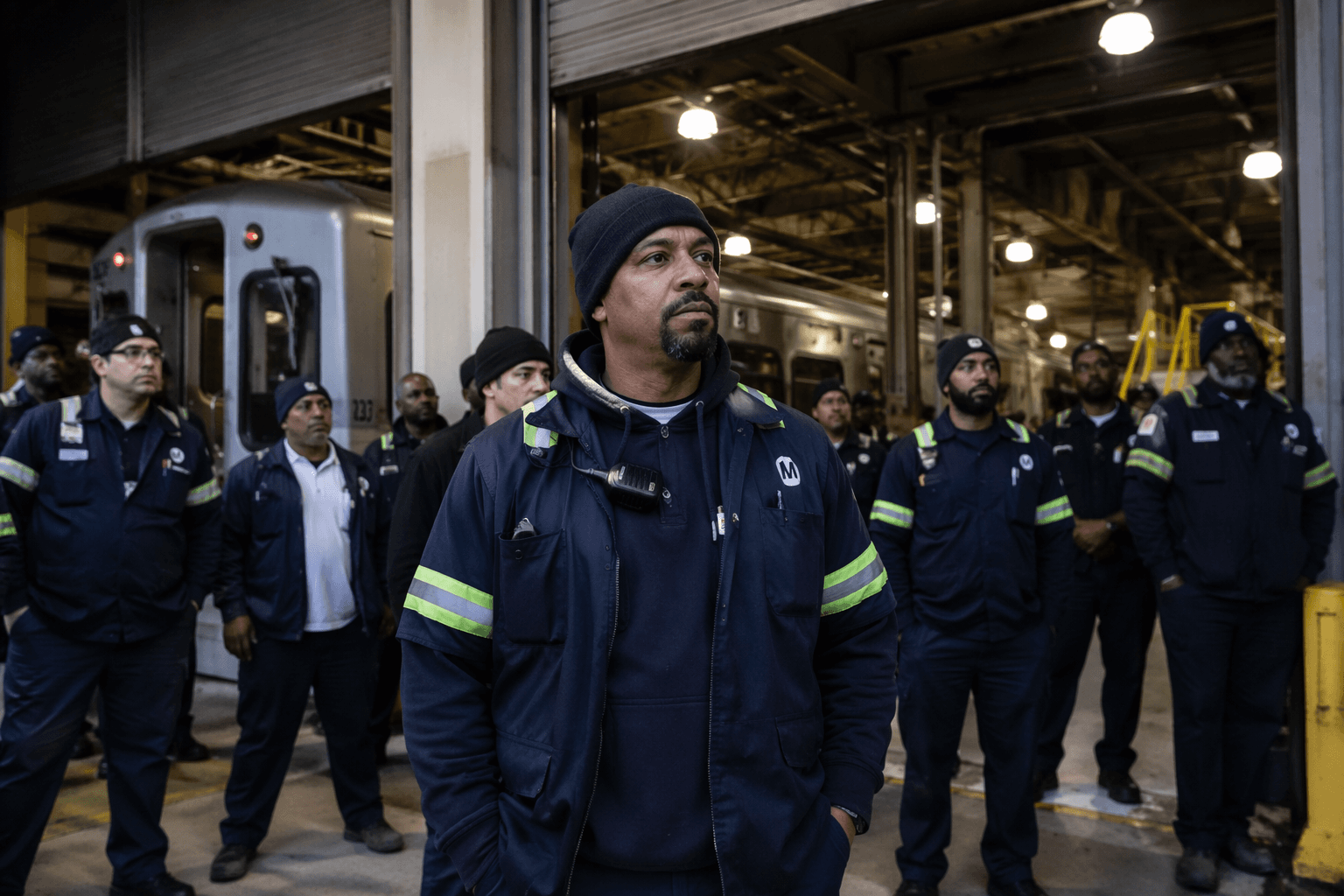
Metro is large enough to absorb pressure and still feel it. The company says it has more than $22 billion in annual sales and employs more than 97,000 people, while its 2024 annual report says it operates or services 995 food stores and 639 pharmacies and provides employment directly or indirectly to more than 98,000 people. When bargaining gets this public, the numbers become part of the fight, not just the backdrop.
For Dollar General workers watching from a different chain and a different pay scale, the Metro dispute is a familiar warning. The earliest signs are already visible when a company’s offer is rejected almost unanimously, when management talks about sustainability and workers talk about rent, and when the argument shifts from wages to whether anyone is listening. In retail, that is usually when scheduling, staffing and customer service start to enter the conversation, and once they do, the dispute is no longer just about the hourly rate.
This article was produced by Prism’s automated news system from verified source data, official records, and press releases, then run through automated quality and moderation checks before publishing. The system is built and supervised by the people who set the standards it runs under. Read our full AI policy.
Did this article answer your question?