Oregon and Washington add workplace rules on immigration, pay thresholds
Oregon workers gained new immigration protections June 5, while Washington raised its wage floor to $17.13 and tightened non-compete pay thresholds.
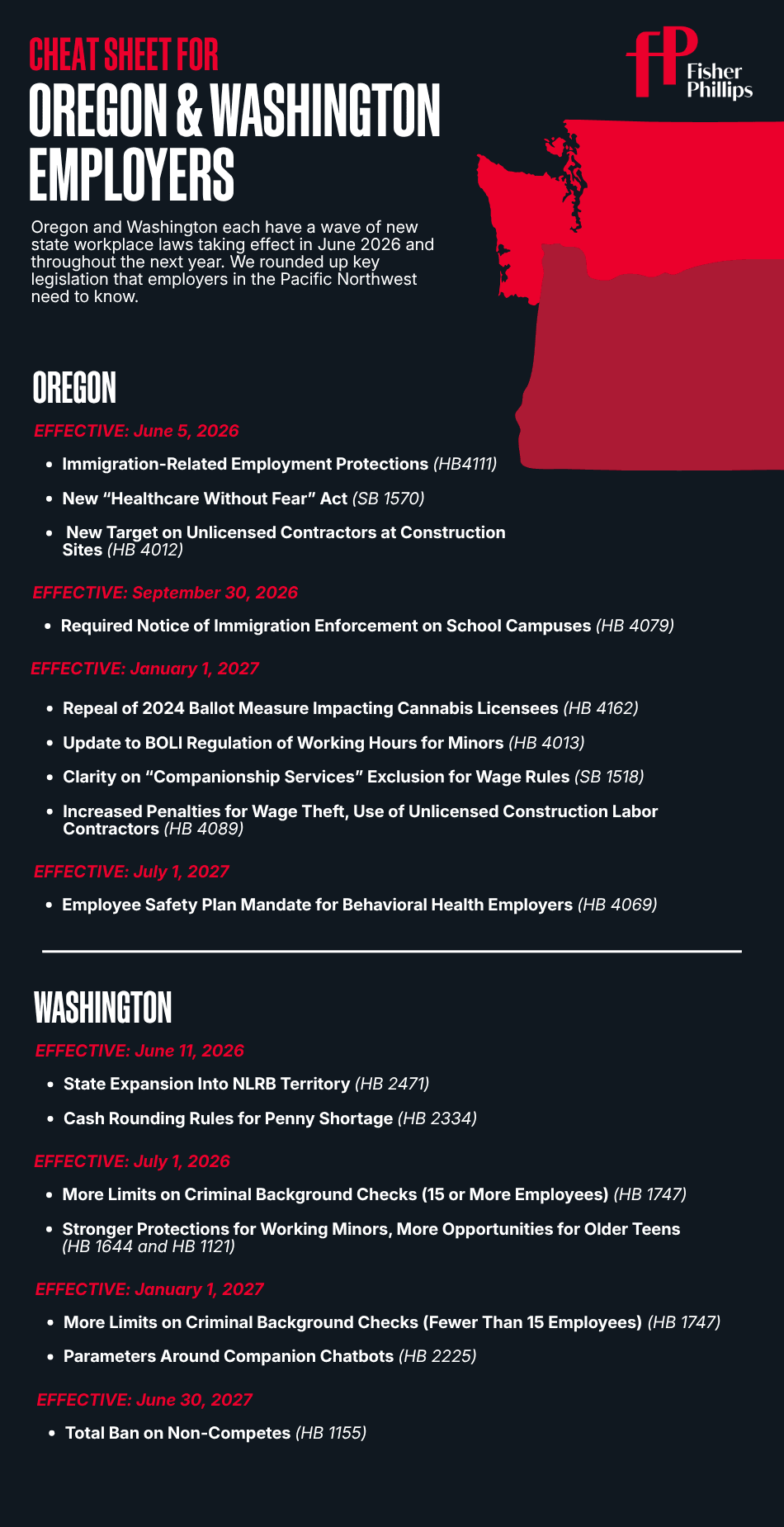
Dollar General stores in Oregon and Washington need to treat this month’s law changes as store-floor issues, not legal footnotes. In Oregon, new immigration-related protections took effect June 5, while Washington’s 2026 wage floor and non-compete thresholds are already changing how managers track time, set pay and review agreements.
For Oregon associates, the biggest shift is protection around immigration status. House Bill 4111 bars the use of immigration status as evidence in civil cases and protects workers from retaliation after lawful work-authorization updates. Oregon labor officials also say employers cannot discriminate based on national origin or use immigration status as a pretext for discrimination. That matters in a retail chain like Dollar General, where hiring paperwork, I-9 follow-up, leave requests and manager comments can quickly turn into a complaint if supervisors handle them carelessly.

Dollar General’s Oregon footprint, including stores in Eugene, Grants Pass and John Day, means district managers and store leaders should be checking whether handbook language, onboarding scripts and supervisor training still match the state rules. A cashier who updates work authorization should not face side-eye, extra scrutiny or schedule changes that look like retaliation. For store managers, the practical step is simple: keep immigration questions out of everyday scheduling and discipline decisions unless human resources has told you otherwise.
Washington stores have a different but equally immediate set of changes. The state minimum wage is $17.13 an hour in 2026, up 2.8% from $16.66 in 2025, and the labor department says “hours worked” includes opening and closing work, required trainings and meetings. That means timekeeping cannot stop at the register shift. If an assistant manager unlocks the store early, stays late to close, or sits through a mandatory meeting, that time counts and needs to be recorded.
Washington also updated the pay thresholds for enforceable non-competes. For 2026, an employee must earn at least $126,858.83, and an independent contractor must earn $317,147.09, before a non-compete can be enforceable. Those figures are adjusted every year for inflation by the Department of Labor & Industries, which makes this a standing review item for corporate teams and district-level roles, not a one-time memo. For most store associates, the main takeaway is that non-competes are not a routine part of retail work; for higher-paid managers, any agreement should be checked against the current threshold before it is handed out or enforced.
Fisher Phillips said the Oregon and Washington changes are part of a wider wave of workplace-law updates, but for Dollar General workers the day-to-day message is narrower: know which state rules apply at your store, make sure every working minute gets counted, and do not let immigration paperwork or outdated handbook language become a problem on the sales floor.
This article was produced by Prism’s automated news system from verified source data, official records, and press releases, then run through automated quality and moderation checks before publishing. The system is built and supervised by the people who set the standards it runs under. Read our full AI policy.
Know something we missed? Have a correction or additional information?
Submit a Tip