OSHA heat rule could reshape Dollar General safety obligations
OSHA’s heat rule could force Dollar General to spell out breaks, water, pace limits and manager response in stores, stockrooms, parking lots and fleet routes.
OSHA is moving toward a federal heat standard that would require employers to write down how they evaluate and control hazardous heat, a change that would reach Dollar General’s sales floors, loading zones, stockrooms, remodel sites and fleet routes. The proposed Heat Injury and Illness Prevention rule was published in the Federal Register on August 30, 2024, the informal public hearing ran from June 16 through July 2, 2025, and the post-hearing comment period for participants ended October 30, 2025.
For Dollar General workers, the practical issue is not just summer weather. OSHA says hazardous heat can hit indoors or outdoors in any season, and it currently leans on the General Duty Clause while a specific rule is pending. OSHA says the new standard would clarify employer obligations and require a plan to evaluate and control heat hazards, a shift that could matter in stores where one associate is ringing up customers, unloading freight and moving between a hot parking lot and a stockroom with poor ventilation.
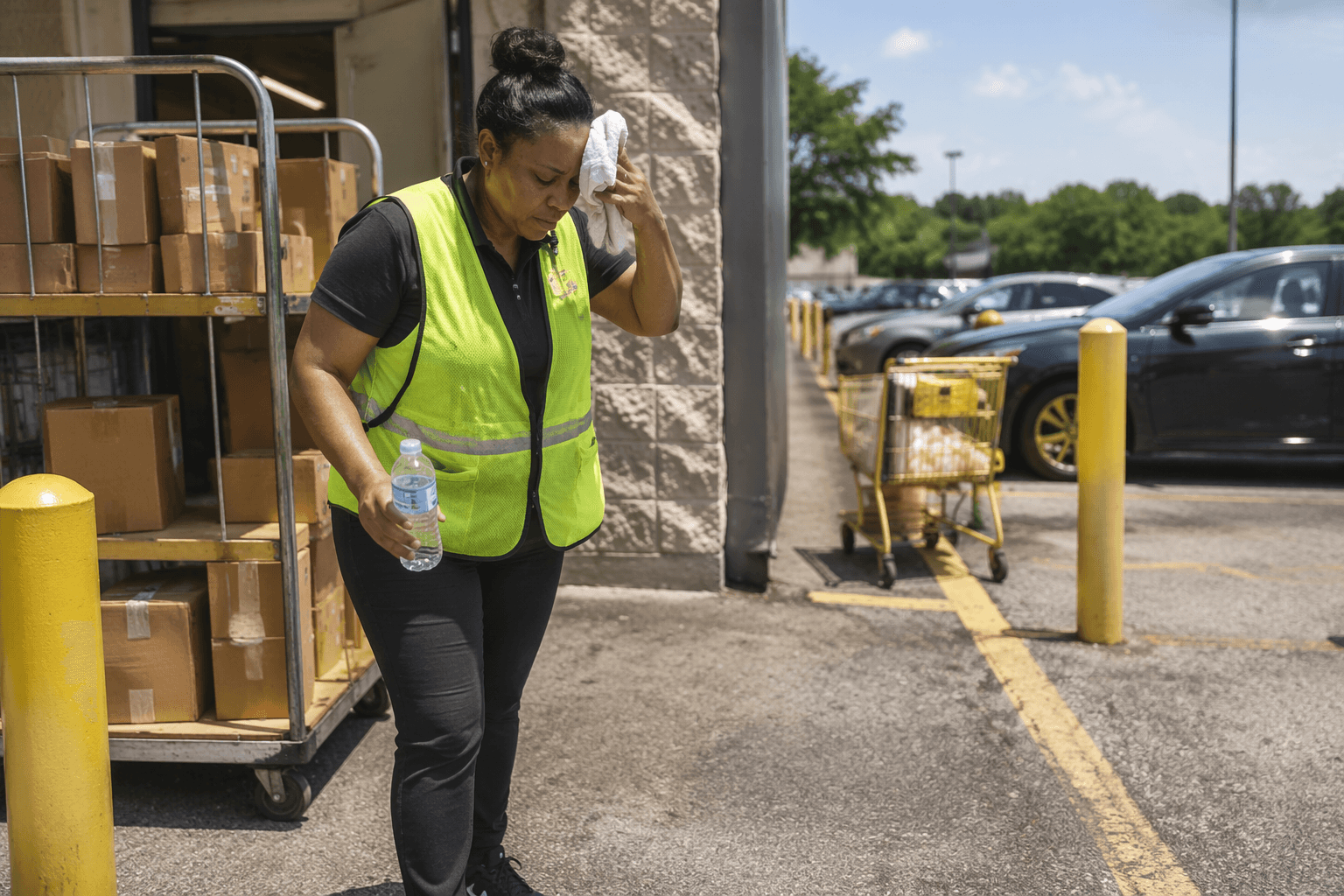
The details that may matter most next summer are the ones that change the workday. OSHA’s current guidance says employers should provide cool water, and for jobs lasting two hours or more, additional fluids that contain electrolytes. If the rule is finalized as described, store managers may need more explicit instructions on when breaks start, where water is kept, how fast freight can be moved, and what happens when a manager realizes a store is getting too hot for normal pace expectations.
The agency’s heat materials also put a spotlight on newer workers. OSHA says nearly 3 out of 4 heat-illness fatalities happen during the first week of work, which is why acclimatization is such a central issue for seasonal hires, transfers and workers coming back after time away. At Dollar General, where staffing shortages can leave a single associate covering a shift alone, the difference between a reminder and a rule can determine whether someone gets pulled off a hot task early enough to avoid a medical emergency.
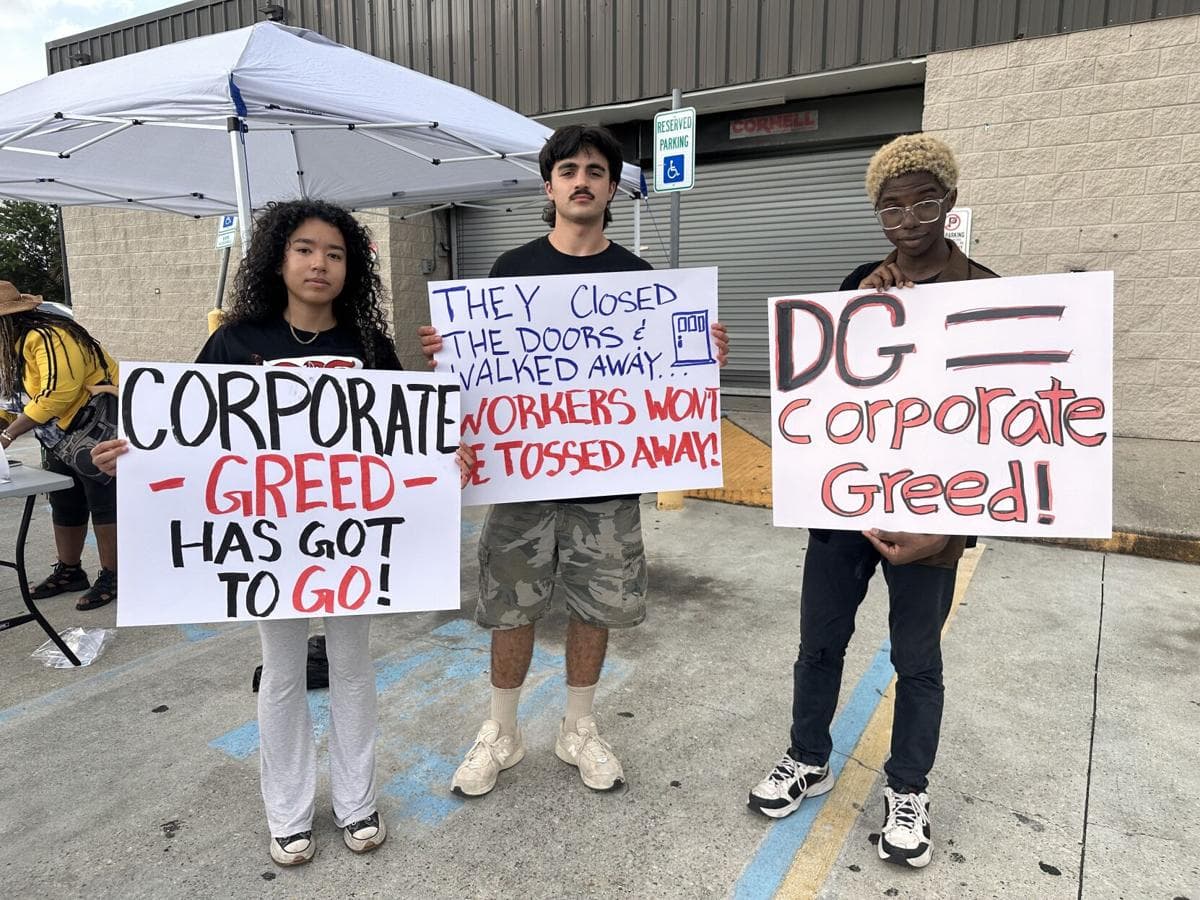
Dollar General’s own safety history gives the heat debate extra weight. On July 11, 2024, the company and its retail subsidiaries entered a corporate-wide settlement with OSHA. The Department of Labor said Dollar General generally had 48 hours to correct hazards under that deal and could face penalties of $100,000 per day of violation, up to $500,000, if it failed to do so. OSHA and DOL releases have described the chain as operating roughly 19,000 stores and 28 distribution centers in 47 states and employing more than 173,000 workers, after more than $21 million in proposed fines from more than 240 inspections since 2017.
Dollar General’s SEC filing adds another reason heat rules could reach beyond the sales floor: distribution-related construction and expansion can involve temperature-controlled distribution centers and refrigerated transportation equipment. That makes the next phase of OSHA heat rulemaking a store-level issue and a logistics issue at the same time.
This article was produced by Prism’s automated news system from verified source data, official records, and press releases, then run through automated quality and moderation checks before publishing. The system is built and supervised by the people who set the standards it runs under. Read our full AI policy.
Did this article answer your question?