OSHA urges Dollar General to strengthen late-night worker safety plans
OSHA says Dollar General’s late-night, cash-heavy stores need site-specific violence plans, not generic memos, as solo coverage and weak security raise risk.

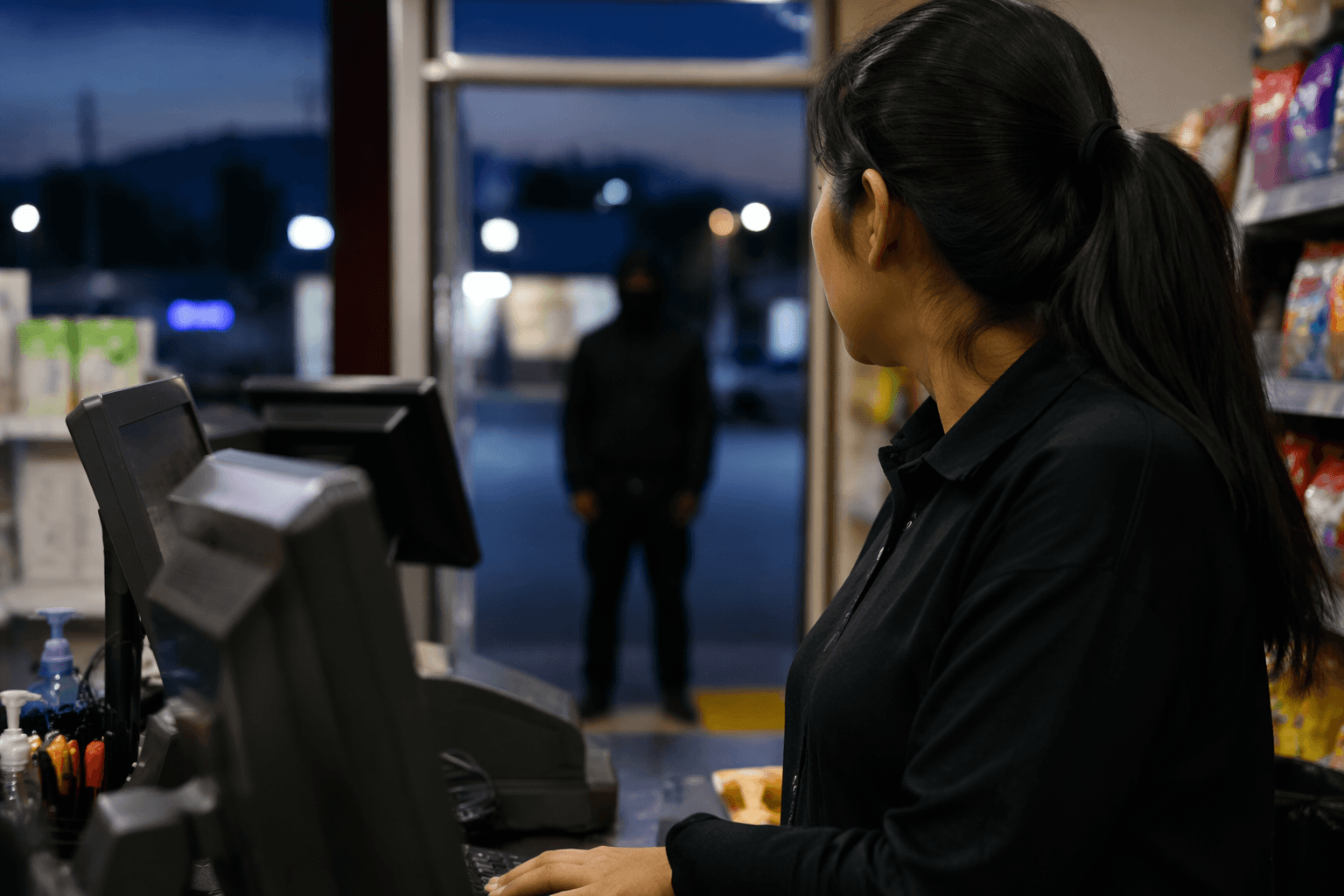
Dollar General stores that run late, handle cash and leave one associate alone on the floor sit squarely inside the risk profile OSHA has flagged for workplace violence. The agency says workers who exchange money with the public and those who work alone or in small groups face higher risk, and its fact sheet says workplace violence remains among the top causes of death in the workplace.
OSHA’s late-night retail guidance says prevention plans have to fit the store, not some other industry’s template. The recommendations call for a clear workplace violence policy, for workers to know that policy, for prompt reporting, and for protection from reprisal when employees report threats or experience violence. OSHA says those controls work best when they are paired with engineering fixes, administrative controls and training that match the hazards of the job.
For Dollar General associates, that means more than a safety poster in the break room. OSHA’s materials point to concrete deterrents that matter in low-staffed stores: interior and exterior cameras, cash register barriers or enclosures, drop safes or other cash management devices, stronger lighting inside and outside the store, and signs telling customers the register holds limited cash. The agency says the late-night retail recommendations, first published in 1998, remain part of its current workplace-violence resources and are advisory rather than a binding standard. OSHA also said those principles were built largely from state laws and guidelines in Florida, Washington and California.
The company’s enforcement history gives those recommendations added weight. In 2024, OSHA and Dollar General entered a corporate-wide settlement aimed at significant workplace safety improvements nationwide. The Department of Labor said the agreement would help create safer environments for thousands of workers. OSHA said in 2023 that since 2017 it had issued more than $15 million in fines and cited Dollar General in more than 180 inspections. Later that year, the Department of Labor said the total had climbed to more than $21 million in proposed fines after 240 inspections.
OSHA has described Dollar General as operating more than 18,000 discount stores in 47 states, a footprint that makes late-night staffing, cash handling and incident reporting central to day-to-day operations. For store associates, the practical test is whether a manager treats a threat, a confrontation or a theft attempt as a reportable event instead of routine retail noise. For district managers, the issue is whether training, staffing patterns and security measures are built into the shift, because OSHA’s guidance makes clear that prevention works before a crisis starts.
This article was produced by Prism’s automated news system from verified source data, official records, and press releases, then run through automated quality and moderation checks before publishing. The system is built and supervised by the people who set the standards it runs under. Read our full AI policy.
Did this article answer your question?