OSHA urges fall-prevention talks for Dollar General stores and warehouses
OSHA’s fall-prevention push started in construction, but for Dollar General workers the real lesson is in the back room: clear aisles, use the right lift, and speak up fast.
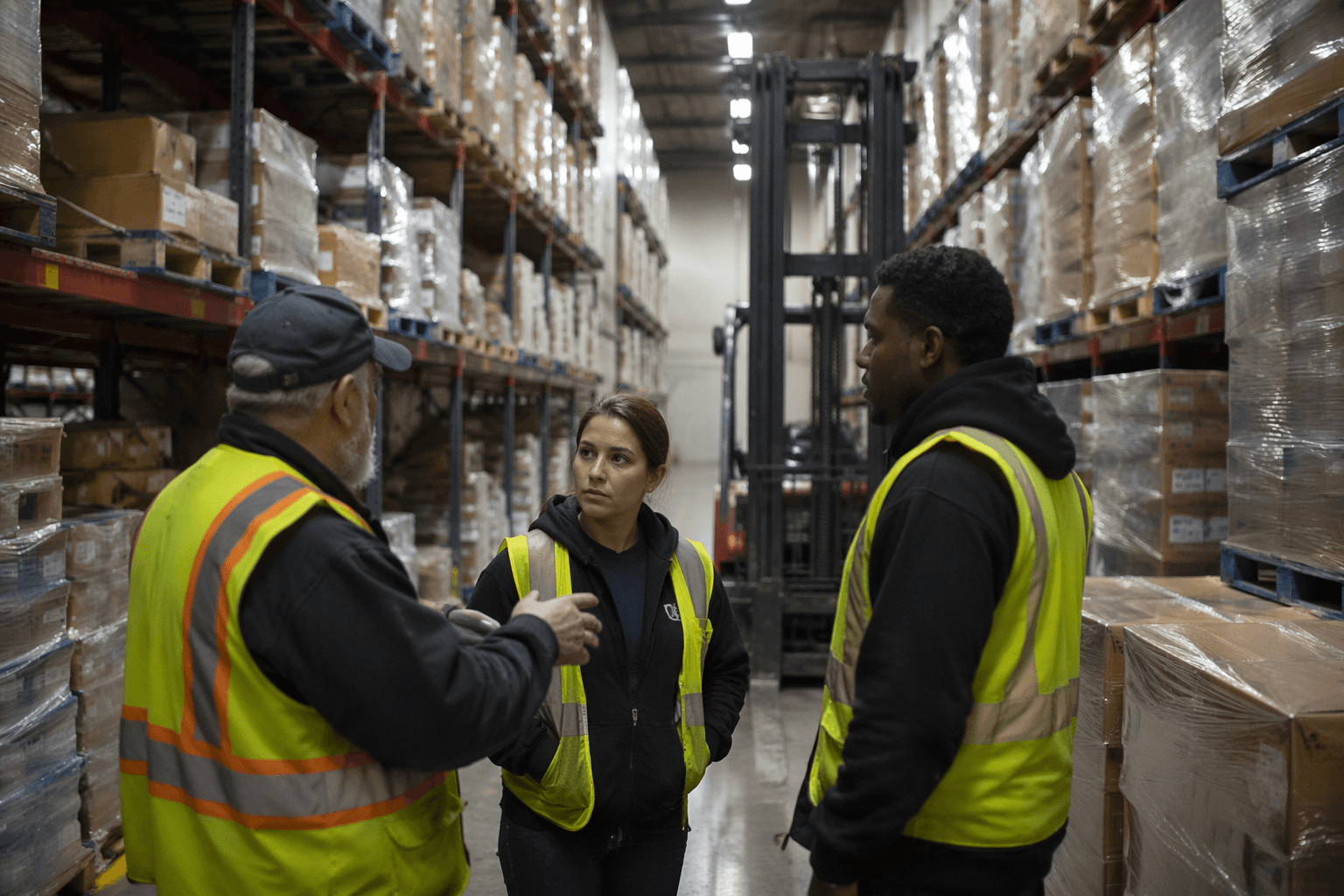
A safer Dollar General shift often comes down to the smallest habits: keep aisles clear, don’t stack freight where it crowds an exit, and stop if a ladder, step stool or pallet move looks rushed. OSHA’s May 20 reminder about fall prevention was aimed at construction, but the agency said any workplace can use a stand-down to talk through hazards and reinforce planning and training before someone gets hurt.
The timing still matters for stores and warehouses. OSHA said falls from elevation caused 389 of 1,034 construction deaths in 2024, a stark reminder that fall hazards remain deadly when workers climb, carry, or work above floor level. In warehousing and storage, OSHA says the common dangers include powered industrial trucks, ergonomics, material handling, hazardous chemicals, slip, trip and fall risks, and robotics. The most common injuries are musculoskeletal disorders from overexertion in lifting and lowering, along with workers being struck by forklifts and other material-handling equipment.

That is the daily reality in Dollar General back rooms, stock areas and distribution centers, where the difference between a normal shift and an injury is often whether someone paused to inspect the space, use the right equipment and call out a blocked path before freight started moving. OSHA’s National Emphasis Program on Warehousing and Distribution Center Operations began inspections on Oct. 13, 2023, adding more enforcement pressure around those hazards. For Dollar General, the issue is not abstract: the company agreed on July 11, 2024, to a corporate-wide settlement with OSHA and the Labor Department that required $12 million in penalties and a set of changes meant to prevent repeat hazards.
Those changes included correcting covered hazards generally within 48 hours, submitting proof of correction, holding annual unannounced compliance audits at covered stores, creating a Safety Operations Center and adding an anonymous hotline for workers and the public. OSHA said the settlement covered blocked exits, access to fire extinguishers and electrical panels, and improper material storage. That matters in a chain that said in its 2025 annual report it operated 20,594 stores as of Jan. 31, 2025, and employed about 194,200 people as of Feb. 28, 2025. A 2024 Labor Department release had put the chain at about 19,000 stores and 28 distribution centers in 47 states with more than 173,000 workers.
Enforcement records show why the reminders land so hard. In 2023, OSHA cited a Dollar General back storeroom exit door that could not be opened from the inside without a key, and another repeat-serious case involved blocked exit routes in a back storage room. For store associates and warehouse crews, the lesson is blunt: planning, training and a clear path out are not paperwork items, they are what keep a rushed freight shift from turning into an injury or a trapped worker.
This article was produced by Prism’s automated news system from verified source data, official records, and press releases, then run through automated quality and moderation checks before publishing. The system is built and supervised by the people who set the standards it runs under. Read our full AI policy.
Did this article answer your question?