OSHA warns heat hazards can hit Dollar General workers year-round
Heat danger in Dollar General stores is not just about summer: back rooms, docks and parking lots can turn dangerous fast, and OSHA says new workers are hit hardest.
Heat is a store problem, not just a summer problem
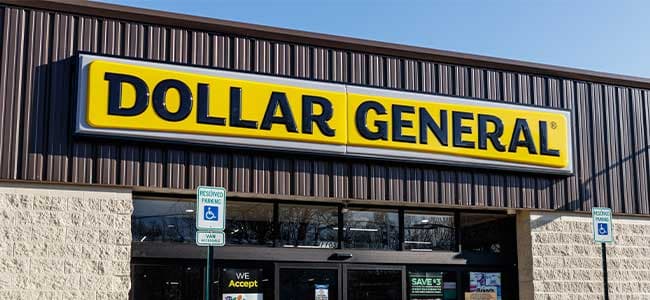
Dollar General workers do not have to be standing in full sun to face a heat emergency. OSHA says hazardous heat exposure can happen indoors or outdoors, during any season, when conditions line up the wrong way, and the agency has been clear that millions of U.S. workers are exposed to heat on the job while thousands get sick every year. For Dollar General, that means the risk can show up in the back room, on the dock during a truck unload, in a loading area, on a parking-lot run, or inside a remodel zone where air flow is poor and the pace never really slows down.
That matters in a company built around speed, lean staffing, and constant movement of freight. When one person is covering registers, stocking, and customer service, there is less room to step away, cool down, or hand off a task before heat stress becomes a safety issue. OSHA’s message is simple: heat illness is preventable, but only if workers and managers plan for it before the shift turns dangerous.
Why the first few hot days hit hardest
OSHA says 50% to 70% of outdoor heat fatalities happen in the first few days of working in warm or hot environments because the body has not had time to acclimate. That detail matters inside Dollar General stores too, especially for new hires, seasonal workers, transferred managers, and anyone returning after time away. A worker who is fine in March can struggle quickly in May or June if freight is heavy, the dock is hot, and the body has not yet adjusted.
This is where the company’s everyday routines become safety issues. A truck unload in a stuffy back room, a push to finish a stock reset before opening, or a remodel crew working around temporary walls can create the same kind of heat load OSHA warns about outdoors. The danger is not limited to a weather report; it is about how long people are working, how hard they are moving, and whether they are getting time to recover.
What OSHA expects employers to build into the workday
The U.S. Department of Labor said on May 8, 2024, that OSHA had moved closer to publishing a proposed workplace heat rule. On July 2, 2024, OSHA announced a proposed rule requiring employers to develop an injury and illness prevention plan for heat hazards, including drinking water, rest breaks, and control of indoor heat. The proposal, published in the Federal Register on August 30, 2024, was projected to protect about 36 million workers in indoor and outdoor jobs if finalized.
That rulemaking matters because it shows heat is no longer being treated as a side issue. OSHA also set a public comment deadline of December 30, 2024, and later said an informal public hearing would begin on June 16, 2025. For workers, the takeaway is practical: good heat protection is supposed to be built into the shift, not left to chance, and not left to the worker who is already sweating through freight.
The most useful habit is the simplest one: drink before you feel thirsty
OSHA’s worker guidance is blunt on hydration. Employees should drink water throughout the shift, even when they are not thirsty, and people working hard and sweating in the heat may need up to 32 ounces of water per hour. That is not a casual suggestion for a long truck day or a summer parking-lot task; it is a warning that thirst is a late signal, not an early one.
In a Dollar General setting, that translates into routine discipline. Drink before the truck comes in, not after the pallet jack is already rolling. Keep water accessible in the back room and during freight breaks. Slow the pace when the work gets physically heavy, and do not wait until you are lightheaded to step out of the heat. If a manager is asking people to power through a stretch with no break, that is the moment to treat the job like a safety problem, not a toughness test.
Where the hottest risk points tend to show up
Dollar General’s heat exposure is often hidden in ordinary tasks. The back room can trap heat during freight handling, especially when doors are open and staff are moving fast. Loading areas and docks can turn punishing during truck unloads, and parking-lot duties can become dangerous when workers are carrying product, pushing carts, or standing in direct sun with little relief.
Remodel and maintenance work deserve special attention because they can leave people stuck in hot conditions for long stretches. If the schedule keeps workers in one heated zone without breaks, that is exactly the kind of workplace-specific risk OSHA says employers should identify in a heat safety plan. The fix is not complicated: rotate tasks, shorten exposure, add water and rest, and make sure new or returning workers are not treated like they are already acclimated.
When heat stops being uncomfortable and starts becoming dangerous
Workers need a response plan, not just a warning label. If someone is cramping, dizzy, unusually weak, nauseated, confused, or seems unable to cool down, stop the task and get them into shade or a cooler area right away. Water should come first, then rest, and if symptoms are severe or the person is disoriented, emergency help is not optional.
That framework should be familiar to managers because it fits the job realities of Dollar General stores. A worker can go from stocking to overexertion quickly, especially if the shift is short-staffed or the store is running with one associate covering too much ground. The right response is to slow the work, rotate the task, and report the condition before it turns into an injury claim or worse.
Why Dollar General’s broader safety record raises the stakes
OSHA’s July 11, 2024 corporate-wide settlement with Dollar General and its retail subsidiaries was designed to drive safety improvements nationwide, with enhanced abatement measures applying to covered U.S. retail stores except pOpshelf stores. That enforcement history does not make every heat problem the same as a citation, but it does show the company has already been under national OSHA scrutiny over store conditions and worker protection.
OSHA records also show Dollar General has previously been cited for unsafe conditions in back storage areas and blocked exit routes. Those are not heat citations, but they point to the same basic truth: the back-of-house parts of a discount store can become dangerous when management treats them as invisible. If heat builds up where exits are blocked, ventilation is poor, or freight is stacked too tightly, the problem stops being theoretical fast.
The bottom line for Dollar General workers
OSHA’s heat guidance is telling Dollar General workers something concrete: do not wait for a heat wave to treat heat like a hazard. The risk is year-round, it is present indoors and outdoors, and it hits hardest when new workers, understaffed shifts, and physically demanding tasks all collide. For associates, the smartest move is to hydrate early, slow down when the work gets heavy, rotate out of the hottest tasks when possible, and raise the alarm when a space, a schedule, or a supervisor is pushing people past safe limits.
This article was produced by Prism’s automated news system from verified source data, official records, and press releases, then run through automated quality and moderation checks before publishing. The system is built and supervised by the people who set the standards it runs under. Read our full AI policy.
Did this article answer your question?