Retail benefits shift toward mental health, flexibility and caregiver support
Dollar General’s benefits now reach into mental health, education and emergency aid. For store teams, the real test is whether those supports are easy to use when shifts and life get messy.
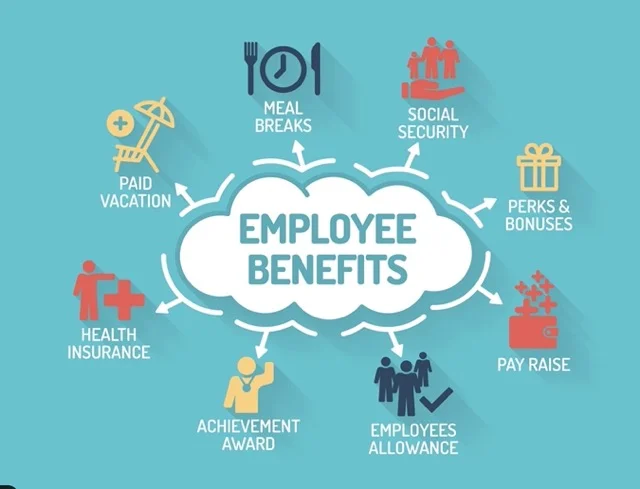
Dollar General’s benefits package is no longer just about medical coverage and a paycheck. The company says employees get day-one benefits, a free digital app for mental health exercises and guidance, and free support through its Employee Assistance Program, including counseling sessions and mental health screenings. For store associates working long shifts, handling customers face-to-face and covering gaps in thin staffing, those details can decide whether a job feels manageable or draining.
Mental health support is now a retention issue
Retail work has become harder to sustain when stores are short on labor and the pressure lands on the people still clocking in. Industry benefits coverage has been blunt about the pattern: high-stress retail jobs can leave workers overwhelmed and burned out, which lowers productivity and raises turnover. That is exactly why Dollar General’s mental health tools matter for the front line, not just for HR brochures.
The company’s employee hub highlights day-one benefits and free access to a digital app for mental health exercises and guidance. Its Employee Assistance Program adds free counseling sessions and mental health screenings, which gives workers a separate route to support when a shift schedule, family issue or customer conflict starts to pile up. In a discount retail setting where rural stores may sit far from the nearest provider, having support tied to the job can be the difference between staying and stepping away.
Education benefits now sit beside pay in the stay-or-leave decision
Dollar General has also used education support as part of its retention strategy for years. In 2017, the company announced a Bellevue University partnership that expanded tuition assistance to all full-time and part-time employees after 30 days of employment. Full-time workers could qualify for up to $8,000, part-time workers for up to $5,250, and immediate family members were also included in the program.
That matters in a company where advancement can feel limited and hourly work does not always translate into a clear career path. Tuition help gives associates a way to build credentials while staying in the job, and the family eligibility widens the value of the benefit beyond one employee’s paycheck. Dollar General and Workforce Edge later announced another education partnership giving full-time employees access to employer-paid degree programs, extending the same idea into degree completion and family education options.
For workers weighing a transfer, a promotion or a move into full-time status, the education piece is not abstract. The best benefit is the one that still works after your hours change, your schedule shifts, or you move from one role category to another.
Emergency aid fills the gaps that retail paychecks cannot
Dollar General also maintains a separate Employee Assistance Foundation, and its scope tells you a lot about the kinds of crises workers face. The foundation helps with funeral expenses, travel assistance to attend a funeral or visit a seriously ill immediate family member, damage or loss of a home from fire or natural disaster, temporary disaster displacement because of a state or federal disaster, and other extraordinary expenses.
That kind of support is easy to miss until a worker has a sudden loss or a family emergency that blows up a week of shifts. In stores where associates are already juggling transportation, child care and unpredictable schedules, one serious event can make a normal workweek impossible. A foundation like this does not replace wages, but it can keep an emergency from turning into a job loss.
The bigger point for Dollar General managers is that these programs only help if workers know they exist and understand when to use them. Emergency aid is often the difference between a short-term crisis and a long-term absence, which is why it functions as a retention tool as much as a charitable one.
Caregiver support is becoming a frontline workplace issue
The rise of caregiver benefits is not happening in a vacuum. Guardian says there are 100 million U.S. adults who function as caregivers, up from 43.5 million in 2015, and that the share of full-time working caregivers grew 37.5% in just two years. NAMI StigmaFree’s workplace guidance adds that more than one in three working caregivers said balancing caregiving with jobs was their biggest source of stress.
Those numbers help explain why mental health access and flexibility now travel together in retail benefits conversations. A cashier covering for an aging parent, a shift lead managing school pickup, or a stockroom worker dealing with a sick child does not experience these as separate issues. The schedule, the stress and the benefit package all collide in the same week.
For Dollar General, that is especially relevant in rural and suburban communities where access to child care, elder care and nearby health services can be limited. Workers are not only looking for insurance coverage; they are looking for whether the employer recognizes that caregiving does not stop when the store opens.
What Dollar General workers should check before counting on a benefit
The fine print matters as much as the headline. A 2021 Dollar General benefits guide for semi-monthly employees said enrollment is time sensitive and points workers to plan materials for eligibility and mid-year changes. That is a reminder that benefits can change with job status, hours worked and enrollment windows, so a transfer, promotion or shift in full-time status can alter what you can actually use.
- whether it starts on day one or after a waiting period
- whether full-time and part-time employees get the same access
- whether hours fluctuations affect eligibility
- whether mid-year changes are allowed
- whether family members are covered under tuition or assistance programs
Before relying on a benefit, check for:
For Dollar General workers, the real question is not whether the company can list a broad menu of benefits. It is whether those benefits are usable on the floor, at the register and in the middle of a family emergency. In retail, that practical test is what separates a benefits package that sounds good from one that keeps a job sustainable.
This article was produced by Prism’s automated news system from verified source data, official records, and press releases, then run through automated quality and moderation checks before publishing. The system is built and supervised by the people who set the standards it runs under. Read our full AI policy.
Did this article answer your question?