Rising import prices add pressure on Dollar General pricing and shelf operations
Import prices are climbing, and Dollar General stores may feel it first in pricing resets, SKU swaps, and tighter shelves. The strain shows up where associates already work hardest: freight, facing, and customer questions.
Import costs are squeezing the shelf before they hit the headline
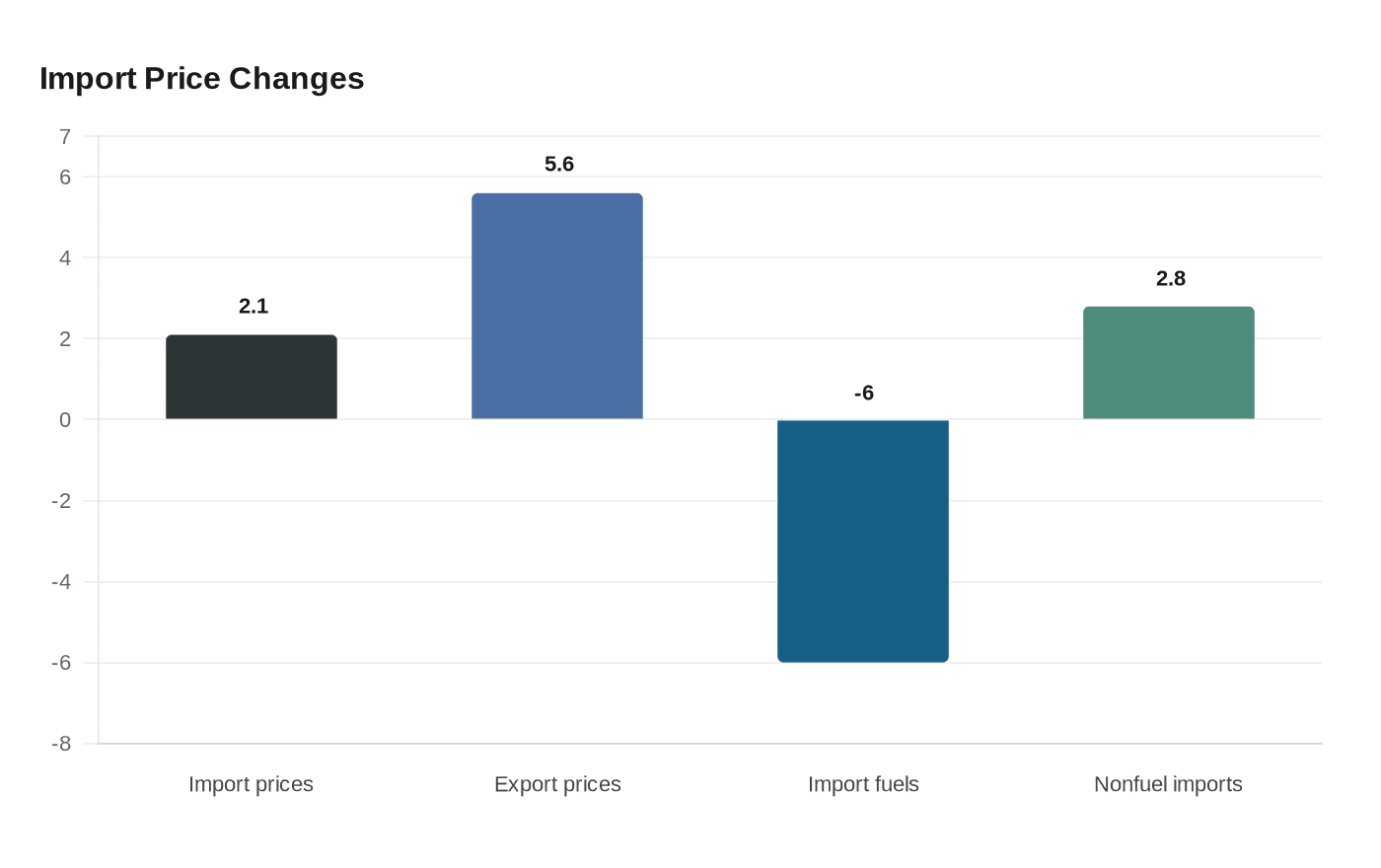
The latest import-price report shows a pressure point Dollar General employees can see on the aisle, not just in a spreadsheet. U.S. import prices rose 2.1 percent over the year ended March 2026, the biggest year-over-year increase since late 2024, while export prices rose 5.6 percent. Even with import fuels and lubricants down 6.0 percent over 12 months, nonfuel import prices still climbed 2.8 percent, which means the cost pressure is broader than gasoline or one volatile category.
That matters in discount retail because Dollar General does not have a lot of room to absorb rising costs quietly. When imported goods get more expensive, the company has to protect margin somewhere, and that can show up as smaller orders, sharper SKU choices, more price changes, or a slower pace of restocking on items that are harder to source. In a store built around low prices and fast turnover, even a modest increase in landed cost can force a decision between keeping a familiar item on shelf and preserving profitability.
Why the report matters to a Dollar General aisle
The report’s mix is important. Fuel prices falling 6.0 percent might sound like a relief, but nonfuel imports rising 2.8 percent tells a different story for general merchandise, consumables, and the mix of packaged goods that move through a Dollar General store every day. That is the kind of pressure that can affect everyday items customers expect to find without thinking twice, from pantry staples to household basics.
For associates, the operational result is often not announced in one big change. It arrives in smaller, repeated shifts: a price label that has to be updated, a product that no longer comes in at the same volume, or a shelf that goes from full to thin because replenishment is slower or more selective. A discount store can handle some of that only by being disciplined on receiving, stocking, and facing, which is why backroom organization becomes a frontline issue instead of an inventory detail.
There is also a direct link between import costs and assortment pressure. If a product is more expensive to source, the assortment team has to ask whether it still earns its space. That can mean tighter planograms, fewer facings, or a replacement SKU that is cheaper to buy but unfamiliar to customers. In practice, employees may be the ones explaining why one brand disappeared while another took its place, even when the decision came from higher up.
What changes on the sales floor
The shelf effects are usually the first place store teams feel the squeeze. More frequent price changes can mean more shelf tags to check, more mismatches between the register and the label, and more customer questions at the exact moment the store is busiest. If the chain is cutting or swapping SKUs to defend margin, planogram adjustments can follow, and that creates more work for the people who are already trying to keep the aisle shoppable.
In stores with lean staffing, those changes land hard. A single associate or a thinly staffed shift does not just stock freight; that person may also be checking dates, straightening displays, handling cashier coverage, and answering price complaints. When imported goods become costlier, the burden does not stay at the corporate purchasing desk. It drops to the level where someone has to explain a missing item, move a substitute into place, and keep the whole endcap looking intentional.
A few operational signs are worth watching:
- more frequent shelf-label updates after a vendor or cost change
- tighter inventories on imported consumables and general merchandise
- quicker SKU swaps when a product becomes too expensive to carry
- more customer questions about why a familiar item costs more or is missing
- heavier pressure on receiving, stocking, and facing to keep value-driven displays looking full
Those are not abstract effects. They are the store-level signs of a company trying to protect its low-price promise while its input costs move in the opposite direction.
How associates can read the pressure early
One of the easiest ways to spot cost strain is to watch for assortment changes that happen faster than customer habits can adjust. When a product is replaced with a lower-cost alternative, shoppers often notice before the signage catches up. That means associates may need to be ready with a simple explanation: the item is being substituted, the pack size changed, or the shelf space was reallocated because supply became less reliable or more expensive.
Another sign is slower replenishment on items that still sell but no longer arrive in the same rhythm. If freight is light in a category that used to turn quickly, the issue may not be demand alone. It can reflect cost pressure upstream, where a retailer is buying more carefully and accepting a narrower assortment to avoid carrying expensive inventory that does not move fast enough.
For store teams, the practical response is discipline. Keep the backroom organized so fast-moving goods can hit the floor quickly. Check price integrity so customers are not met with surprises at the register. Treat shelf maintenance as part of the value proposition, because an empty peg or a messy substitute can make a low-price store look more expensive than it really is.
The larger lesson is simple: rising import prices do not stay in customs data for long. In a Dollar General store, they become price tags, replenishment headaches, SKU cuts, and more conversations with customers who notice when the same box costs more or disappears altogether.
This article was produced by Prism’s automated news system from verified source data, official records, and press releases, then run through automated quality and moderation checks before publishing. The system is built and supervised by the people who set the standards it runs under. Read our full AI policy.
Did this article answer your question?