Teamsters authorize CVS strike over health care cuts, warning retail ripple effects
More than 500 CVS warehouse workers in Fredericksburg voted to strike over health care cuts, a fight that could ripple into stores from Washington to Baltimore.
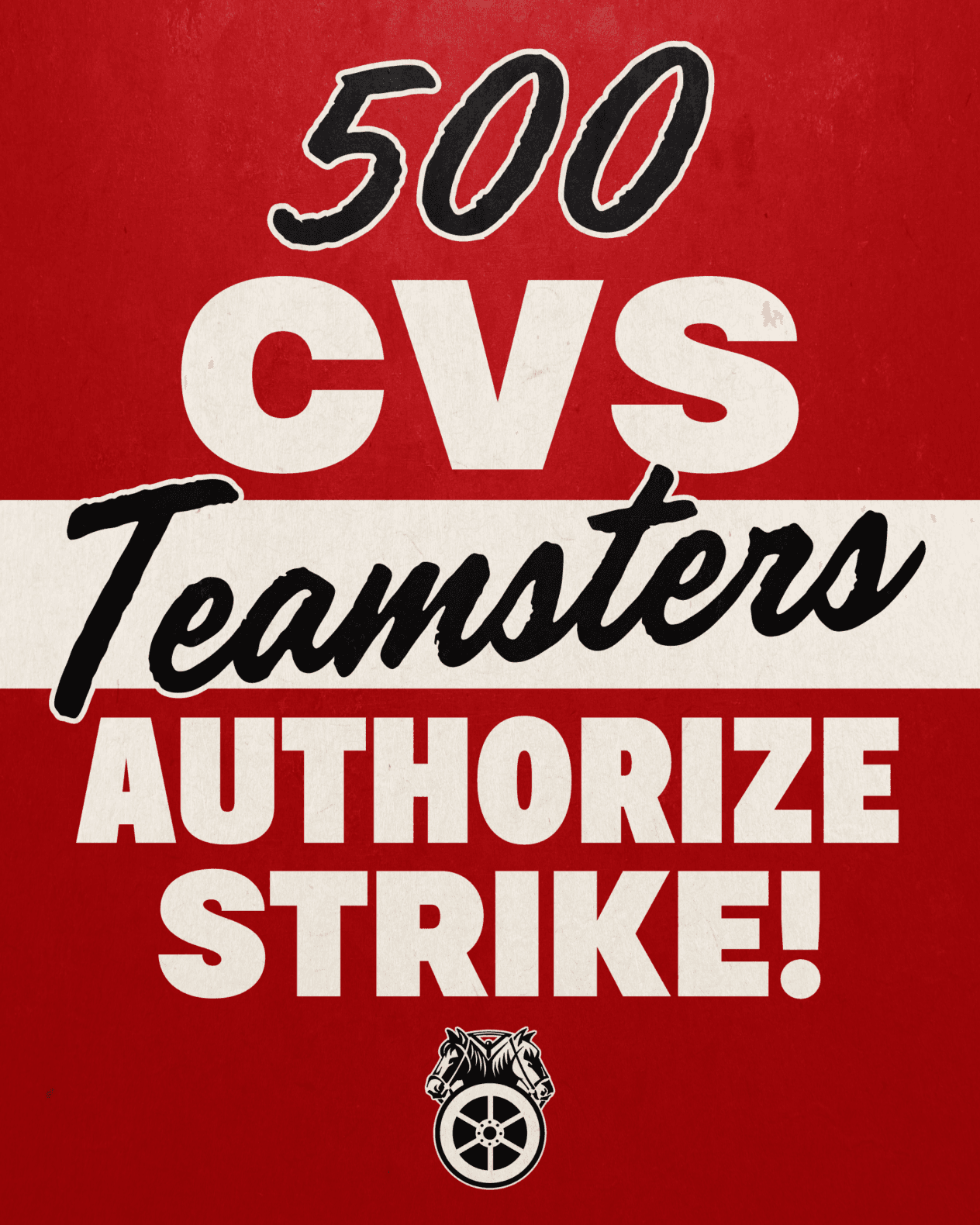
The biggest flashpoint in CVS’s labor talks is not the picket line itself. It is health care. More than 500 drivers and warehouse workers at the company’s distribution center in Fredericksburg, Virginia, voted to authorize a strike after Teamsters said CVS was pressing for cuts to affordable coverage and other core benefits, a move workers can read as a pay cut by another name.
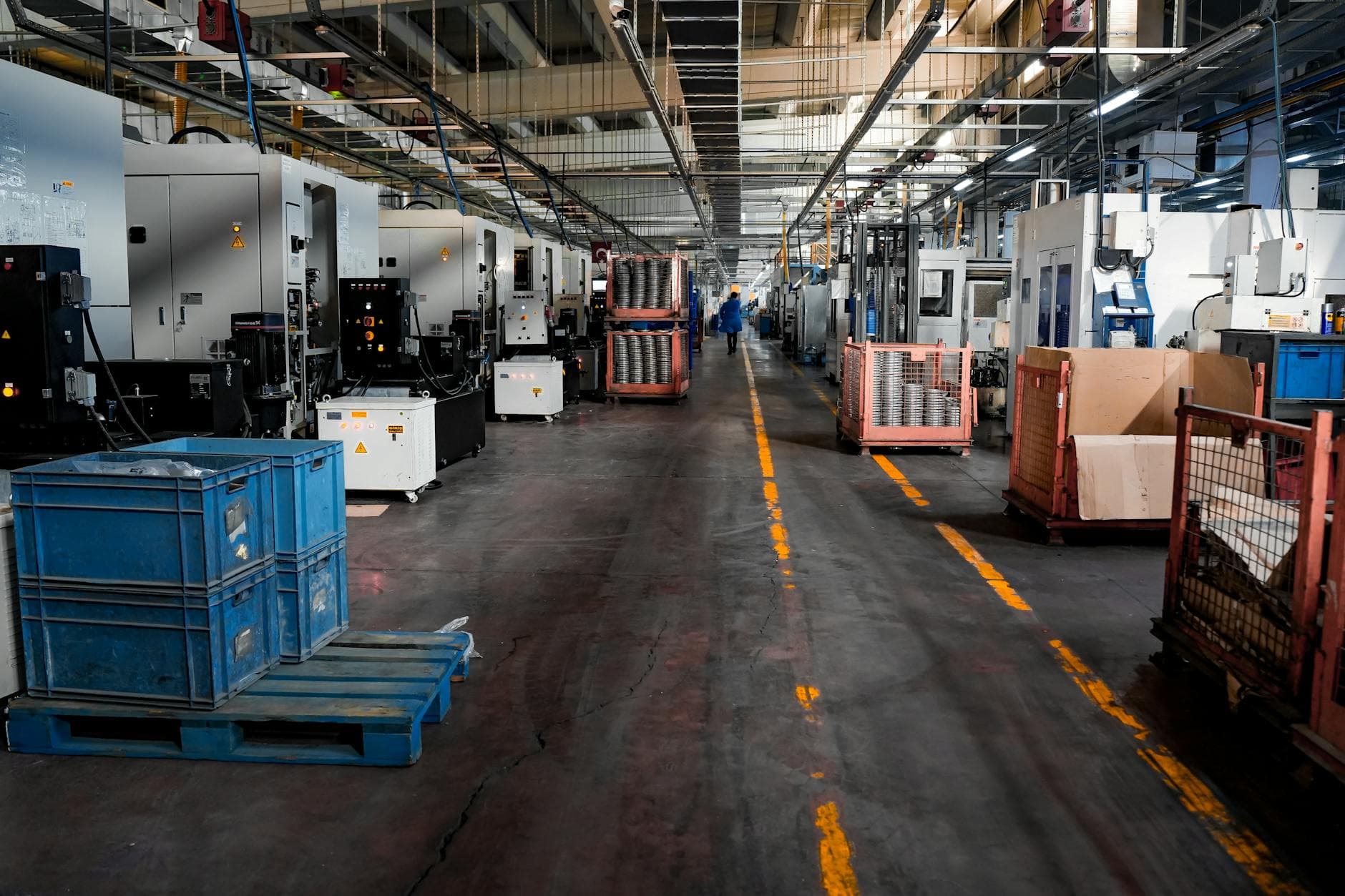
The workers are represented by Teamsters Local 592, and their current contract expires April 30. If no deal is reached, the union has said a strike could begin May 1. The distribution center supplies CVS stores across the Mid-Atlantic, including Washington, D.C. and Baltimore, which means a contract fight in one warehouse could spill quickly into the retail and pharmacy side of the business if shipments slow down.
CVS said a strike was not imminent, that it was in active discussions with the union, and that it had contingency plans to keep stores and pharmacies supplied if operations are disrupted. But the vote itself shows how fast benefit disputes can harden. When workers believe a profitable employer is trying to push more health costs onto them, bargaining can shift from a routine contract negotiation to a credibility test over whether management is asking for concessions or sharing gains.
For Dollar General workers, the lesson is direct. The most consequential changes in an employer plan are often not dramatic headlines but small-sounding shifts that change household budgets fast: higher premium contributions, bigger deductibles, reduced family coverage, narrower provider networks, and weaker sick-leave protections. Each of those can hit take-home pay as hard as a wage freeze, because the money comes out of the same weekly budget, just through insurance bills, medical copays, or unpaid time off instead of the paycheck itself.
The Teamsters have already shown how quickly pressure can work when workers are organized. More than 900 Teamsters at CVS’s La Habra, California, distribution center ratified a four-year contract in May 2025 that delivered a $7.10-an-hour wage increase over the life of the deal, plus $1.50-an-hour increases to pension contributions. That contract also made Martin Luther King Jr. Day a paid holiday, brought outsourced work back in-house, and added limits on surveillance cameras and picket-line protections.
Union leaders have pointed to that win as proof that a credible strike threat can move a company. CVS posted $402.1 billion in revenue in 2025 and nearly $1.8 billion in profits, according to the Teamsters, a scale that helps explain why workers are challenging concession demands so aggressively. For warehouse and retail employees across the industry, the message is simple: benefits are wages, and any attempt to cut them can turn a contract fight into a walkout threat fast.
Know something we missed? Have a correction or additional information?
Submit a Tip