Union push to ban surveillance pricing could reshape Dollar General stores
A push to ban surveillance pricing could force Dollar General to rethink self-checkout, labor hours and who carries the front-end workload.

A grocery-tech bill aimed at surveillance pricing is also a fight over staffing, because the same software that can change shelf prices can change who does the work at the front end. For Dollar General, where thin crews already juggle checkout, stocking, recovery and customer complaints, the real question is whether new technology will arrive with more labor or just more tasks.
The policy debate has sharpened around electronic shelf labels, the small digital price tags that grocery chains such as Walmart and Kroger have been rolling out. Critics say those screens could make it easier to tailor prices to individual shoppers using data such as precise location and browser history, a concern the Federal Trade Commission raised in January 2025. United Food and Commercial Workers International Union has built a 2026 campaign around that threat, while bills in New Jersey and New York have pushed the issue into statehouses. The fight is not just about what shoppers see on the shelf. It is about who controls pricing, monitoring and the pace of work inside the store.
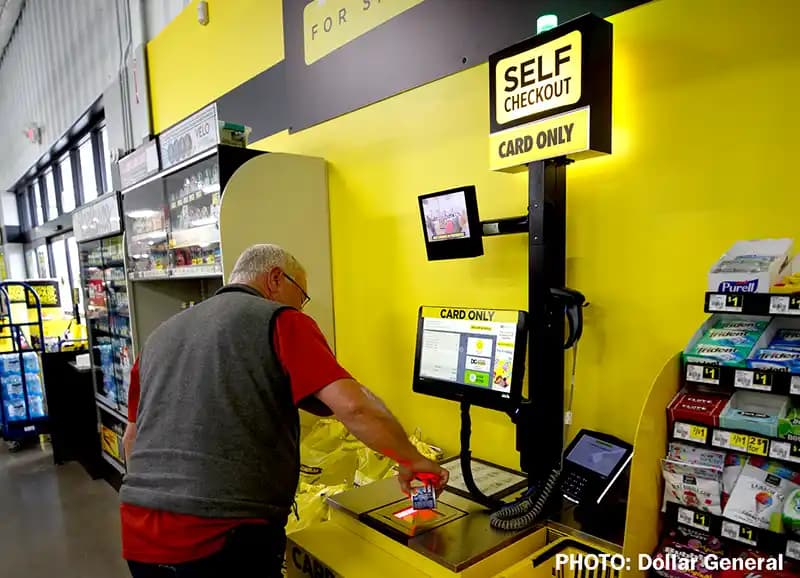
Dollar General has already shown how quickly checkout technology can turn into a labor issue. In 2024, Todd Vasos said the chain would eliminate the vast majority of its self-checkout lanes after using AI to review transaction data and finding that shrink and mis-rings were a major problem. Trade coverage said the company planned to convert self-checkout systems in about 9,000 stores, after more than 14,000 locations had self-checkout before the rollback. About 3,000 stores were switched back to traditional checkout in May 2024.
The company also said it would put $150 million into labor to add staff and support assisted checkout, a sign that Dollar General no longer treats front-end technology as a neutral efficiency play. If surveillance pricing rules force retailers to add guardrails around automation, or to keep more staffed checkout in place, that logic could spread to discount chains where one associate is often expected to do the work of several.
The safety backdrop makes the stakes sharper. On July 11, 2024, the Occupational Safety and Health Administration announced a corporate-wide settlement with Dollar General that required $12 million in penalties and broad changes, including more safety managers, better stocking efficiency and employee safety committees. That settlement underscored how quickly understaffed stores can slide from a customer-service problem into a safety problem. For Dollar General workers, the surveillance pricing fight is another reminder that every new layer of technology has a labor cost, even when the company says it is improving the shopping experience.
This article was produced by Prism’s automated news system from verified source data, official records, and press releases, then run through automated quality and moderation checks before publishing. The system is built and supervised by the people who set the standards it runs under. Read our full AI policy.
Did this article answer your question?