Bank of Japan warns AI investments could pose financial risks
Tokyo’s AI boom is now a risk story: the BOJ is watching cyber exposure, profit disappointment and non-bank leverage as Goldman scales up spending.

The Bank of Japan now treats global AI spending on the same risk dashboard as Middle East shocks and overseas non-bank activity, warning that weak returns on AI projects could feed back into Japan’s financial system as generative AI widens cyberattack exposure. In a June 24 speech read out by Deputy Governor Ryozo Himino, Governor Kazuo Ueda said policymakers must scrutinize the profitability of AI-related investments, Middle East developments and offshore non-bank players, even as the BOJ said Japan’s financial system remained stable overall.
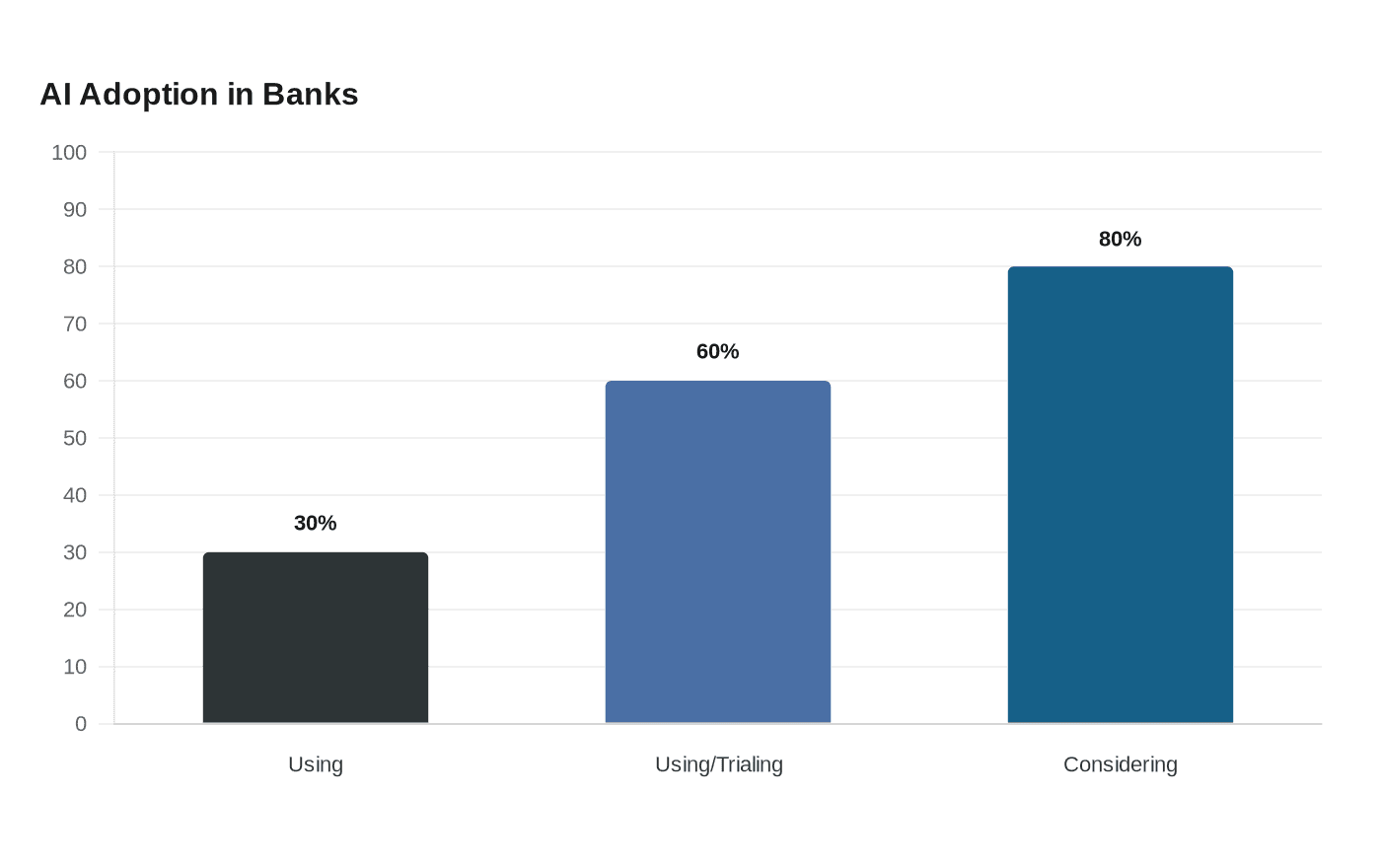
On June 3, Ueda said the environment around economic activity and prices in Japan and abroad had been significantly affected by tension in the Middle East, and in May Japanese financial authorities and the BOJ asked institutions to prepare short-term measures for frontier-AI threats, including criteria for shutting down systems that fail to repel AI-enabled attacks. The BOJ had already said in October 2024 that about 30% of surveyed financial institutions were using generative AI, about 60% were using it or trialing it, and about 80% were considering trial or use.

The Financial Stability Board’s November 2024 report said AI can amplify third-party dependencies, market correlations, cyber risks and model risk, and its June 2026 consultation on sound practices pushed boards and senior management to govern AI-related cyber, ICT and third-party risks while flagging data challenges tied to nonbank financial intermediation.
Goldman Sachs Research said in December 2025 that AI hyperscaler capex could reach about $527 billion in 2026, and in May 2026 it raised its baseline aggregate AI capital expenditure outlook to about $7.6 trillion from 2026 through 2031.
This article was produced by Prism’s automated news system from verified source data, official records, and press releases, then run through automated quality and moderation checks before publishing. The system is built and supervised by the people who set the standards it runs under. Read our full AI policy.
Did this article answer your question?