Goldman Sachs Talks at GS explores Navy SEAL resilience and family support
Goldman used a Navy SEAL Foundation Talks at GS panel to spotlight readiness, family support and pressure-tested leadership, values that mirror its own high-intensity culture.

Goldman Sachs is using its Talks at GS stage to make a point about how elite organizations stay ready under pressure. The June 30 conversation with Navy SEAL Foundation chief executive Robin King and Rear Admiral Keith Davids was not a markets panel, but it was very much about performance: how teams prepare, how families absorb strain, and how institutions build resilience into the work itself.
What Goldman is teaching with this speaker choice
The firm framed the discussion around the unique challenges faced by SEALs and their families, which is a telling choice for an audience of analysts, associates, vice presidents and managing directors. In a bank where live deal work, volatile markets and client demands can make normal hours feel theoretical, Goldman is elevating a version of leadership that treats readiness as a discipline, not a personality trait. That is the real lesson behind a panel like this: performance under pressure is built through routines, support systems and clear decision-making, not just grit.
That message fits Goldman’s broader Talks at GS format, which the firm describes as conversations about leadership, strategy and how business and the economy are changing. Goldman also streams the series on broader platforms, including Hulu, which turns these events into more than internal programming. They become a signal to employees about what kinds of leaders the firm wants to model and what kind of judgment it expects from people who run teams, manage clients and carry a lot of responsibility.
Why the Navy SEAL Foundation belongs in a Goldman conversation
The Navy SEAL Foundation says its mission is to provide critical support for the warriors, veterans and families of Naval Special Warfare. It organizes that work around four pillars: Community, Health, Education and Legacy. That structure matters because it shows resilience as an operating system, not a slogan. Support is not limited to one-off aid; it includes the family, the child, the scholarship recipient, the recovering veteran and the long tail of needs that come with service.
The foundation’s current impact figures make that concrete. In 2025, it says it provided 28,877 childcare hours, sent 820 NSW kids to summer camps, awarded 560 scholarships, fulfilled 1,253 warrior care requests and invested $27.6 million in the NSW community. It also says 94 cents of every dollar donated funds current or future programs, and that it has held a Charity Navigator 4-star rating since 2009 with a perfect score since 2014. Those numbers do more than prove scale. They show a system designed to keep families functioning while service members are stretched by uncertainty, deployment and constant readiness.
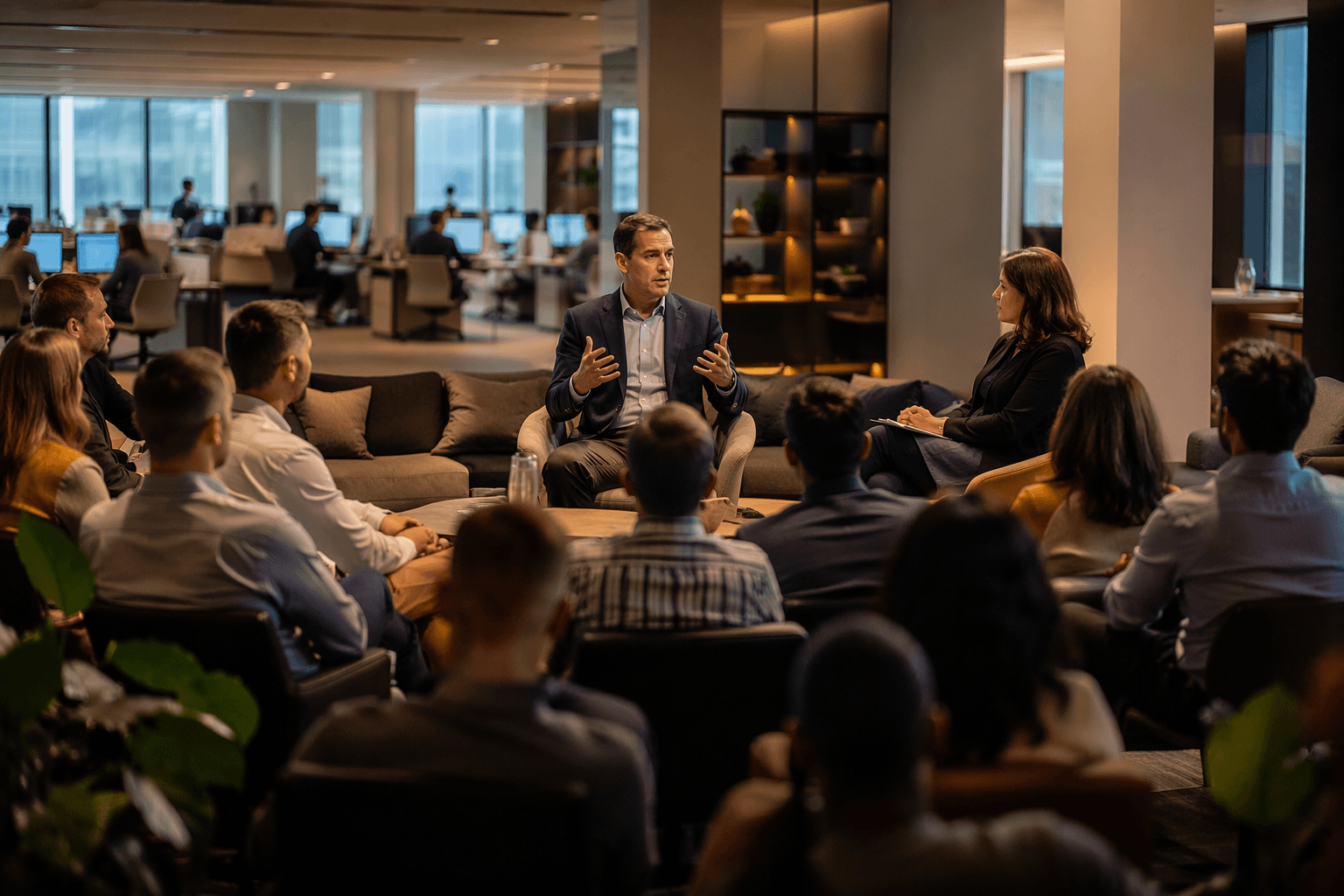
For Goldman employees, that is the closest parallel to what high-performing teams need inside the bank. The SEAL model is extreme, but the logic is familiar: when the workload spikes, the people around the work matter just as much as the people doing it. A deal team, trading desk or coverage group cannot sustain output if the support structure breaks down. The foundation’s emphasis on family support makes that connection impossible to miss.
Robin King’s role and the infrastructure behind it
Robin King has led the foundation since she was appointed chief executive officer on May 23, 2013. At the time, the foundation said the role was part of a restructuring intended to improve responsiveness to the NSW community and families. That detail matters because it shows the organization was built around speed and proximity, not bureaucracy. It also helps explain why King later relocated from Virginia Beach to Coronado, California, so she could be closer to NSW leadership and better aligned with West Coast commands, Hawaii and the East Coast.
That geographic move is more than an administrative footnote. It reflects the same management principle Goldman often prizes in its own most demanding roles: be close to the action, shorten the distance between the issue and the decision-maker, and build enough institutional awareness to respond quickly. In a firm that often rewards people who can operate with urgency and judgment, that is a recognizable form of leadership.
The foundation also pointed to a Parents’ Wellness Weekend in Coronado in March 2026 for more than 80 Gold Star and surviving family members. That program offers a rare, visible example of how support is translated into practice: not just financial assistance, but time, care and a setting built around the needs of families living with loss and service-related strain. It is the kind of concrete programming that makes the foundation’s mission legible.
Why Goldman keeps returning to military leadership
This is not the first time Goldman has used Talks at GS to feature military and special operations figures. The firm has previously hosted William McRaven, Eric Olson, Britt Slabinski, Florent Groberg and Chris Cassidy, the former Navy SEAL who is now president and chief executive of the Medal of Honor Museum Foundation. The pattern is consistent: Goldman returns to people whose careers were defined by pressure, coordination and consequence.
That consistency suggests the firm sees military leadership as more than an inspirational detour from business. It is a framework for talking about discipline, team coordination and judgment when the stakes are high. For Goldman, where prestige, compensation and career mobility still matter, those themes sit alongside the hard realities of long hours, constant responsiveness and the pressure to perform without visible error. Talks like this are one way the firm tells employees that its view of leadership reaches beyond revenue generation and into how people behave when systems are stressed.
What it means inside Goldman Sachs
For people inside Goldman, the most relevant part of the conversation is not the SEAL branding. It is the model of resilience being promoted. The bank is pointing managers and high-intensity teams toward a version of leadership built on readiness, family support and recovery under pressure. That has practical meaning in a workplace where the ability to absorb shocks can shape staffing, promotion, client trust and long-term career trajectory.
The deeper message is that resilience is part of performance infrastructure. Teams do not stay effective because people simply tough it out. They stay effective because leadership, support and preparation are treated as essential inputs. Goldman’s choice of speakers makes that case without saying it outright, and that is why the panel matters to the people who work there.
This article was produced by Prism’s automated news system from verified source data, official records, and press releases, then run through automated quality and moderation checks before publishing. The system is built and supervised by the people who set the standards it runs under. Read our full AI policy.
Did this article answer your question?