FDIC proposes stablecoin compliance rules as Goldman eyes payment rails
The FDIC is pushing stablecoins into bank-grade compliance, raising the bar for any Goldman effort in payments, tokenization, or digital rails.
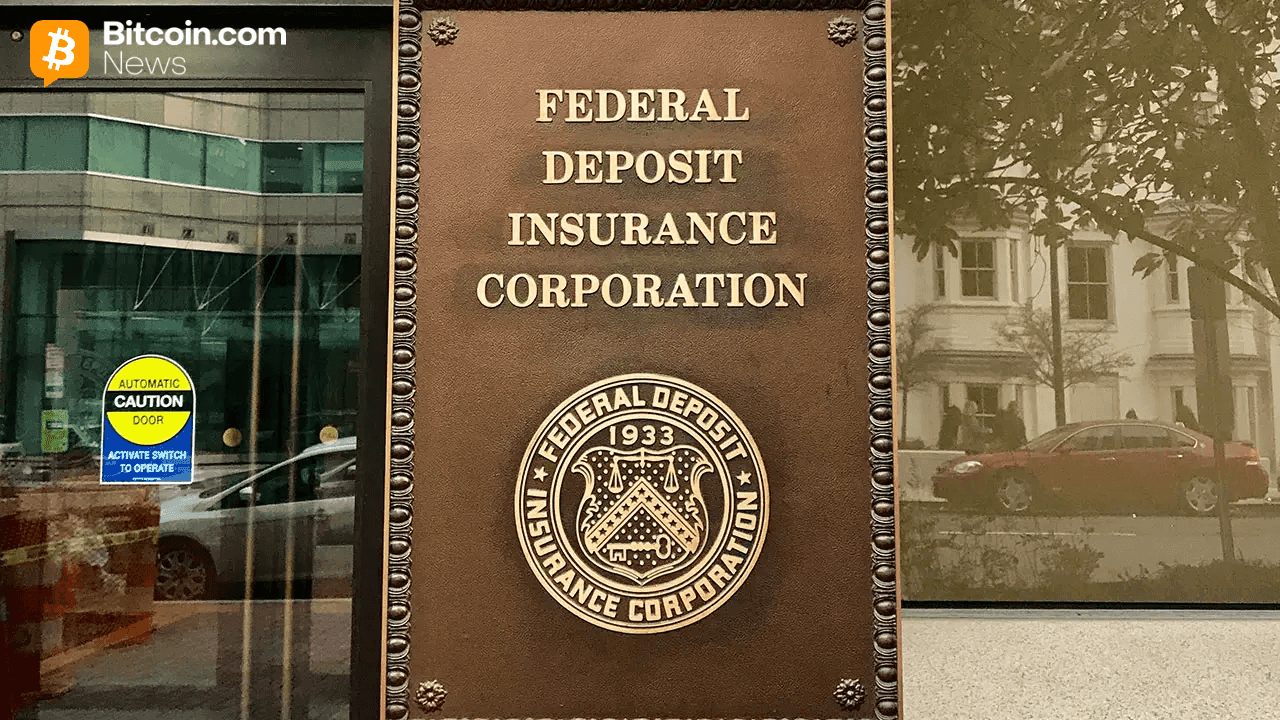
The FDIC is moving stablecoins out of the gray zone and into bank-style supervision. On May 22, the agency’s board approved a proposed rule that would set Bank Secrecy Act and sanctions-compliance standards for FDIC-supervised permitted payment stablecoin issuers, a clear sign that digital-asset oversight is becoming an operating issue, not just a policy debate.
The proposal sits inside the implementation of the GENIUS Act, which became law in 2025 and created the first national framework for payment stablecoins. It also follows the FDIC’s April 7 proposal under the same law, which covered reserve assets, redemption, risk management, capital and deposit-insurance clarity for reserves held at FDIC-supervised institutions, including tokenized deposits. A separate joint proposal from Treasury, FinCEN and OFAC, published in the Federal Register on April 10, set out anti-money-laundering and sanctions-compliance requirements for permitted payment stablecoin issuers.

For Goldman Sachs, the significance goes well beyond crypto desks. The proposal reaches transaction banking, compliance, risk, operations and legal, especially any team working where payments, settlement and digital assets overlap. The message from Washington is blunt: if stablecoins are going to sit on regulated payment rails, the issuers will need the same basic controls banks already live with, including customer due diligence, suspicious activity monitoring, sanctions screening, governance and audit-ready procedures.
That creates both room and friction. Clearer rules should make it easier for institutional clients and bank partners to design products and move toward distribution. But the same rules also raise the baseline for documentation, monitoring and control design. For a firm like Goldman, that means stablecoins look less like a lightweight fintech experiment and more like a conventional regulated business with bank-grade oversight from the start. That is not a small shift for teams already balancing deal flow, risk appetite and the pressure of 80-hour weeks.
Goldman has already signaled that it sees the field as strategically relevant. In its 2025 “Stablecoin summer” discussion, Goldman Research said the topic had implications for payment and banking systems, financial markets and financial stability. In January 2026, chief executive David Solomon described stablecoins and tokenization as strategic priorities. One Goldman-related market summary put the global stablecoin market at about $270 billion, while late-2025 reporting said several major banks, including Goldman Sachs, were exploring stablecoin-like digital money focused on G7 currencies.
The FDIC’s move suggests that any bank-adjacent play in stablecoin infrastructure will be measured not by speed alone, but by how quickly it can meet the compliance threshold of a traditional regulated institution. For Goldman, that is the real convergence story: the rails may be digital, but the gatekeepers are still banking regulators.
This article was produced by Prism’s automated news system from verified source data, official records, and press releases, then run through automated quality and moderation checks before publishing. The system is built and supervised by the people who set the standards it runs under. Read our full AI policy.
Did this article answer your question?