Fed sets June 24 date for bank stress tests, Goldman eyes capital signal
June 24 could reset Goldman’s capital math, shaping buybacks, dividends and balance-sheet room for the rest of 2026.
Goldman Sachs is heading into a key capital checkpoint on June 24, when the Federal Reserve will release its 2026 bank stress-test results at 4 p.m. EDT. For Goldman employees, the number to watch is not just pass or fail, but what the test says about capital headroom, deal-making flexibility and how aggressively the firm can return cash to shareholders.
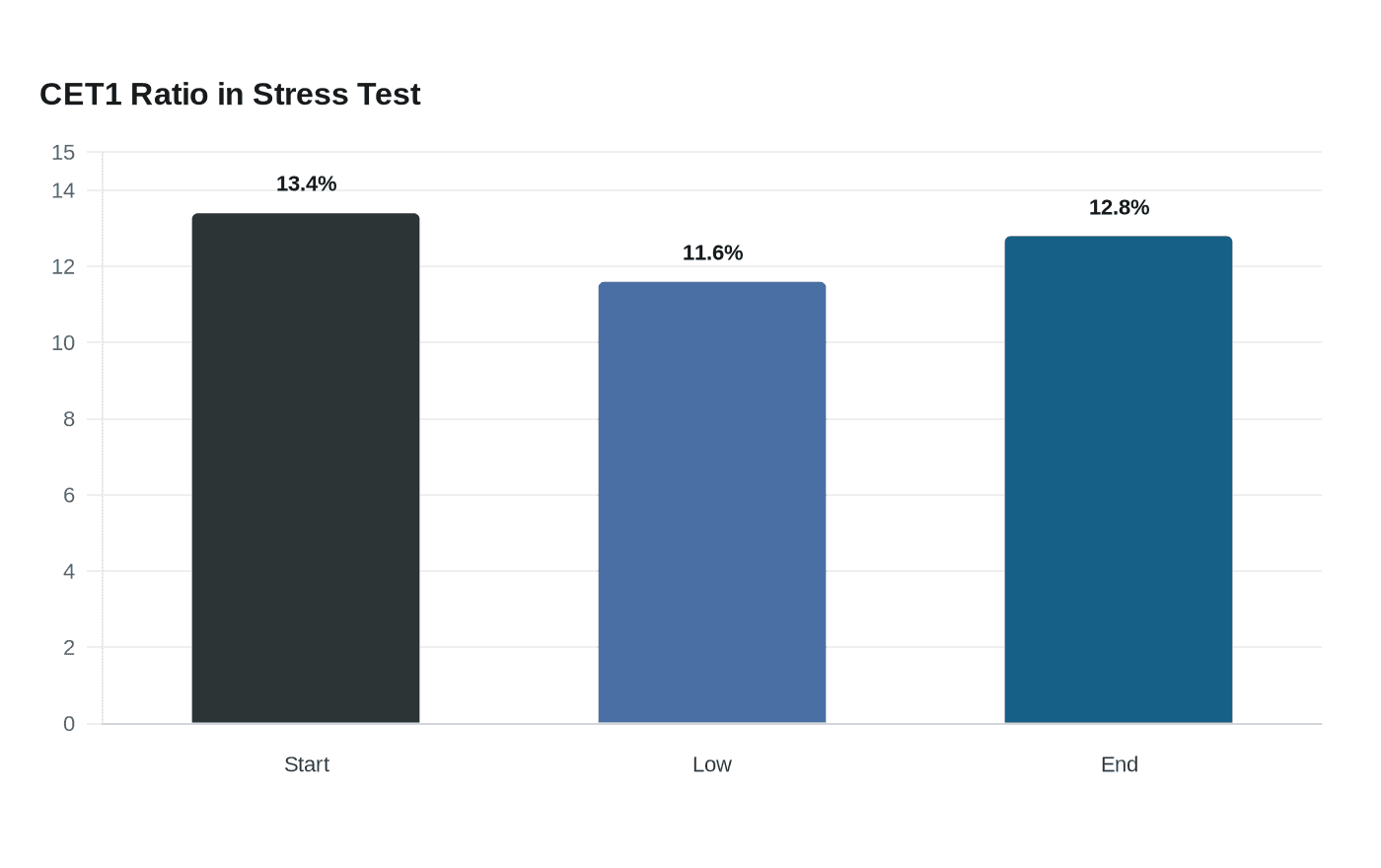
The Fed uses the annual stress test to judge whether large banks have enough capital to absorb losses and keep lending through a severe recession. In 2025, the test covered 22 large banks and projected roughly $550 billion in aggregate losses, yet the firms were still expected to remain above minimum capital levels. The aggregate common equity tier 1 ratio fell from 13.4% to a low of 11.6% before recovering to 12.8% by the end of the nine-quarter horizon. That framework matters because it sets the tone for how regulators think about risk, resilience and the amount of balance-sheet strain Wall Street can carry.

Goldman is expected to be part of this year’s supervisory review, and the June 24 release will land inside the normal capital-planning calendar that also points to preliminary stress capital buffer notices by June 30 and final notices by August 31. Last year, Goldman said it expected a 3.4% stress capital buffer, which translated into a 10.9% standardized CET1 requirement effective October 1, and it later raised its common stock dividend by 33%. That is why traders, finance teams and desk heads will study not only Goldman’s own result, but also how it compares with peers on capital efficiency and room for buybacks.
For Goldman’s front office, the stakes are practical. More capital flexibility can support underwriting, trading inventories and larger client commitments; tighter results can force a more selective stance just as senior bankers are pushing for growth and better returns. For risk, treasury and regulatory-reporting teams, the release is another annual reminder that capital planning is now a live part of strategy, not a back-office exercise. The Fed’s broader push to improve stress-test transparency, including a proposal to average results over two years to reduce volatility in capital requirements, adds another layer to the message. If June 24 shows resilience, Goldman can lean into expansion. If it does not, the conversation inside the firm will shift quickly toward discipline.
This article was produced by Prism’s automated news system from verified source data, official records, and press releases, then run through automated quality and moderation checks before publishing. The system is built and supervised by the people who set the standards it runs under. Read our full AI policy.
Did this article answer your question?