Federal Reserve agencies remove reputation risk from bank supervision guidance
Federal regulators removed reputation risk from 15 guidance documents, shifting Goldman compliance talks toward measurable credit, legal, and operational risk.

Federal bank regulators stripped additional references to reputation risk from 15 interagency guidance documents on June 2, a move that pushes supervisory conversations at Goldman Sachs and other large banks toward harder-edged questions about financial, legal, and operational exposure.
The Federal Reserve Board, the FDIC and the OCC said the revised language is meant to be more precise and more closely tied to material risks. For Goldman employees in legal, compliance, risk and front-office leadership, that means exam discussions may increasingly turn on documented counterparty credit, market, liquidity, underwriting and operational controls rather than broad concerns that a client, product or transaction could draw criticism simply because it looks controversial.
That shift matters inside a firm like Goldman, where decisions on market-making, wealth, asset management and complex financing already move through multiple approval layers. A banker pitching a client relationship or a new product is less likely to hear reputation risk used as a stand-alone reason to slow a deal, but the removal of that language does not loosen the bank’s obligation to show strong controls. It changes the framing, not the pressure. Compliance teams still need to justify why a relationship is acceptable, risk committees still need clean documentation, and business heads still need to show that legal and conduct issues have been addressed.
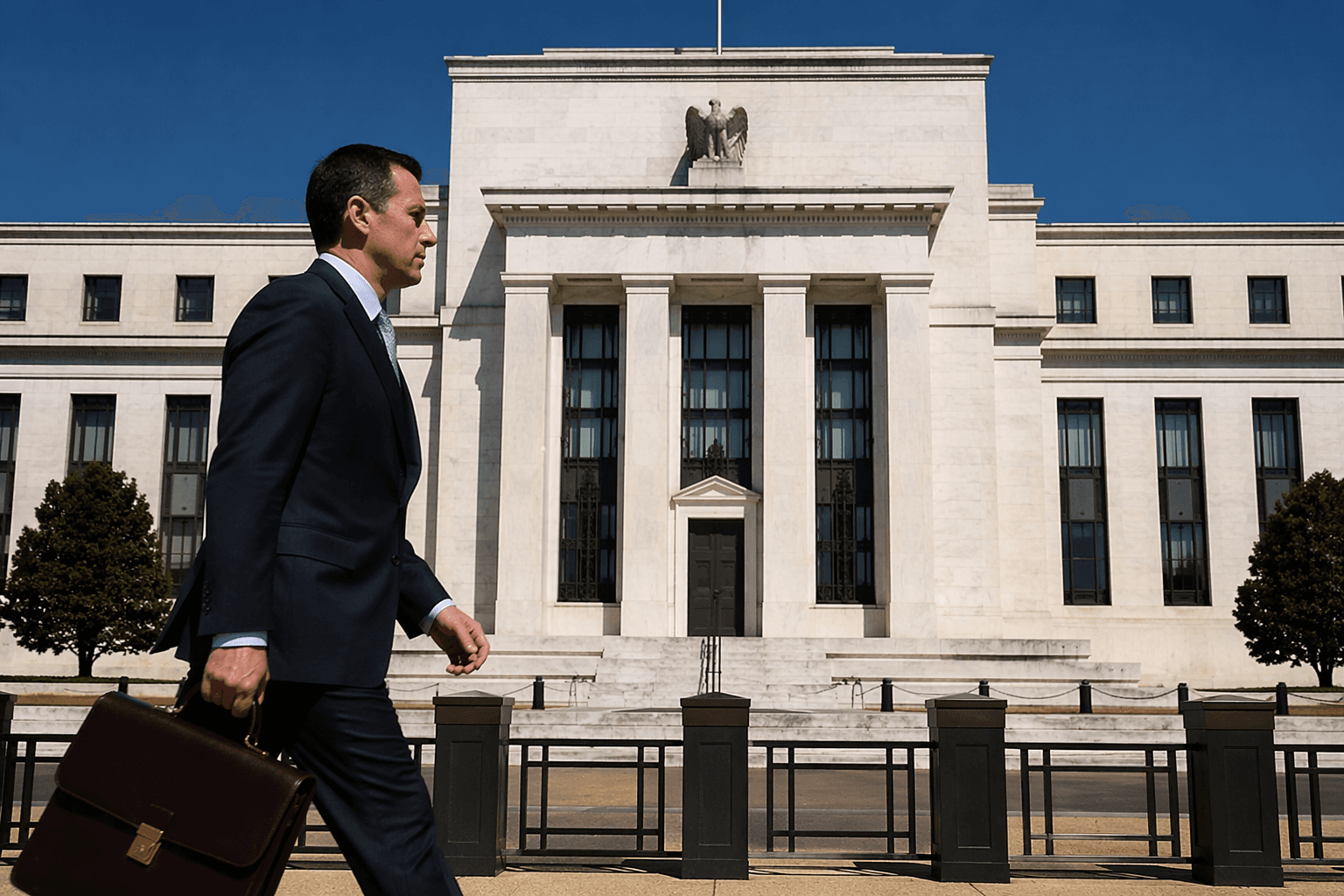
The regulators linked the change to an earlier unwind that began in February and accelerated in April. On Feb. 23, the Federal Reserve proposed removing reputation risk from its supervision framework. On April 7, the OCC and FDIC issued a final rule codifying the elimination of reputation risk from their supervisory programs, with the OCC saying the rule would take effect 60 days after publication in the Federal Register. The June 2 cleanup followed that rule and reissued the guidance so the supervisory manuals and documents line up with the new framework.
The agencies said reputation risk could be used to pressure banks into restricting lawful businesses or individuals from financial services, including on the basis of constitutionally protected political or religious beliefs, speech or conduct. For Goldman employees, the practical payoff may be less ambiguity in day-to-day escalation conversations and fewer cases where a concern must be translated into a reputational narrative to get traction. But the core expectation remains unchanged: if a business line cannot show sound risk management and compliance with law and regulation, regulators can still push back hard.
This article was produced by Prism’s automated news system from verified source data, official records, and press releases, then run through automated quality and moderation checks before publishing. The system is built and supervised by the people who set the standards it runs under. Read our full AI policy.
Did this article answer your question?