Goldman Sachs alum says oil investors are fleeing amid policy uncertainty
Oil is tightening in the tankers and tanks, but Brent traders are still backing away. Jeffrey Currie says policy chaos, not fundamentals, is keeping capital on the sidelines.

Investors are pulling money out of oil even as the physical market tightens, and Jeffrey Currie says that gap is the story. The former Goldman Sachs commodities chief calls it “capital aversion,” arguing that policy uncertainty has made crude too volatile to hold just as global stocks are drawing at 5 million to 6 million barrels a day.
Brent crude futures open interest has fallen nearly 17% year to date, the fastest decline since at least 2009, according to LSEG data. Currie said in a June 10 post on X that “policy uncertainty has made oil too volatile to hold” and that the 2026 decline in open interest was “the worst on record.” His point was that this is not 2022, when rates shocks and sanctions forced money out of the market. This time, investors are choosing to leave.
That retreat has come while the physical backdrop keeps tightening. Reuters reported oil fell nearly 3% on June 12 to its lowest in nearly two months after President Donald Trump called off threatened new strikes on Iran and said a deal to end the war was close. But the same conflict has already constrained exports from the Middle East through the Strait of Hormuz, keeping barrels tight even as financial participation drops. One senior trading-desk executive told Reuters investors were “exhausted by this chaos” and could not trade futures when the messaging changes “every other hour.”
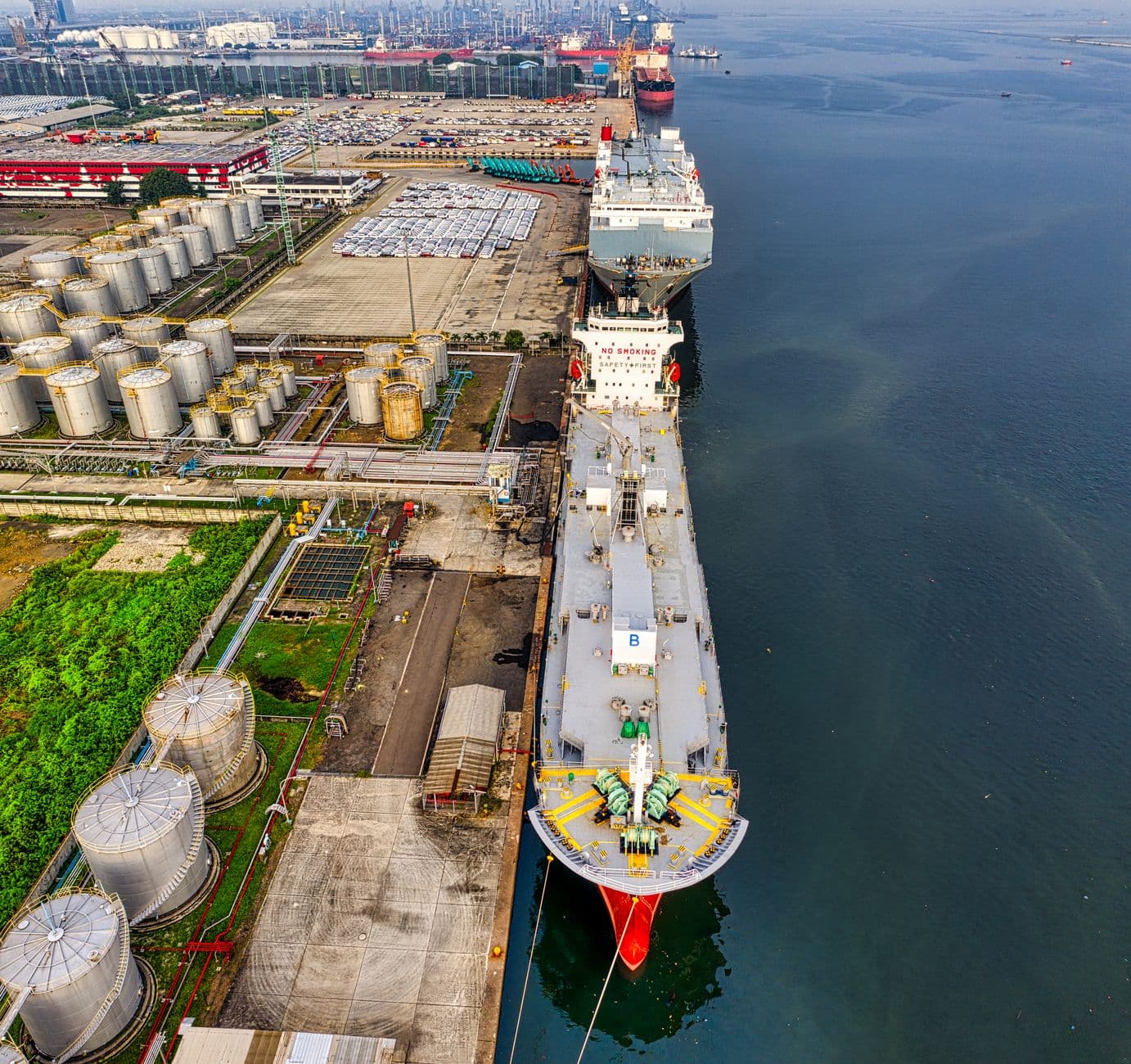
Currie has been warning for weeks that the squeeze is moving from theory into delivery. On May 25, CNBC reported him saying Asia’s oil market was already near “minimum operating levels,” Europe could follow within about a month, and the United States could face problems by July. He also said headline inventory data can overstate usable supply because some stored oil is needed to keep pipelines and storage systems operating safely. CNBC added that diesel had moved above jet fuel in Singapore, a sign that product markets were already straining.
The International Energy Agency has been sounding a similar alarm. In early June, it warned global oil inventories could hit critical or historically low levels before the Northern Hemisphere summer demand peak if stock draws continue. Fatih Birol, the agency’s executive director, said on May 21 that markets could enter a “red zone” by July or August if conditions do not improve.
For Goldman readers, the decision point matters as much as the thesis. Capital is unlikely to come back just because supply looks tight. It would take clearer policy, steadier price action, or inventory rebuilding to persuade investors that crude can be held without getting whipsawed by the next headline. Until then, Currie’s message is that the market may be physically short, but it is still financially underowned.
This article was produced by Prism’s automated news system from verified source data, official records, and press releases, then run through automated quality and moderation checks before publishing. The system is built and supervised by the people who set the standards it runs under. Read our full AI policy.
Did this article answer your question?