Goldman Sachs Ayco says retirement savings are squeezed by rising costs
Goldman’s latest Ayco survey says workers may feel on track for retirement while still expecting to outlive savings, a warning that pay is being squeezed by life-stage costs.
Goldman Sachs Ayco is pressing a harder question than whether employees are saving enough for retirement: whether compensation is keeping up with the rest of life. In its Retirement Reality Check, published April 22, Goldman said debt repayment, caregiving, education costs and household bills are crowding out long-term savings, even before many workers get to the point of thinking seriously about retirement.
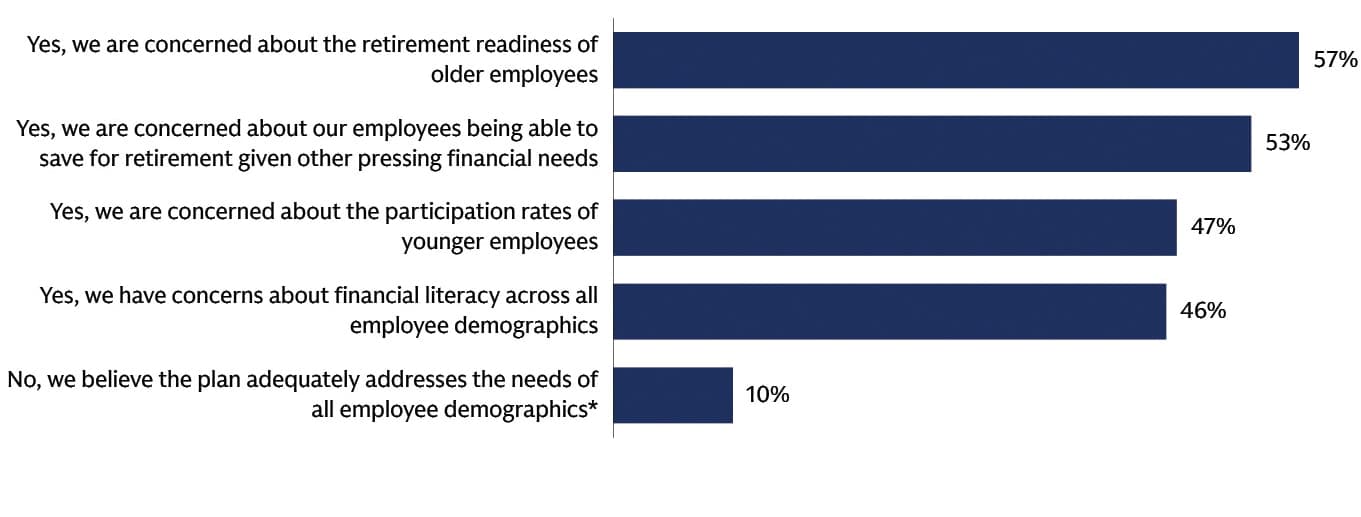
The tension shows up in the numbers. Goldman surveyed 250 chief human resource officers at employers offering 401(k) or 403(b) plans, along with more than 5,000 working and retired individuals. Companies estimated a median 33% of employees are on track for retirement. Yet 68% of working respondents said they are on or ahead of schedule, and 58% of those same workers still said they believe they will outlive their savings. That gap is the report’s central warning: confidence is not the same as readiness.

For Goldman employees, that disconnect lands squarely in the center of the firm’s total compensation conversation. Base pay and bonus still matter, especially across a year when bonus cycles, work demands and exit opportunities shape how people judge the job. But the report suggests a broader test is taking hold. If workers at strong-paying employers still feel stretched by debt, caregiving and education expenses, then retirement contributions, employer matching, investment selection and emergency liquidity start to look less like benefits and more like part of pay.
Goldman’s broader retirement research has been pushing in the same direction. Its 2025 Retirement Survey & Insights Report, based on 5,102 people surveyed in July 2025, found 42% of younger working respondents living paycheck to paycheck and 74% saying competing financial priorities made saving for retirement harder. Goldman projected that share of paycheck-to-paycheck workers could rise to 55% by 2033 and 65% by 2043. In its 2024 report, more than 60% of working respondents still expected to delay retirement because of competing priorities, while 77% said retirement investing and advice were the employer services they wanted most.
The firm’s benefits work points in the same direction. Goldman’s 2025 Benefits and Compensation Trends Report, based on more than 400 corporate partners, highlighted retirement-plan optionality, managed accounts and other voluntary benefits as employers respond to healthcare costs, parental leave, PTO conversion and broader household pressures. Sara Naison-Tarajano was named head of Goldman Sachs Ayco on March 19, as the business, which traces its roots to 1971 in Saratoga Springs, New York, kept emphasizing workplace financial planning. For Goldman staff, the message is blunt: retirement readiness is increasingly a proxy for whether total rewards can survive real life.
This article was produced by Prism’s automated news system from verified source data, official records, and press releases, then run through automated quality and moderation checks before publishing. The system is built and supervised by the people who set the standards it runs under. Read our full AI policy.
Know something we missed? Have a correction or additional information?
Submit a Tip