Goldman Sachs banker exits after clash over David Solomon adviser decision
Russell Horwitz is leaving Goldman after objecting to David Solomon’s decision to keep Kathryn Ruemmler as an adviser, turning a personnel move into a governance fight.
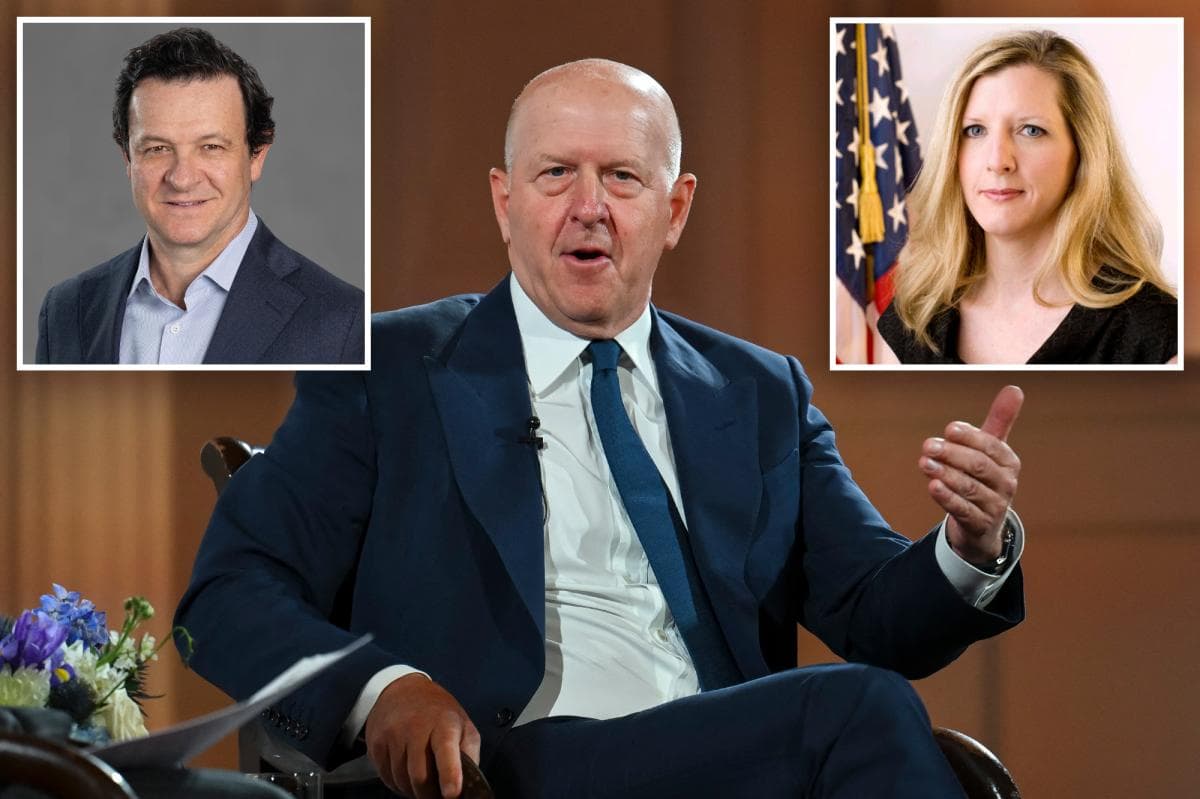
Goldman Sachs is losing one of David Solomon’s closest aides after a dispute over whether Kathryn Ruemmler should remain in an advisory role while Epstein-related scrutiny intensified. The exit of Russell Horwitz, Goldman’s outgoing chief of staff, has turned what might have been a routine transition into a test of how much room the bank gives senior staff to push back when reputational risk collides with the chief executive’s judgment.
Horwitz had been raising concerns for months about Solomon’s support for Ruemmler, according to reporting on the matter. Goldman announced on May 26 that Horwitz would leave at the end of June and become an advisory director, ending nearly two decades at the bank. He joined Goldman in 2004 as a speechwriter for then-chief executive Hank Paulson and later served as chief of staff under Lloyd Blankfein, making him one of the firm’s most seasoned internal operators.

The fight matters because Ruemmler was not a peripheral adviser. Goldman’s leadership page lists her as chief legal officer and general counsel, chair of the firmwide conduct committee, co-vice chair of the firmwide reputational risk committee and a member of the firmwide enterprise risk committee. She announced in February that she would leave Goldman effective June 30, after the U.S. Department of Justice released more than 10,000 documents in January that mentioned her relationship with Jeffrey Epstein. Those records were said to include emails showing she advised Epstein on legal and press strategy, accepted gifts and discussed personal matters.
Solomon initially publicly accepted Ruemmler’s resignation and said he reluctantly accepted it, but later reporting said he pressed her to stay on as an adviser. That decision has widened the episode from a personnel issue into a governance problem, especially given that Goldman’s own control-side leader had been at the center of the controversy.
The pressure did not stop inside the building. Senators Elizabeth Warren and Raja Krishnamoorthi wrote to Solomon on June 9 asking what Goldman knew about Ruemmler’s ties to Epstein and requesting answers by June 26. Goldman’s 2026 annual meeting was held on April 29, and its current proxy materials and governance filings, which are the firm’s official records, still list Solomon as chairman and chief executive and Ruemmler in her committee roles before her planned departure.
For Goldman employees, the signal is hard to miss: when a reputational crisis reaches the top, internal dissent can be absorbed, but it does not necessarily change who gets the last word.
This article was produced by Prism’s automated news system from verified source data, official records, and press releases, then run through automated quality and moderation checks before publishing. The system is built and supervised by the people who set the standards it runs under. Read our full AI policy.
Did this article answer your question?