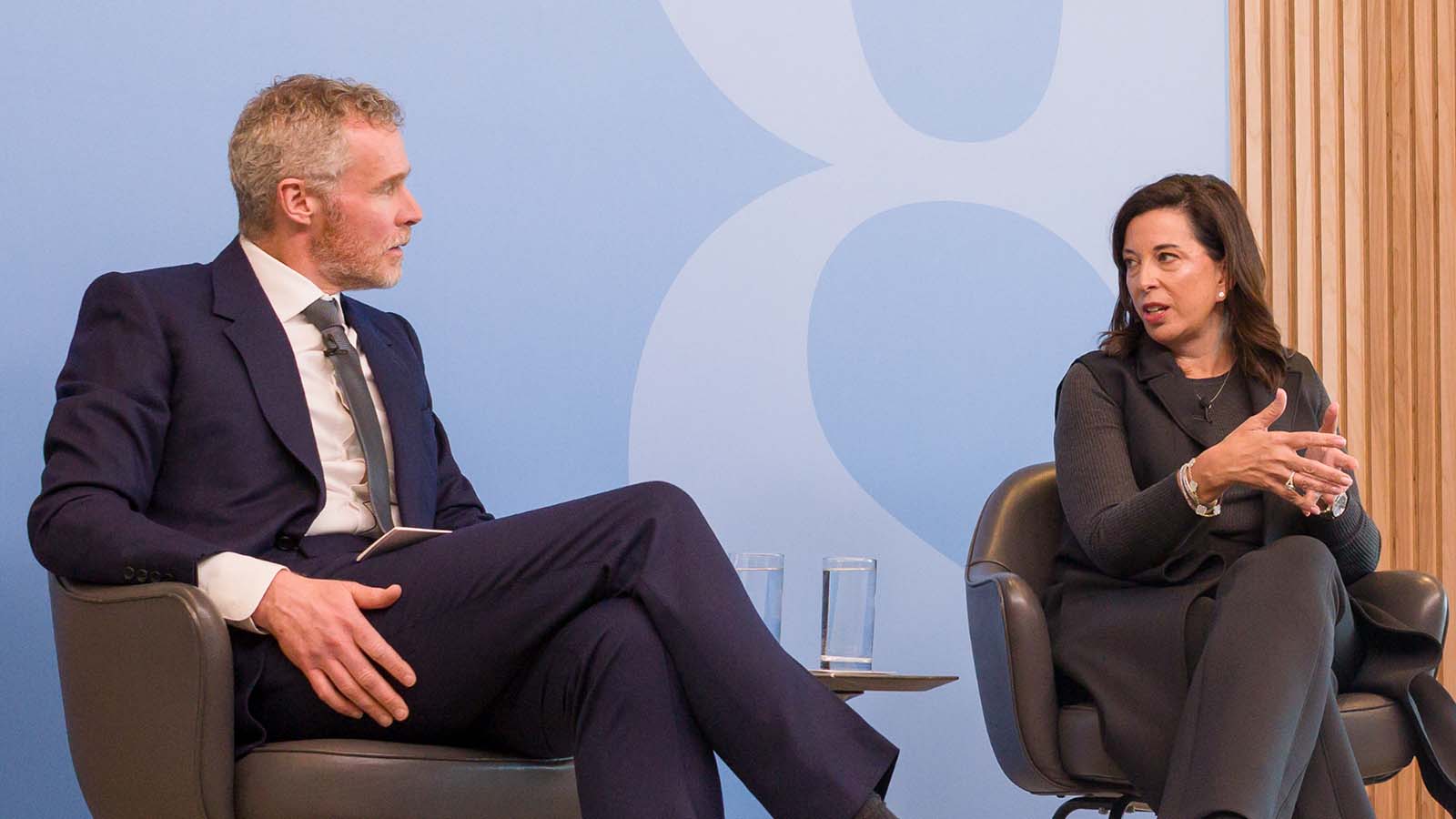
Goldman Sachs banker maps career path from debt to private equity
Lauren’s Goldman path shows how a banker can move from leveraged finance to private equity, step out for an MBA, and come back stronger.
From analyst seat to private equity platform
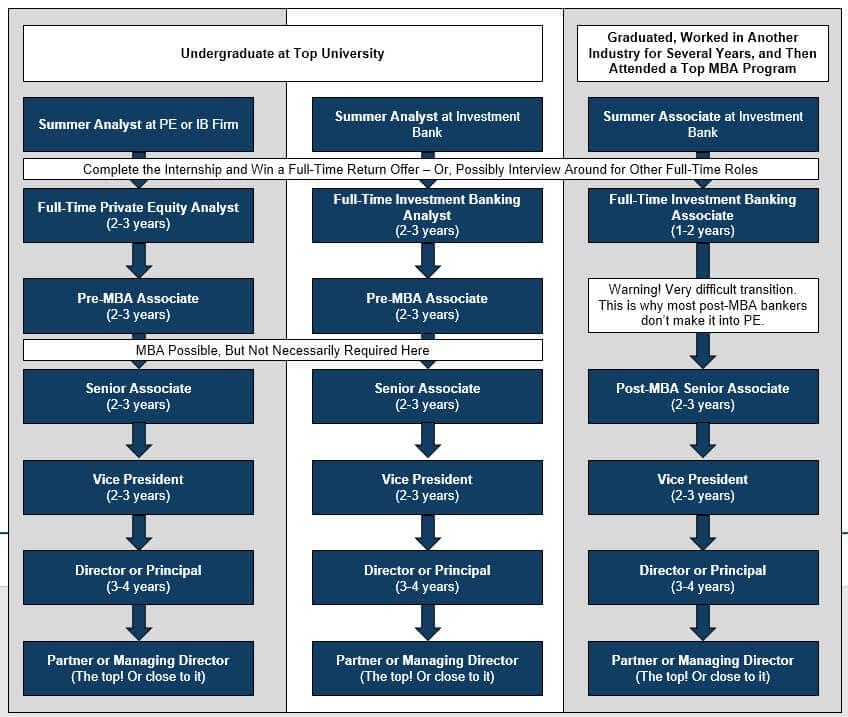
Lauren’s career at Goldman Sachs is a clear map of how the firm’s internal moves, school break, and return pathways can work in practice. She joined as an analyst in 2015 after interning the prior summer, started in leveraged finance within Investment Banking, moved into Merchant Banking’s private equity group after two years, left in 2019 for an MBA, and came back in 2021 as a vice president in Asset & Wealth Management.

That sequence matters because it shows a path that is not locked to one desk or one product line. Lauren did not simply climb a single ladder; she crossed from debt financing into equity investing, stepped away for graduate school, then returned with a broader base. For analysts and associates watching promotion timing, bonus cycles, and exit options, the message is straightforward: the skills you build in one seat can still compound if you make the right moves at the right moments.
How the early years built the bridge
Lauren’s first role in leveraged finance placed her close to the mechanics of private equity deal flow. She was providing debt financing to private equity firms that were backing leveraged buyouts in the middle market, which gave her direct exposure to how transactions are financed before they ever become investments. That kind of seat is often seen as one of the fastest ways to learn the pace of banking while building technical credibility that can travel to other desks.
Her next inflection point came when she worked on a principal investing opportunity that sparked an interest in equity investing. That detail is important for Goldman employees trying to read the career map correctly: internal mobility is not random. The transition from underwriting debt to evaluating ownership stakes made sense because the two areas are adjacent, and Goldman itself says its financing teams work closely with other parts of the firm, including Fixed Income, Currency and Commodities and Equities.
The move into Merchant Banking followed that logic. After two years in Investment Banking, Lauren shifted internally into the private equity group, where she focused on healthcare investing. For someone in the analyst or associate ranks, that arc is the kind of evidence that lateral moves inside Goldman can be a real career strategy, not just a line on a recruiting brochure.
Why the MBA break did not break the career
Lauren left in 2019 to earn an MBA, then returned in 2021. That timing matters because it shows Goldman’s career model can accommodate a pause for school without severing the relationship. In a firm where prestige, exit opportunities, and long hours can dominate day-to-day life, a clean re-entry after graduate school is a meaningful signal that mobility is not limited to people who never leave.
Goldman’s own MBA page says the firm encourages experienced professionals to explore opportunities across all areas of the firm, not just within dedicated graduate pipelines. Lauren’s return fits that broader message: an MBA can function as a reset and an upgrade, not an exit. For employees thinking about whether a school break will damage momentum, her path suggests the stronger variable is whether the work you did before the break built enough judgment, deal exposure, and internal credibility to make a return worthwhile.
There is also a broader institutional context behind that return. Goldman says its apprenticeship culture gives employees access to leaders with decades of experience, insight, and expertise, which helps explain why mentorship and sponsorship matter so much in progression. A banker can earn technical skills on paper, but the relationships that make a return possible often depend on whether senior people are willing to advocate when the time comes.
What the Returnship model says about Goldman’s talent strategy
Lauren’s path is not the same as Goldman’s formal Returnship program, but the two ideas reinforce each other. Goldman says the Returnship launched in 2013 and is a 12-week program for professionals restarting careers after a break of two or more years. The firm also said in a 2021 press release that it was the first to market with Returnship and that the program was reimagined to help people re-enter the workforce after a career break.
That is more than a branding exercise. Goldman says the program is designed for talented professionals looking to restart their careers after an extended absence from the workforce, and its current careers pages also show internship-style programs for veterans, returnees, and athletes in London and Birmingham. Taken together, those offerings suggest the firm has turned re-entry into a formal talent channel rather than treating it as an exception.
For current employees, that matters in two ways. First, it tells you Goldman is willing to think in terms of non-linear careers. Second, it hints that the firm sees value in people who come back with additional perspective, whether that perspective comes from school, caregiving, military service, athletics, or a different corporate environment.
Why the alumni network matters after you leave
Goldman also frames its alumni network as part of the career equation, not a goodbye list. As of January 2026, the firm said it had 120,000-plus total alumni across 115-plus countries, with more than 650 alumni in C-suite roles at leading companies. That scale turns alumni into a real operating network for collaboration and thought leadership, and it helps explain why leaving Goldman does not necessarily mean leaving Goldman behind.
Lauren’s return can be understood through that lens. A banker who leaves for school but remains connected through mentors, colleagues, and alumni ties can re-enter with a stronger platform than before. In a firm where internal reputation and sponsorship shape promotion timing, those ties can be as important as raw technical ability.
What Lauren’s current role shows about the pay-off
As a vice president, Lauren now works with management teams and boards, monitors portfolio performance, evaluates new investments, and uses both quantitative and qualitative analysis to assess opportunities. That mix is useful because it shows how the firm values people who can move between detailed analysis and broader judgment. It is the sort of remit that often rewards bankers who have learned both the financing side and the investing side, then returned with a wider lens.
For Goldman employees, the lesson is concrete: advancement does not have to follow one rigid ladder, but it does require sequence. Build technical depth in one seat, make a move when the work points toward a broader opportunity, keep relationships strong enough to support a pause if you take one, and use the firm’s apprenticeship and alumni structures to stay connected. Lauren’s path shows that at Goldman Sachs, a career can move from debt to private equity, out for an MBA, and back again without losing momentum.
This article was produced by Prism’s automated news system from verified source data, official records, and press releases, then run through automated quality and moderation checks before publishing. The system is built and supervised by the people who set the standards it runs under. Read our full AI policy.
Know something we missed? Have a correction or additional information?
Submit a Tip