Goldman Sachs features EY chief on AI, leadership and talent change
EY chief Janet Truncale turns Goldman’s AI conversation into a talent playbook: upskilling, human judgment and board-level governance now matter as much as automation.
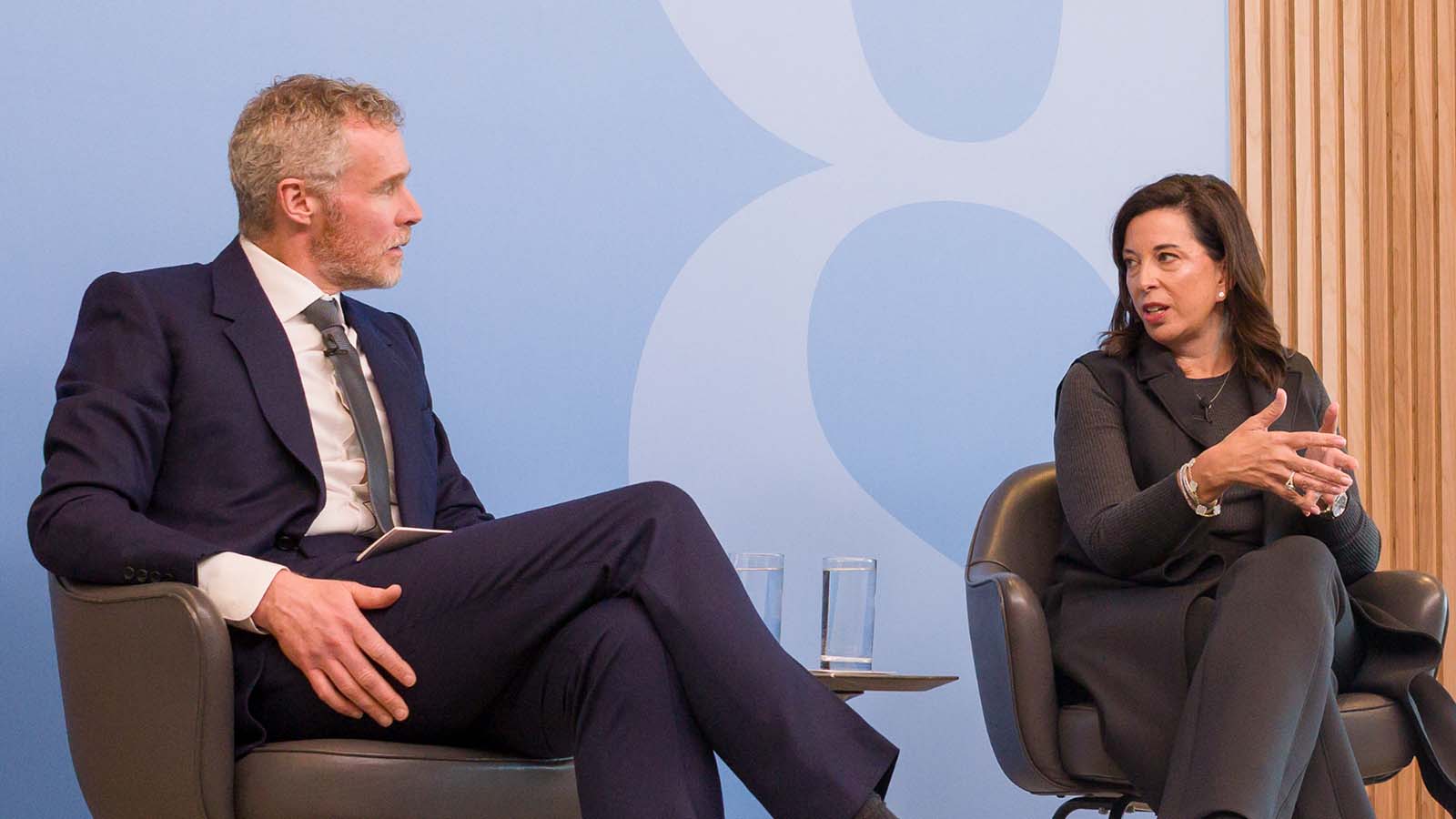
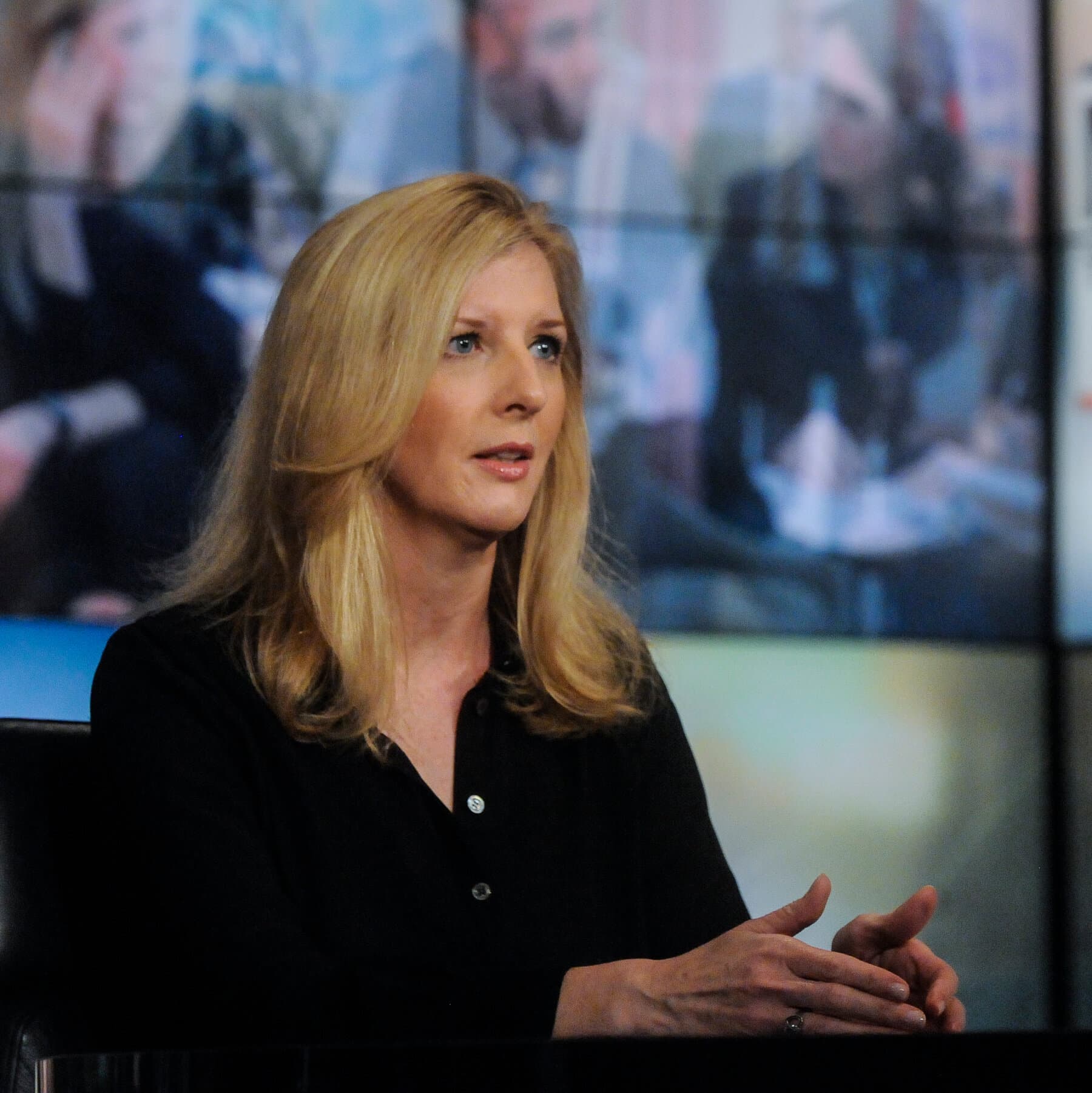
Goldman Sachs used its June 8 Talks at GS conversation with EY Global Chair and CEO Janet Truncale to do more than showcase a top executive. It offered a practical leadership brief for people inside a firm where AI, client service, staffing and career progression now collide every day. The message for analysts, associates, VPs and managing directors is clear: the firms that win will not be the ones that automate fastest, but the ones that explain how technology changes judgment, talent and accountability.
AI is becoming a management test, not just a tech rollout
Truncale’s central point is that the workforce will keep changing shape, and that employees who embrace new technology are the ones most likely to stay essential over time. That is a useful lens for Goldman teams that are being asked to adopt automation without losing the qualities clients pay for: judgment, discretion, and the ability to read risk and nuance under pressure. In other words, AI is not replacing the need for smart people so much as raising the bar for what smart people have to do.
Goldman Sachs Research gives that argument a harder-edged backdrop. One recent analysis estimated that AI has reduced monthly payroll growth by roughly 16,000 jobs in the United States over the past year and nudged unemployment up by 0.1 percentage point. Another Goldman piece says 300 million jobs globally are exposed to automation by AI. For a bank that lives on scale, speed and credibility, those numbers matter because they shift AI from an abstract efficiency story to a labor-market and operating-model issue.
The practical takeaway inside Goldman is not to treat upskilling as a side project. It is part of the job description now, whether the work sits in banking, markets, operations, legal or engineering. The people who will keep their relevance are the ones who can use AI tools, understand their limits, and keep human judgment in the loop when the data is incomplete or the stakes are high.
What Truncale’s career arc says about long-term advancement
Truncale’s 33-year journey from intern to CEO is one of the most relevant details in the conversation for Goldman employees thinking about career trajectory. It is a reminder that leadership in large financial and professional-services firms is usually built through repeated exposure, reputation and operating judgment, not just early promotion or one strong year. That matters in a culture where bonus cycles, prestige and exit opportunities can make short-term outcomes feel over-weighted.
Her current role also underscores the scale of the management challenge. EY says she leads about 400,000 people across more than 150 countries and territories and over US$51 billion in revenues. Goldman’s episode description likewise highlights EY’s 400,000-employee global footprint. A leader operating at that scale has to think about talent systems, incentives, consistency and local flexibility at the same time, which makes the conversation especially relevant for senior operators inside Goldman who manage teams across regions and businesses.
Truncale is based in New York and previously served as EY Vice Chair and Regional Managing Partner of EY Americas Financial Services Organization. That background matters because it places her at the intersection of financial services, firmwide leadership and regional execution. For Goldman readers, it is a reminder that the path to senior leadership often runs through roles that combine client intimacy with internal management discipline.
The boardroom is now part of the AI conversation
Goldman framed the episode around leadership, AI and the modern boardroom, and that framing is the point. Truncale’s view is not that AI is only a question of cost. It is also about productivity, growth and human objectivity, which is a far more demanding standard for any client adviser or internal manager. Boards and senior leaders are increasingly expected to ask not just how much work AI can remove, but how it changes work design, staffing and governance.
That matters at Goldman because the firm’s own senior people are often the ones explaining change to clients who want both efficiency and control. If AI changes how an organization staffs a deal team, reviews risk, or deploys support functions, the conversation cannot stop at software. It has to include oversight, accountability, and who is responsible when a machine speeds up a process but also narrows judgment.
- What work changes first.
- Which decisions still need human review.
- Where productivity gains will come from.
- What new controls are needed when automation expands.
For Goldman managers, the lesson is to speak about AI in business terms that boards understand:
That is the kind of translation work clients value, and it is increasingly the kind of leadership work internal teams are expected to perform.
EY’s strategy shows how large firms are reorganizing for the next cycle
The interview also lands against a broader EY reorganization that gives the leadership discussion more weight. EY said in June 2024 that its new global strategy, All in, would reshape its operating model. In July 2025, the firm said it would be managed through 10 regions instead of 18, a shift meant to better use its global network. That kind of restructuring is a reminder that firms are not simply adding AI on top of old systems. They are redesigning how the institution itself is run.
EY’s 2026 CEO Outlook reinforces that urgency. The survey found that nine in 10 CEOs expect revenue growth and increased profitability, based on responses from 1,200 global CEOs across 21 countries. The strategic mood, then, is not defensive. It is a bet that growth, efficiency and AI transformation can happen together, even if the labor implications are real and the governance burden is rising.
For Goldman leaders, that is a useful precedent. When a major professional-services firm reorganizes around fewer regions and a new operating model, it signals that scale alone is not enough. The real competitive edge comes from coordinating talent, technology and management structure so the firm can move faster without losing control.
The Goldman lesson: lead through complexity, not around it
The most transferable part of the conversation is its refusal to reduce AI to a simple job-loss narrative. Truncale presents the future workforce as something dynamic, and Goldman’s research adds the evidence that labor markets are already shifting. Put together, the message for Goldman employees is not to wait for clarity from above. It is to build the habits that make ambiguity manageable: learn the tools, keep sharpening judgment, and understand how your work fits into the firm’s broader control and client-service model.
That is the real leadership takeaway. The next generation of advancement inside Goldman will belong to people who can manage complexity without flattening it, explain technology without overselling it, and protect human objectivity even as automation becomes part of daily work.
This article was produced by Prism’s automated news system from verified source data, official records, and press releases, then run through automated quality and moderation checks before publishing. The system is built and supervised by the people who set the standards it runs under. Read our full AI policy.
Know something we missed? Have a correction or additional information?
Submit a Tip