Goldman Sachs spotlights self-paced learning resources for employees
Goldman Sachs is packaging learning as part of the job, with self-paced tools, leadership programs and onboarding resources that matter most when the desk gets busy.
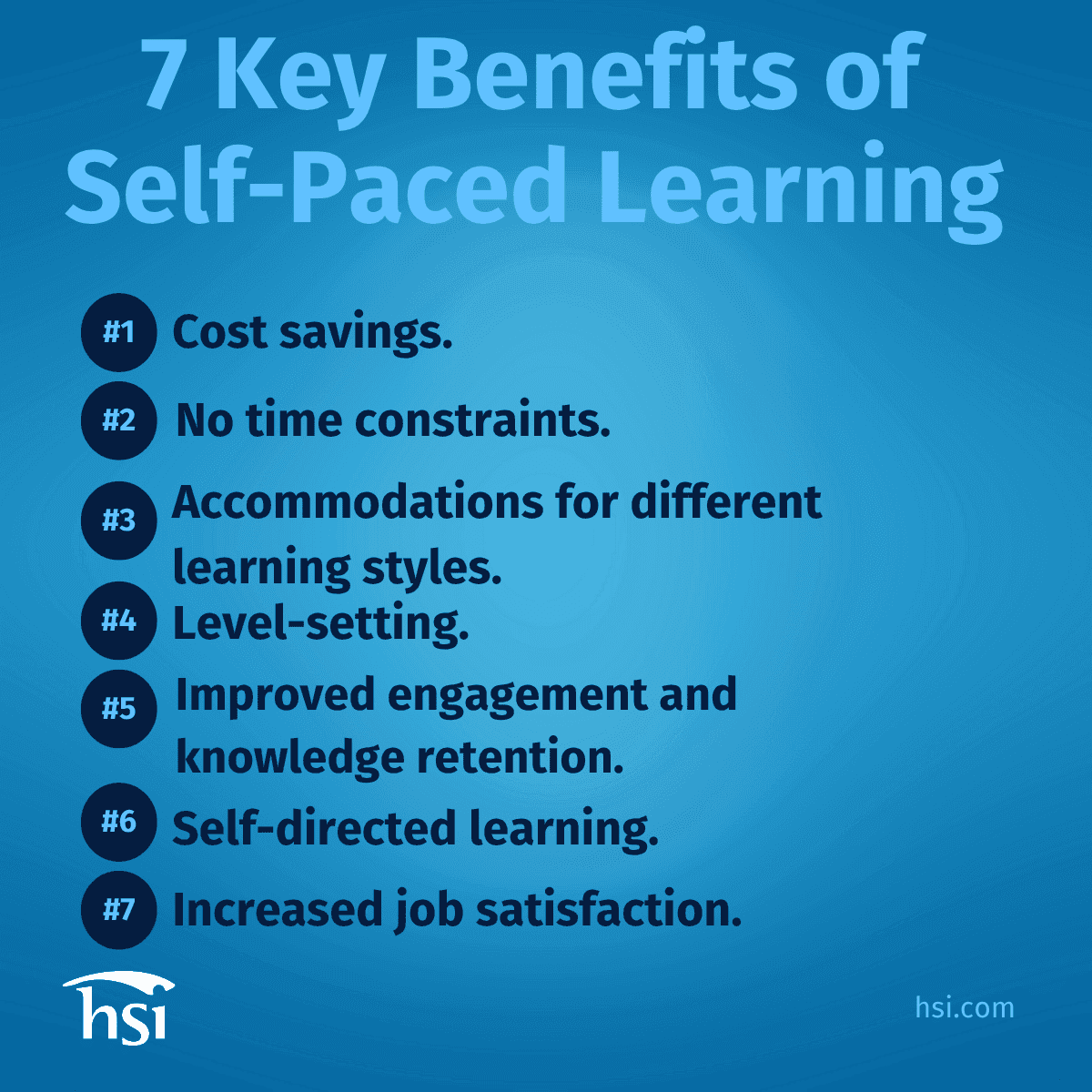
Goldman Sachs is making a blunt case for learning as day-to-day infrastructure, not a perk tucked into an HR page. The firm says its people can access easy-to-use, time-efficient and flexible learning tools on their own time, a setup that matters in a business where schedules shift fast and skill gaps show up quickly.
What Goldman is actually offering
The learning menu is broader than a single online course library. Goldman says its programs range from skills-based offerings and high-potential leadership programs to roundtable discussions and talks hosted by senior leaders, which gives the firm a mix of self-directed, peer-based and executive-level development. That matters because the need at the desk is rarely abstract: analysts and associates need faster technical fluency, while VPs and managing directors need sharper client communication, leadership judgment and coaching skills.
The firm also says new hires get digital learning and orientation resources through its Learning and Development team, which is a useful signal for anyone trying to understand how Goldman thinks about ramp-up. This is not just about getting through compliance modules. It is about accelerating integration so people can contribute sooner, a point that carries real weight in a place where early performance affects trust, staffing and, eventually, advancement.
How the system fits Goldman’s culture
Goldman describes itself as having an apprenticeship culture, and that phrase does a lot of work. The company says students gain hands-on experience and early exposure to leaders, clients and business challenges, which frames development as something that happens inside the work rather than outside it. In that model, learning is not a separate lane from the job. It is how you earn the right to take on more of it.
That approach is reinforced by the firm’s Human Capital Management team, which says its mission is to attract, develop and manage the firm’s biggest asset: its people. HCM says it wants to help employees create the careers they want by acting as a trusted partner in professional and personal growth. In plain English, Goldman is telling employees that mobility is supposed to come from building capability inside the franchise, not just from collecting a polished transcript of completed courses.
Why self-paced learning matters in a high-pressure bank
The most interesting part of Goldman’s message is not that it offers training. It is that the firm emphasizes flexibility and time efficiency. In banking and markets, the hardest part of development is often not finding a course. It is finding a stretch of uninterrupted time when the market is open, a client is waiting or a deck needs to be redone by morning.
That is why the self-paced angle is more than a convenience feature. A junior banker can use it to sharpen model building, valuation or presentation skills between deliverables. A senior team member can use it to improve manager effectiveness or client communication without turning learning into a calendar event that competes with the business. The practical test is simple: if the training helps you do a better job tomorrow, it has a chance of changing outcomes. If it only looks good on a learning transcript, it is probably symbolic.
How Goldman connects learning to career milestones
Goldman says employees are prepared for each career milestone through tailored learning programs with an emphasis on leadership and firm culture. That matters because the needs of a first-year analyst, a newly promoted associate and a seasoned managing director are not the same, even if they all sit inside the same talent system. A useful learning strategy has to change as the job changes.
That is where Goldman Sachs University comes in. The firm says it created the platform to help people grow professionally, starting with orientation and integration into the firm and continuing through ongoing development across the career span. The message is clear: onboarding is only the first chapter. The more important promise is that the firm wants development to continue after the first few months, when the real learning curve in finance usually begins.
The leadership layer is not an afterthought
Goldman’s learning story also has a long institutional memory. The firm says it launched Pine Street after its 1999 initial public offering as an innovative leadership development initiative, a detail that suggests leadership training was treated as a competitive advantage long before “upskilling” became a corporate buzzword. In other words, this is not a pandemic-era pivot or a reaction to labor-market pressure. It is part of the firm’s operating identity.
That history matters because leadership development at Goldman is not just about teaching people to run meetings. It is about preserving the judgment, client handling and team management that keep the franchise functioning at scale. The firm also said that 2023 marked the 20th anniversary of its Vice President Leadership Acceleration Initiative, a program for select vice presidents designed to strengthen leadership capabilities and help them drive their teams in support of Goldman Sachs’ strategy. For midcareer employees, that is the kind of development that can shape promotion odds, not just morale.
What to look for if you want the training to matter
Goldman’s materials point toward a useful rule of thumb: the training that changes your trajectory usually has three traits. It is tied to a real business skill, it fits your level, and it gets you closer to the people who make decisions about staffing and promotion. A generic course may help you feel productive. A targeted program that sharpens how you present, lead, coach or analyze work is more likely to affect how people evaluate you.
- If you are early in your career, the highest-value resources are usually the ones that speed up technical basics and help you avoid simple mistakes.
- If you are in the middle ranks, the best training often centers on leadership, feedback, managing teams and translating analysis into client-ready judgment.
- If you are senior, the learning that matters most is usually about delegation, coaching and keeping a team effective while the business keeps changing.
That distinction is why Goldman’s emphasis on accessible, self-directed learning is meaningful. It suggests the firm understands that in a place built on execution, the ability to keep learning is not optional. It is part of the job description.
Why the bigger business picture still matters
Goldman’s learning push sits inside a franchise that is still expected to perform at a high level. The company reported 2025 full-year net revenues of $58.28 billion and net earnings of $17.18 billion in its January 15, 2026 earnings release, which is a reminder that talent investment is happening alongside constant pressure to deliver. In a business like that, development is not charity. It is an operating expense with a strategic payoff.
The scale of Goldman’s alumni network reinforces that point. The firm says it has 120,000+ alumni across 115+ countries, including 650+ alumni in C-suite roles as of January 2026. That tells you the firm sees development as something that compounds beyond a current employee’s tenure. Training is not only about keeping people productive this year. It is about building a network of former employees who carry Goldman’s methods, relationships and reputation into the rest of the market.
For employees inside the firm, the takeaway is straightforward: Goldman is presenting learning as a core part of how careers advance there. The resources only matter if people actually use them, but the structure itself is a clue to the culture. At Goldman, staying relevant is supposed to be a habit, not a quarterly event.
This article was produced by Prism’s automated news system from verified source data, official records, and press releases, then run through automated quality and moderation checks before publishing. The system is built and supervised by the people who set the standards it runs under. Read our full AI policy.
Know something we missed? Have a correction or additional information?
Submit a Tip