Goldman Sachs CEO meets Chinese officials as Beijing signals market opening
Beijing’s latest talks with David Solomon kept Goldman’s China option alive, but the near-term payoff looks like more coverage work than a hiring wave.
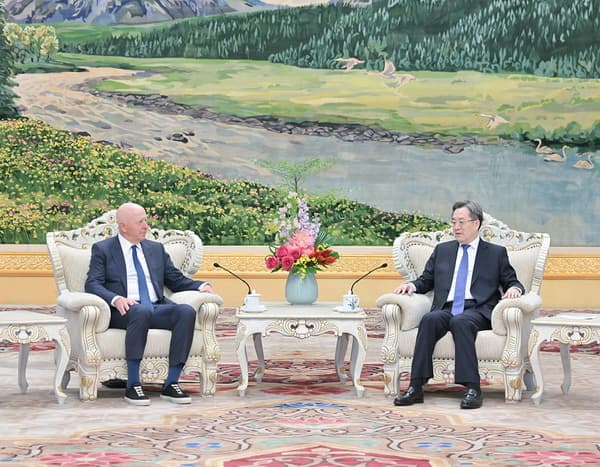
Chinese officials meeting David Solomon in Beijing kept Goldman Sachs inside China’s slow market-opening story, but for employees the signal is less about a sudden expansion than about where the firm is likely to spend time, talent and risk capacity next. The discussions focused on the global economic and financial environment and the opening up of China’s capital markets, the kind of agenda that usually travels first through senior relationships before it shows up in deals, products or pay.
For bankers, traders and wealth teams, that matters because Goldman’s China franchise is built around selective access rather than broad retail scale. The firm says Greater China has been important since the early 1990s, with representative offices in Beijing and Shanghai opening in 1994 and an office in Taiwan in 2000. It later won approval on October 17, 2021 to take full ownership of Goldman Sachs Gao Hua Securities, a move it described as the start of a new chapter for its China business. Goldman’s China unit is headquartered in Beijing and spans underwriting, M&A advisory, brokerage, proprietary trading, investment consulting and financial product distribution.
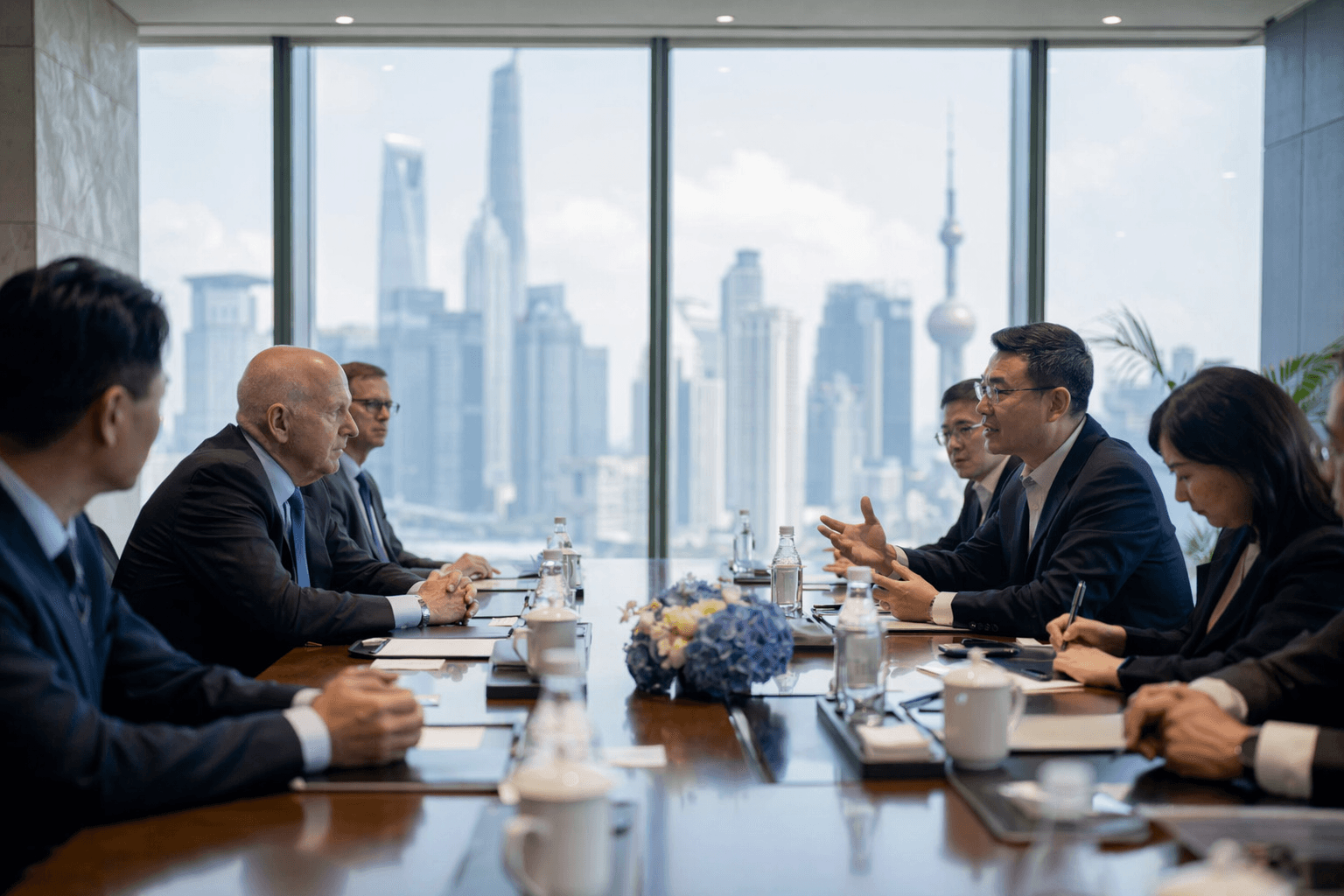
That mix points to where the work lands internally. Coverage bankers need to track policy shifts, product specialists need to translate market-opening measures into something clients can actually use, and compliance teams have to stay close to changing rules on what foreign institutions can do across borders. The late-2025 plan from the China Securities Regulatory Commission to optimize the Qualified Foreign Investor scheme, plus the move to allow qualified foreign investors to trade on-exchange ETF options for hedging starting October 9, 2025, are the kind of incremental changes that can create more transaction flow and more diligence without guaranteeing a large jump in headcount.
The timing also suggests Goldman is not treating this as a one-off photo opportunity. He Lifeng met Solomon in Beijing in November 2025, and Ding Xuexiang met him again in January 2026. That repeated access matters inside a bank where senior relationships often determine which teams get the mandate, which desks get the travel, and which product groups are positioned for the next cycle of activity.
For employees, the practical read is cautious optimism. If China’s opening continues, the upside is more cross-border advisory work, more wealth-management discussions and more market-infrastructure business. If geopolitical friction persists, the franchise will still depend on patient relationship management and tight risk oversight. For now, that looks like real optionality for Goldman’s Asia teams, not an immediate windfall for bonuses or a broad hiring spree.
This article was produced by Prism’s automated news system from verified source data, official records, and press releases, then run through automated quality and moderation checks before publishing. The system is built and supervised by the people who set the standards it runs under. Read our full AI policy.
Did this article answer your question?