Goldman Sachs clears Fed and FDIC review of 2025 resolution plan
Goldman’s 2025 living will passed the Fed and FDIC without new shortcomings, but regulators still want more work on assurance and contingency planning. For staff, that means resolution planning stays a live operating issue, not a paperwork exercise.
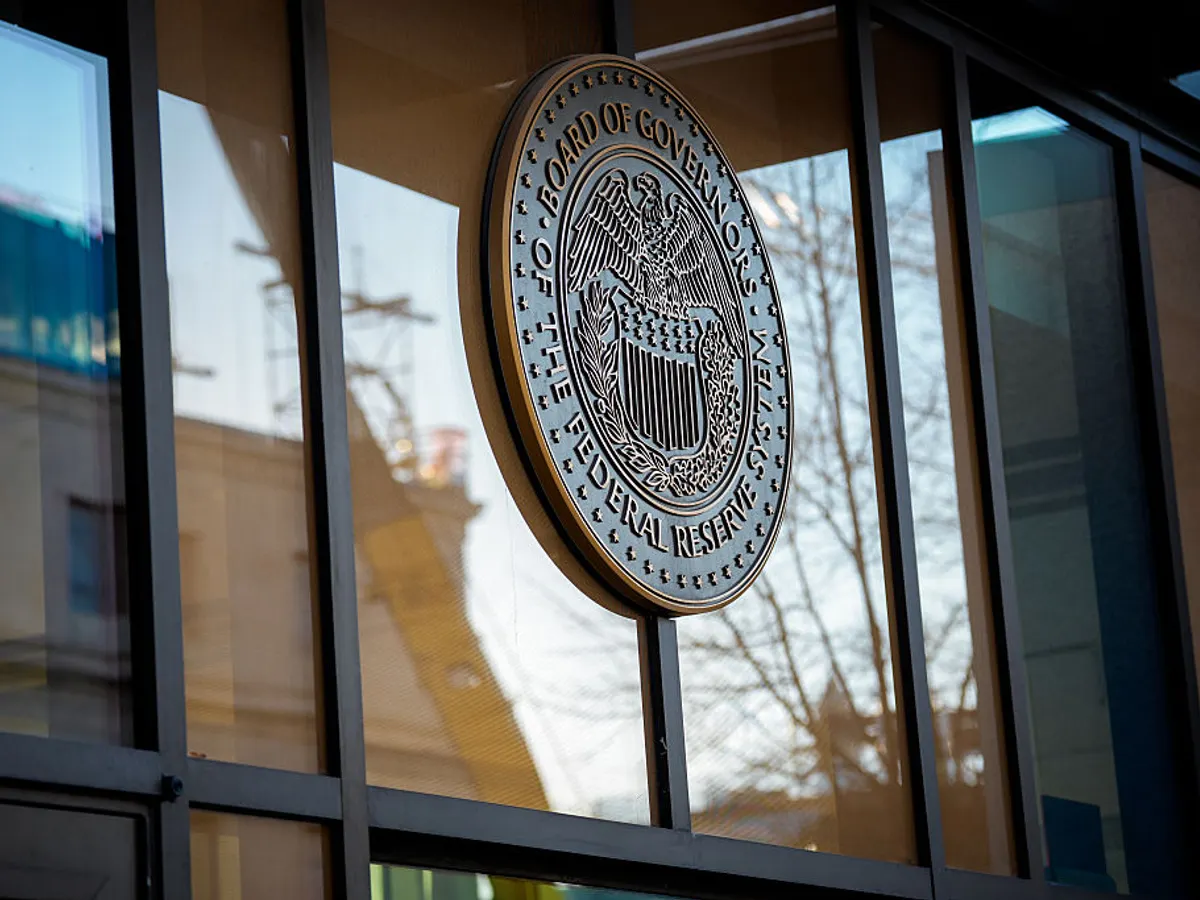
Goldman Sachs avoided a new regulatory setback in the latest living-will review, but the message for employees was not to relax. The Federal Deposit Insurance Corporation and the Federal Reserve said May 22 that they found no shortcomings or deficiencies in the 2025 resolution-plan submissions from the eight largest domestic banking organizations and 56 foreign banking organizations, and they said Goldman Sachs had satisfactorily addressed the derivatives-related weakness flagged in its 2023 plan.
For Goldman staff in risk, treasury, legal, finance, operations and controls, the finding matters because resolution planning reaches deep into how the firm actually runs. The point of a living will is to show how a global bank could be unwound in stress without jolting the broader financial system. That means the work touches capital structure, funding, legal entity organization, intragroup liquidity, booking models, service agreements and data quality. A clean letter does not mean the task is done. It means the firm has cleared one demanding supervisory test while regulators keep the next one in view.

Goldman’s feedback letter, dated May 21, said the agencies received the 2025 plan on or before July 1, 2025, reviewed it under section 165(d) of the Dodd-Frank Act and the Resolution Plan Rule, and concluded that the plan addressed the shortcoming identified in the 2023 submission. The letter also urged the firm to keep improving its ability to resolve quickly and in an orderly way through better assurance frameworks and contingency strategies. Goldman’s public 2025 resolution-plan section was dated June 30, 2025, and the agencies released the public sections for the full group on Aug. 5, 2025.
The review lands after a sharper rebuke in 2024, when regulators said the 2023 living wills of Bank of America, Citigroup, Goldman Sachs and JPMorgan Chase were inadequate because of weaknesses in derivatives unwind planning. Those banks were told to fix the issues in the next submission cycle, which makes the 2026 letters a meaningful step up, especially on derivatives resolvability. In practice, that means continued scrutiny of whether critical functions could be transferred, separated or wound down fast enough under stress.
Goldman’s own 2016 resolution plan shows why the process never really becomes routine. It has long forced the firm to explain material entities, operational and financial interconnectedness, derivatives and hedging activities, payment, clearing and settlement memberships, foreign operations and management information systems. That kind of disclosure is not ceremonial. It is a recurring test of whether a bank with Goldman’s scale and complexity can credibly say it could be unwound without forcing a broader rescue. Jonathan Gould, the FDIC board member and comptroller of the currency, abstained from voting on the letters’ release and called the current process “seriously flawed” and “extralegal,” underscoring that the politics around resolvability remain unsettled even when the biggest banks clear the latest round.
This article was produced by Prism’s automated news system from verified source data, official records, and press releases, then run through automated quality and moderation checks before publishing. The system is built and supervised by the people who set the standards it runs under. Read our full AI policy.
Did this article answer your question?