Goldman Sachs cuts year-end gold forecast to $4,900 an ounce
Goldman’s cut to $4,900 shows its gold thesis is still intact, but the near-term playbook has flipped as Fed cuts fade and ETF demand softens.

Goldman Sachs trimmed its year-end gold forecast by $500 to $4,900 an ounce on June 19, a sharp reset from $5,400 that says as much about conviction inside the bank as it does about bullion. The move, from analysts Lina Thomas and Daan Struyven, signals that one of Wall Street’s more constructive gold shops is backing away from a bullish setup that depended on easier Fed policy and stronger ETF inflows.
The timing mattered. The Federal Reserve had just held rates at 3.50% to 3.75% on June 17 and pushed its median 2026 policy-rate projection to about 3.8% from roughly 3.4% in March. Goldman’s economists had already been pushing back their rate-cut outlook, and the market’s fading expectation for easing was enough to change the gold math. For Goldman’s client-facing staff, that means the house view is not just a call on an ounce price. It is a read-through on the dollar, real rates, risk appetite and whether the safe-haven trade still has room to run.

Goldman still sees gold as structurally supported, but the tone is more tactical than triumphant. The bank has said central-bank buying should average about 60 tonnes a month in 2026, and it has put downside around $4,400 if the Fed were to hike rather than cut. That makes the message to sales teams, traders and strategists straightforward: the long-term thesis is still alive, but the near-term trade depends heavily on what happens to rate expectations from here.
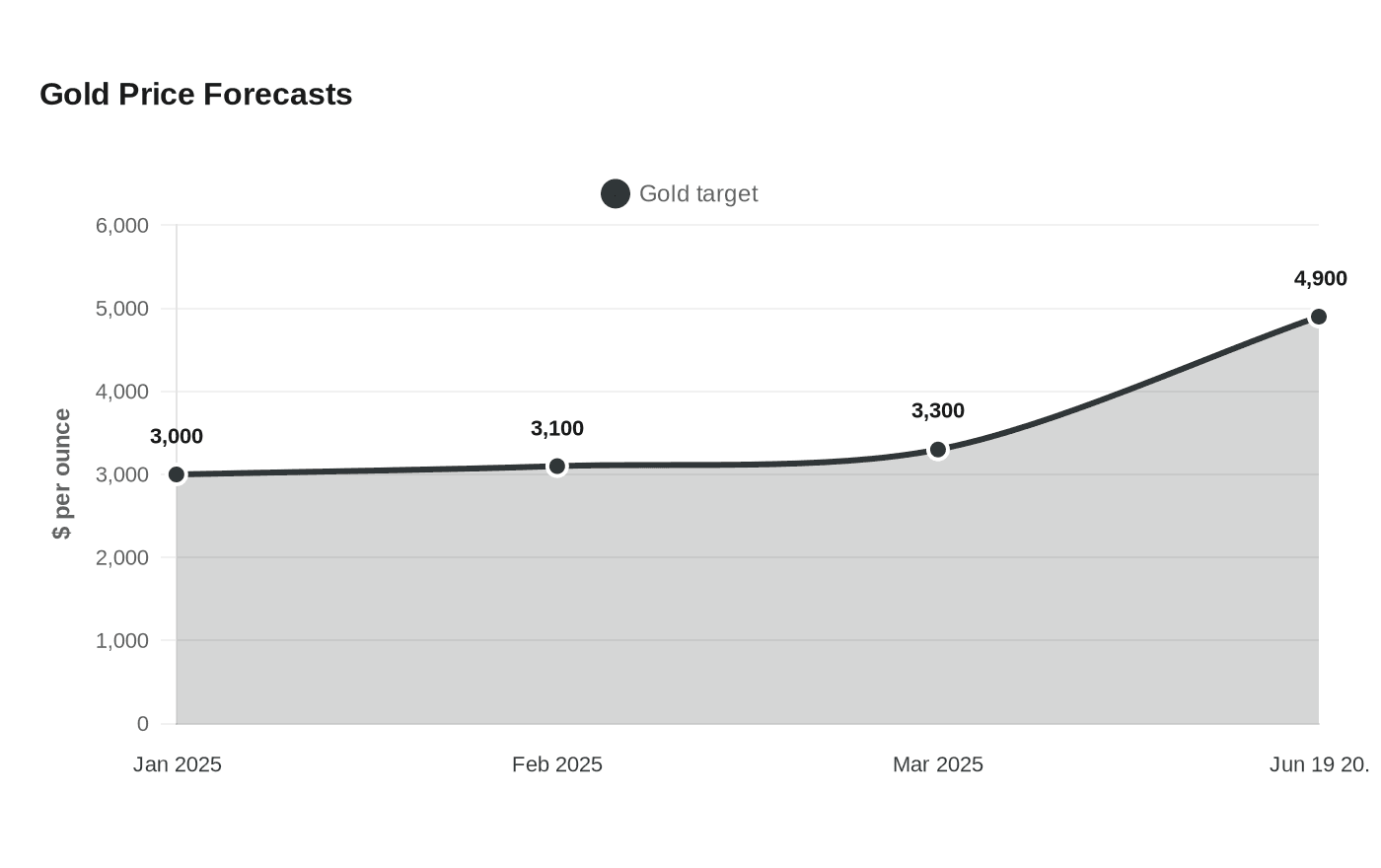
The broader demand picture helps explain why Goldman is making the adjustment now. The World Gold Council said first-quarter 2026 gold demand rose to 1,231 tonnes and the value of that demand hit a record $193 billion. Bar-and-coin investment climbed 42% from a year earlier to 474 tonnes, while central banks added 244 tonnes to reserves. ETF buying, though, slowed in the quarter, which is exactly the part of the market Goldman is leaning on for the downgrade.
The revision also lands after a long run of forecast changes. Goldman raised gold targets to $3,100 in February 2025 and $3,300 in March 2025 on central-bank demand and ETF inflows, then later lifted its December 2026 target to $4,900 from $4,300 as Western ETF demand and official-sector buying held up. In January 2025, it had already delayed a prior $3,000 target to mid-2026 because it expected fewer Fed cuts and weaker ETF flows. June’s cut suggests the bank is again recalibrating its view of how much support can come from policy, and how quickly that support can disappear.
This article was produced by Prism’s automated news system from verified source data, official records, and press releases, then run through automated quality and moderation checks before publishing. The system is built and supervised by the people who set the standards it runs under. Read our full AI policy.
Did this article answer your question?