Goldman Sachs’ Dallas bet underscores Texas’s finance ambitions
Goldman’s Dallas campus for more than 5,000 workers is a real test of whether Texas can pull finance jobs, clients and prestige away from New York.
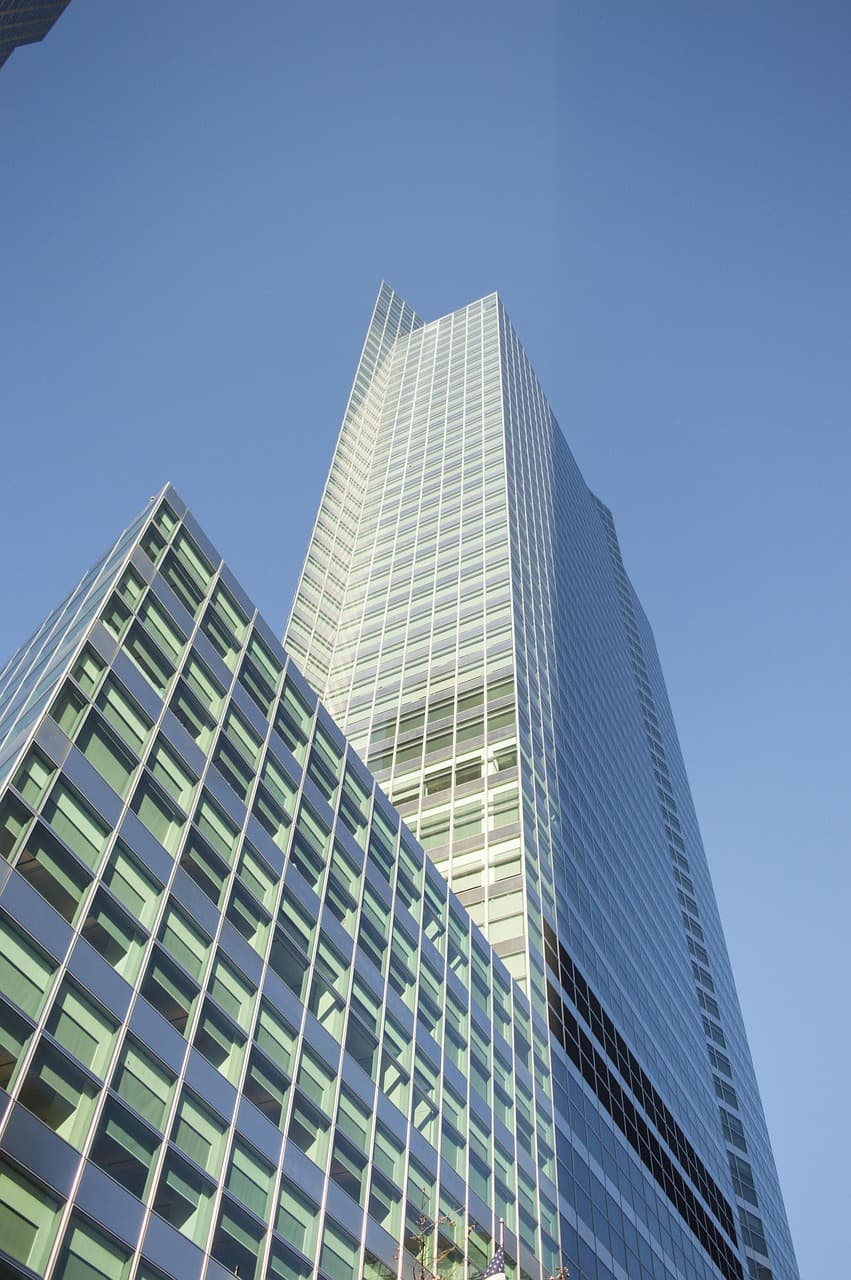
Goldman Sachs has spent more than half a century in Dallas, but the firm’s NorthEnd campus makes that presence look less like a regional outpost and more like a strategic wager. The $500 million project is built around more than 800,000 square feet and a workforce of more than 5,000, turning Texas into a live test of whether ambitious finance careers can be built outside New York.
Dallas is no longer a side office
Goldman says its Dallas office has served clients across the Southwest since 1968, giving the bank a long operating history in the city before the current wave of Texas finance hype. That history matters because the firm is not arriving as an outsider trying to plant a flag; it is deepening a footprint it has already carried for decades.
The NorthEnd campus, in Dallas’s NorthEnd district, was broken by Goldman Sachs, Hunt Realty Investments and Hillwood Urban on October 10, 2023. Dallas Economic Development later posted the groundbreaking notice on October 23, 2023, making the project part of the city’s own economic-development pitch as much as Goldman’s real-estate strategy. In practical terms, that means Dallas is no longer being discussed only as a place where firms route support work. It is now part of the front-office conversation about cost, recruiting, lifestyle and taxes.
What the NorthEnd build changes for Goldman staff
The Dallas campus is more than a construction project for Goldman employees because location shapes who gets seen, who gets staffed, and who gets promoted. A two-tower office designed for more than 5,000 workers creates room for headcount growth, but it also raises the question of which teams and decision-makers will actually sit there.
For junior bankers and associates, a larger Dallas base can look attractive during bonus season because it may offer Goldman’s platform without Manhattan rent, Manhattan commuting, or Manhattan pricing for everything from housing to childcare. At the same time, a Texas seat can sharpen the trade-offs that matter most in banking: how much face time you get with senior bankers, how often you are in the room for client meetings, and whether a lower-cost lifestyle comes at the expense of prestige or exit opportunities.
That is why the Dallas campus matters for career trajectory. If more meaningful coverage, execution, or management roles move south, Dallas could become a better launch point for internal mobility and later exits into private equity, credit, or corporate finance. If it stays mainly a satellite, then the upside is more limited, even if the building itself is enormous.
The timeline says the bet is long term
A Hillwood update in August 2025 said the exterior of the 3-acre campus should be complete by the end of 2026, with employees moving in sometime in 2028. That timeline tells Goldman staff something important: this is a multi-year commitment, not a short-term experiment. The firm is planning around a future in which Dallas is part of its operating map for a long time.
The scale also matters because Goldman’s own staffing base keeps changing even as it pours money into physical space. Its 2024 annual report listed 46,500 employees worldwide in 2024, up from 45,300 in 2023. That growth gives Dallas a bigger corporate backdrop, but it does not mean every office is growing equally. For workers, the real question is whether a chunk of that expanding headcount, and the influence that comes with it, will land in Texas or remain concentrated in legacy hubs.
Texas’s finance ambitions go beyond one campus
The broader debate around Y’all Street is whether Texas can build or beat Wall Street, not just host a few more office towers. NPR’s transcript on the topic ties that question to politics and to the idea of a Texas-based exchange, which is why Goldman’s Dallas investment sits inside a much larger fight over where capital markets power should live.
For finance professionals, the measurable test is straightforward. Texas has to attract enough senior decision-makers, clients, capital-markets activity and prestige roles to change where ambitious careers are actually built. If it does, the state could pull more than operations south and start competing for the work that defines bonus pools, internal status and long-term reputation.
That is also why Dallas is being watched so closely from outside Goldman. A $500 million campus does not by itself move Wall Street, but it can signal where firms think talent wants to live, where clients are willing to travel, and where the next generation of finance infrastructure can be built. If the NorthEnd project keeps advancing on schedule, Goldman’s Texas footprint will look less symbolic and more like an early marker of where the industry’s center of gravity could shift next.
This article was produced by Prism’s automated news system from verified source data, official records, and press releases, then run through automated quality and moderation checks before publishing. The system is built and supervised by the people who set the standards it runs under. Read our full AI policy.
Did this article answer your question?