Goldman Sachs heads into earnings on booming capital-markets activity
SpaceX-linked fees, a record M&A pace and busy trading were setting up Goldman’s quarter, raising the stakes for bankers’ bonuses and staffing.
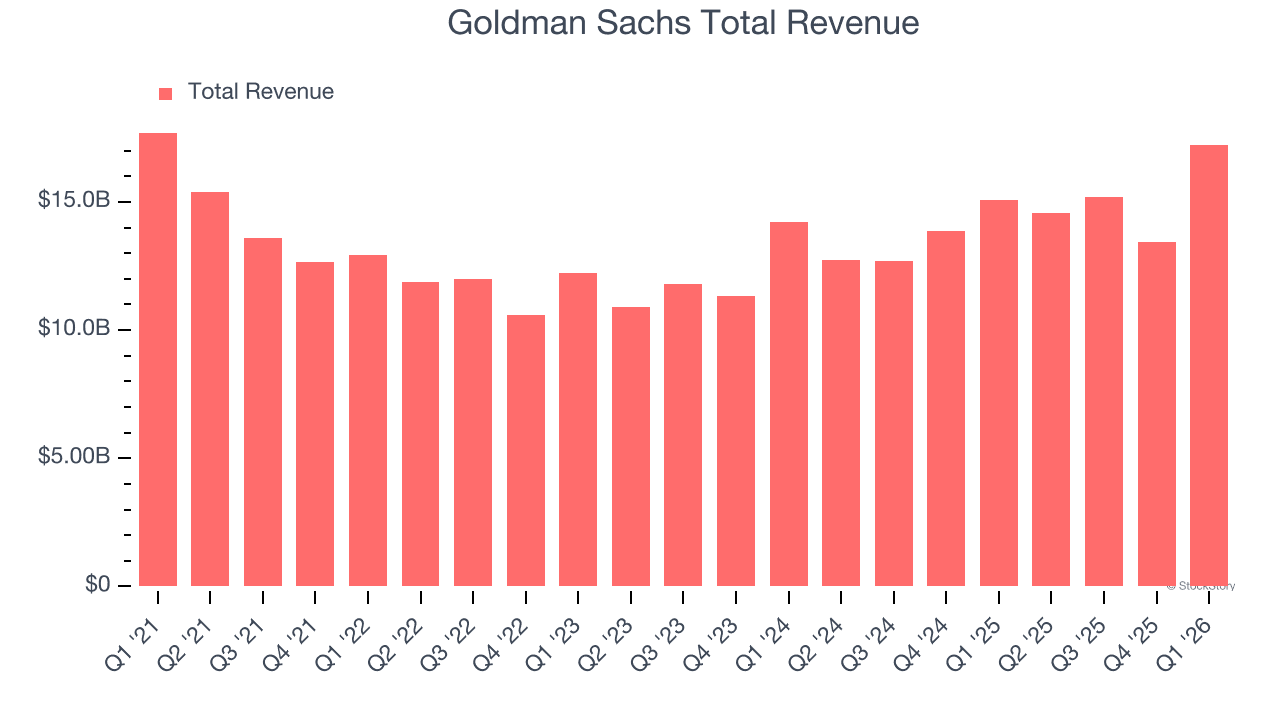
Goldman Sachs went into its second-quarter earnings with several of its main revenue engines firing at once, from SpaceX-related capital-markets work to debt-raising mandates and hedge-fund flows tied to an oversubscribed deal. That mix mattered inside the bank because it pointed to heavier fee generation, more intense staffing demands and a stronger setup for compensation talks later in the year.
The backdrop was broad-based. CNBC’s July 13 bank-earnings preview said investment-banking revenue across the big US lenders could rise 26% from a year earlier, while trading revenue could climb 14%. For Goldman, that meant the firm’s core businesses were being pulled in the same direction at once: advisory, underwriting, equity capital markets, fixed income and trading.
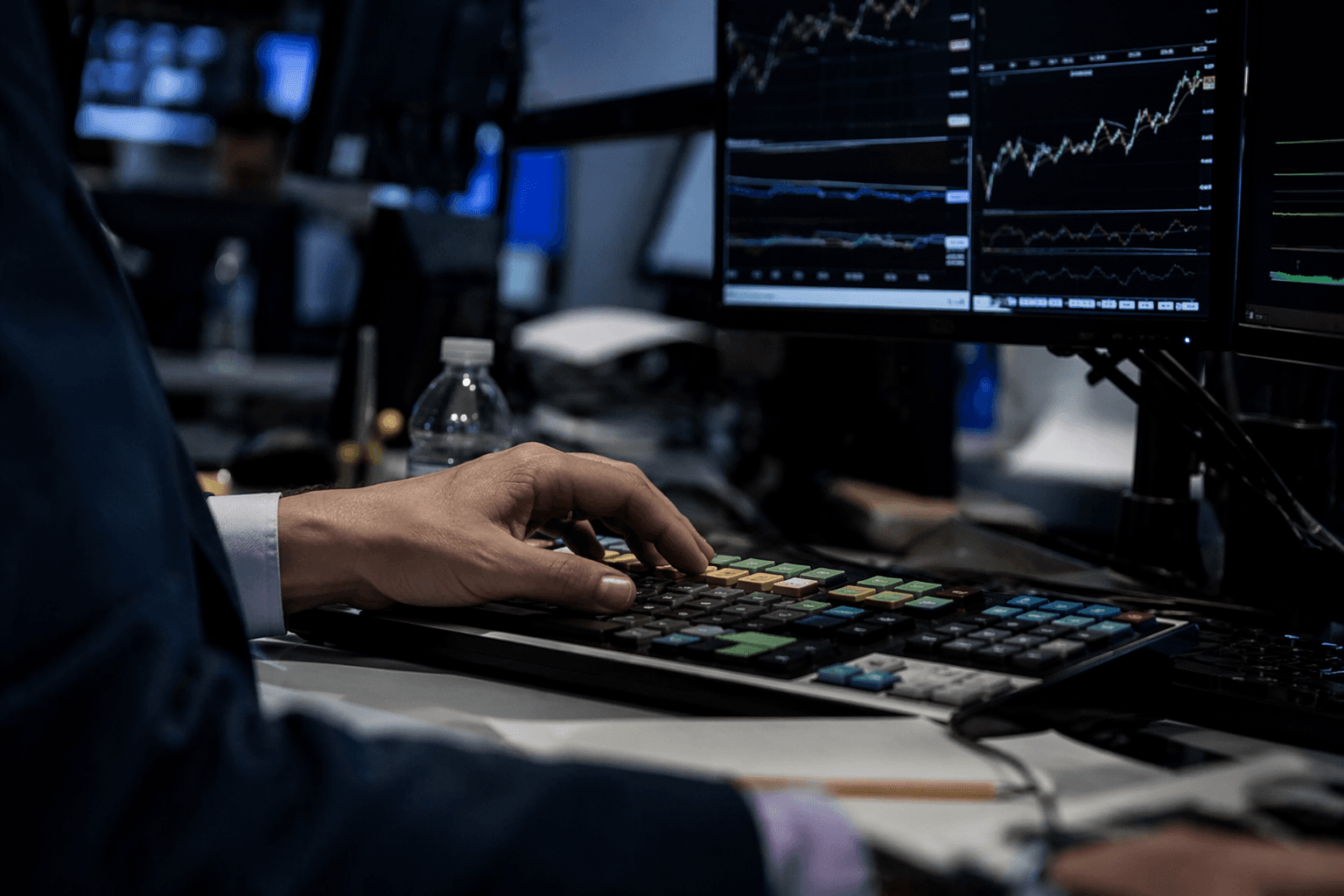
The SpaceX IPO was one of the clearest signs of that momentum. The deal helped feed what the preview described as a booming capital-markets environment, with debt issuance also adding to the workload. Hedge funds were part of the story too, with what CNBC called soft dollars flowing from managers that wanted in on the oversubscribed transaction. For Goldman bankers, that kind of activity is not just a headline number. It is the pipeline that turns into pitch books, syndicate calls, execution work and long nights in ECM and DCM.
The same preview said the industry was enjoying a sweet spot created by a giant IPO, a merger market on track for a record year and broad trading activity across equities and fixed income. That combination should help Goldman’s results if the pace holds, but it also raises the bar. Investors were already treating Goldman as one of the banks best positioned to benefit from a hot capital-markets backdrop, which leaves less room for a miss if fee income or trading results come in below the market’s expectations.
Commercial lending was also starting to show signs of a turnaround, the preview said, as banks competed with private-credit lenders for corporate spending tied to artificial intelligence. That matters for Goldman because it shows another lane where the firm can win business, even if the bigger near-term earnings story is still centered on fees and trading. For employees, the message was straightforward: when capital markets are this busy, the work load rises first, and the payoff, in bonuses, staffing confidence and internal morale, follows only if the quarter lands as expected.
This article was produced by Prism’s automated news system from verified source data, official records, and press releases, then run through automated quality and moderation checks before publishing. The system is built and supervised by the people who set the standards it runs under. Read our full AI policy.
Did this article answer your question?