Goldman Sachs New Analyst Program highlights apprenticeship-driven recruiting
Goldman’s new analyst track is less a single job than a pipeline. The structure points to early networking, fast integration, and broad internal mobility as the behaviors the firm rewards.

Goldman Sachs’ New Analyst Program is one of the clearest public snapshots of how the firm builds junior talent. The message is simple and deliberate: enter as a full-time analyst, learn the businesses fast, build relationships early, and accumulate the kind of internal capital that can shape your next move inside the firm.
Apprenticeship is the product
Goldman says the New Analyst Program is a full-time role for final-year undergraduate and graduate students. New analysts are promised more than a desk assignment: they are told they will learn about the firm’s businesses, develop important relationships, and build career-enhancing skills. That framing matters in a place where the first years often decide who gets staffed well, who gets visibility, and who is viewed as promotable later.
The broader careers pages reinforce the same idea with less polish and more clarity. Goldman describes itself as championing apprenticeship, with early exposure to leaders, clients, and business challenges. It also says its learning and development resources for new hires include digital learning and orientation programs designed to accelerate integration. For analysts, that is a signal that the firm values quick absorption into the culture and the ability to operate with little hand-holding after the initial ramp-up.
For junior employees, the subtext is hard to miss. Goldman is not marketing a narrow training class for future bankers alone. It is presenting a model in which the best early-career move is to learn the firm’s language quickly, build trust across teams, and become useful in more than one setting.

Where analysts can land tells you what Goldman wants to scale
The program’s breadth says as much as its training language. Goldman lists opportunities across investment banking, global investment research, FICC, operations, risk, legal, engineering, and wealth management, among other areas. That spread turns the analyst class into a feeder system for the whole franchise, not just the most visible front-office roles.
For candidates, that means the program is as much about optionality as prestige. A Goldman analyst seat can be the first step toward client-facing banking, but it can also be an entry into the operational and technical machinery that keeps trades moving, risk monitored, and client work coordinated. For current juniors, the structure suggests the firm prizes adaptability and a willingness to move across functions when the business needs it.
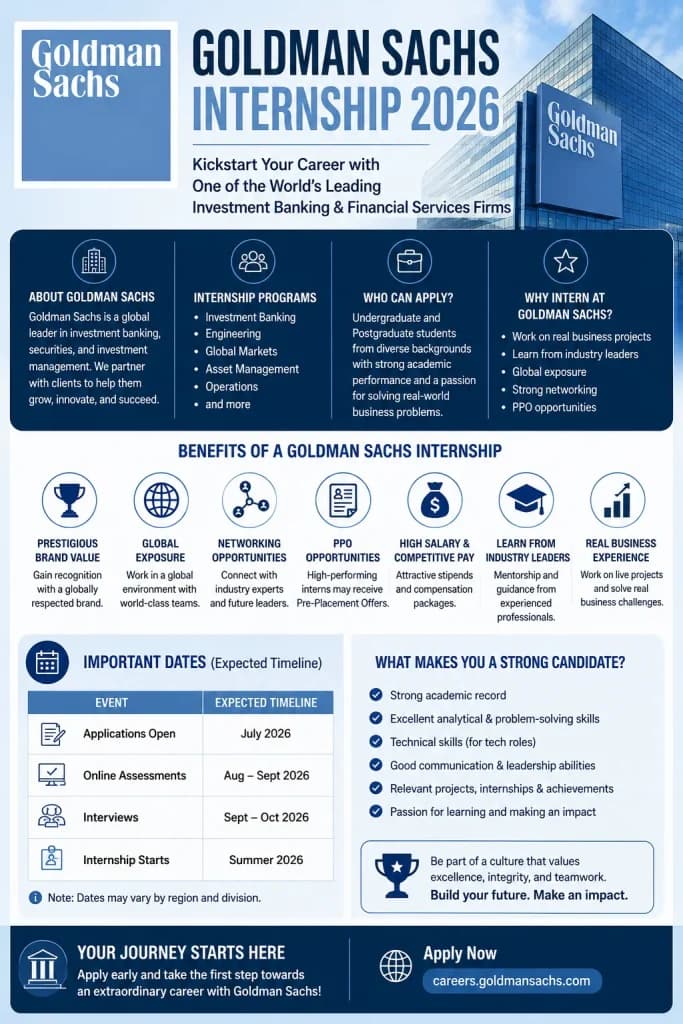
The recruiting calendar reinforces that this is a long pipeline, not a one-off hiring event. Goldman says the current Americas cycle for the 2027 Summer Analyst Program opens applications on August 15. The 2027 EMEA Summer Analyst programme opens applications on August 15, 2026, and the India 2027 Summer Analyst Program opens July 1. In practice, the firm is signaling that the path into Goldman starts well before graduation and varies by region and business.
The analyst pipeline sits inside a bigger machine
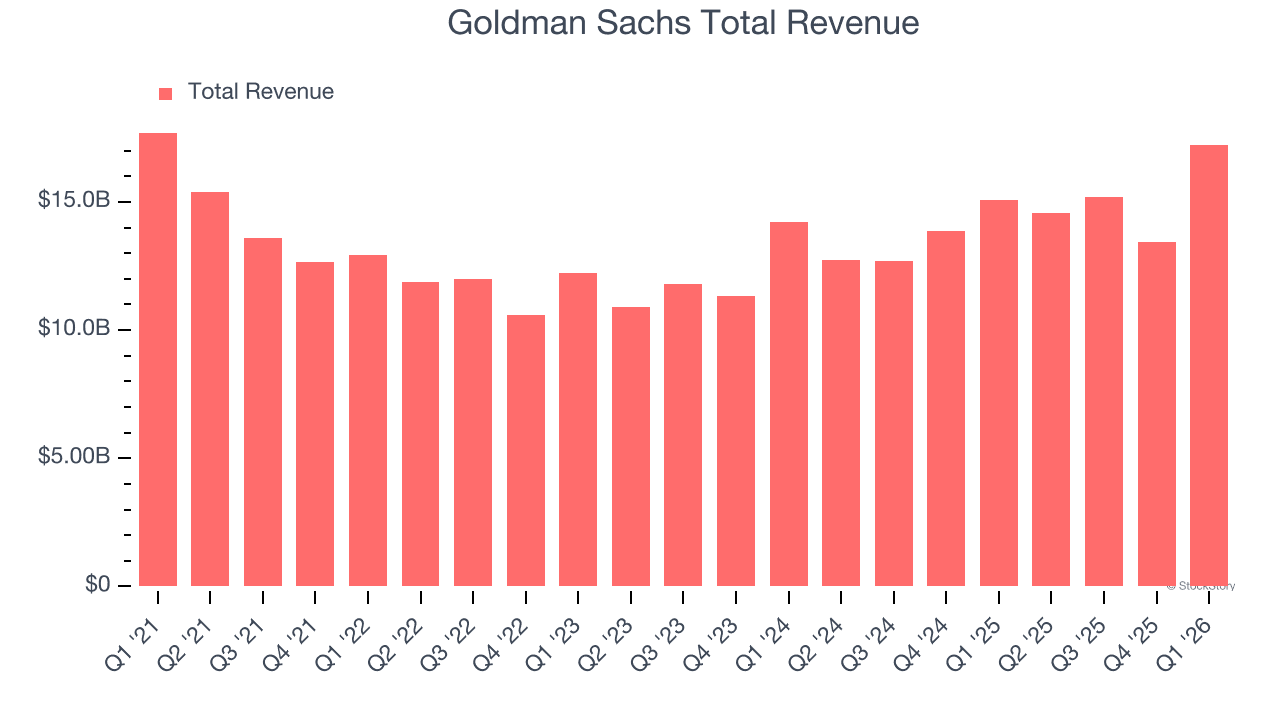
The New Analyst Program makes more sense when placed against Goldman’s overall scale. In its 2024 annual report, the firm said it has two interconnected franchises, Global Banking & Markets and Asset & Wealth Management. It also said 2024 net revenues reached $53.5 billion, diluted EPS was $40.54, and return on equity was 12.7 percent. Those numbers do not just describe a strong year; they show why Goldman treats talent development as part of the operating model rather than a side project.
That connection between people and performance shows up in how Goldman talks about growth. The annual report frames investment in people as part of the firm’s ability to produce results, which is exactly why the analyst pipeline matters to everyone from first-year analysts to managing directors. A large, steady flow of well-indoctrinated juniors is how the firm keeps client coverage, deal execution, risk management, and internal operations staffed at scale.
The hiring pipeline is also visibly global. Goldman said its 2024 summer intern class included about 2,600 students across more than 45 office locations, arriving across India, the Americas, Asia Pacific, and EMEA. That class came from more than 475 schools. The firm is not simply recruiting a handful of polished resumes from a narrow set of campuses; it is casting widely and then standardizing the experience through a common training and integration model.

What the alumni network says about early-career strategy
Goldman’s alumni data is another clue to why the analyst class matters. As of Q1 2026, the firm said its alumni network includes 120,000-plus former employees across more than 115 countries, with 825-plus alumni in C-suite roles. That is not just a brag sheet. It means the firm’s junior hiring decisions create a long tail of former employees who can become clients, executives, investors, or business partners later.
For current employees, that changes how the program reads internally. Analysts are not merely staffing the next quarter’s workload. They are part of a long-cycle relationship strategy that extends beyond Goldman’s walls. The firm’s early emphasis on networking, leader access, and business exposure helps explain why it puts so much weight on the first years: those years build the relationships that can outlast any single assignment or bonus cycle.
That is also why the program’s language will resonate with junior bankers and analysts watching promotion norms. The skills Goldman highlights are not abstract. They are the habits that usually matter in a high-pressure firm: learning quickly, moving comfortably across teams, building trust with senior people, and proving you can support the business before you ask for more of it. In a culture where access and staffing shape careers, the apprenticeship model is not just a training philosophy. It is a roadmap for how the firm says junior talent should grow, and how it decides who is ready for the next level.
This article was produced by Prism’s automated news system from verified source data, official records, and press releases, then run through automated quality and moderation checks before publishing. The system is built and supervised by the people who set the standards it runs under. Read our full AI policy.
Did this article answer your question?