Goldman Sachs leaders reassure staff as Middle East business stays active
Goldman is pushing bankers to keep hunting Gulf deals even after Dubai staff were told to stay home, a sign that geopolitical risk has become a day-to-day coverage test.
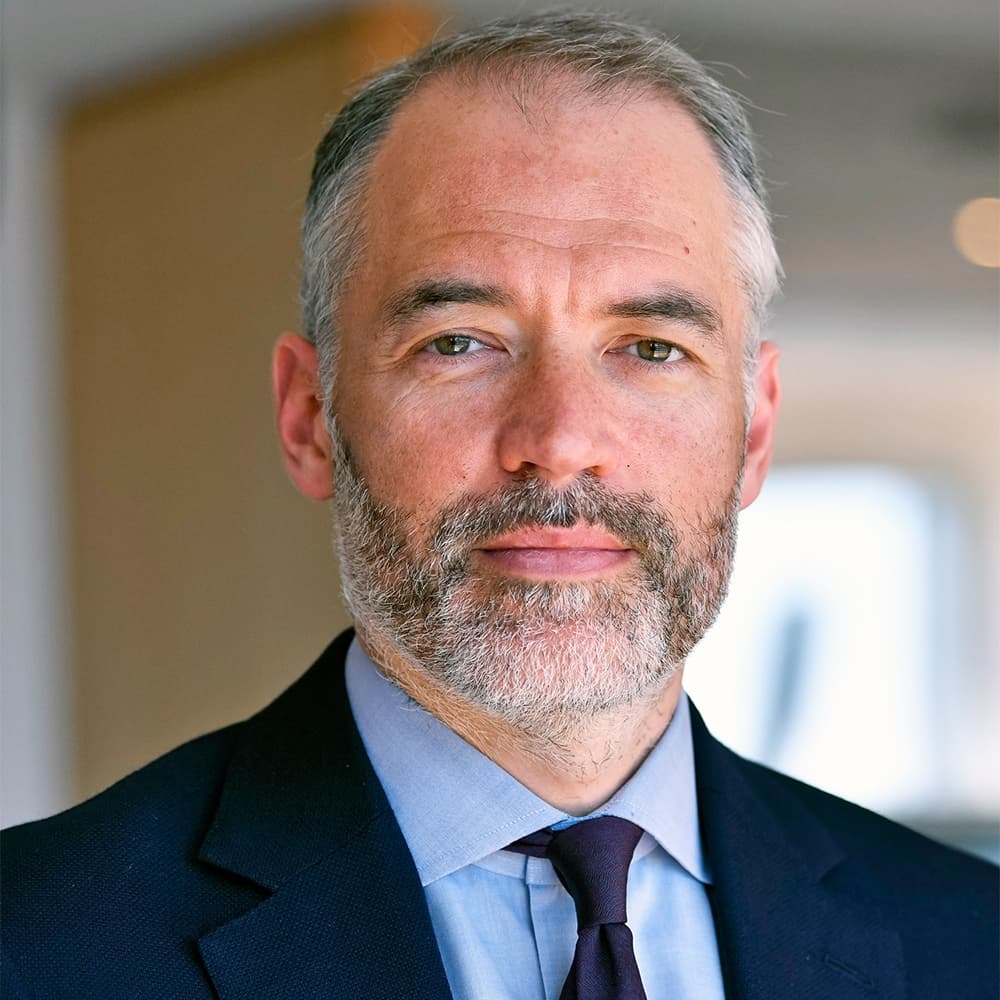
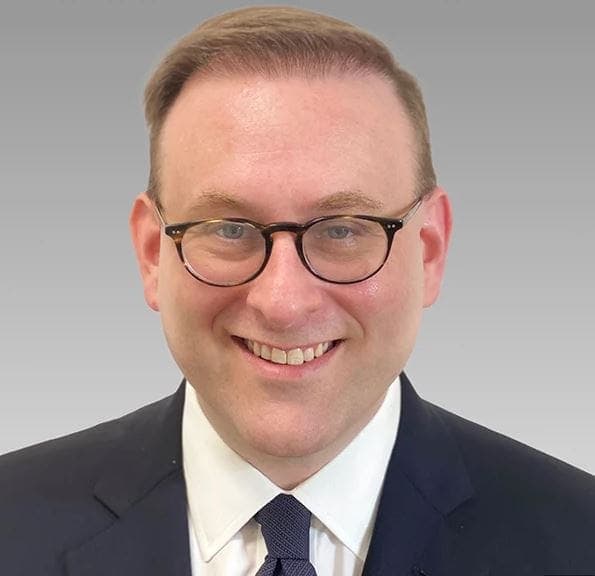
Goldman Sachs is telling bankers its Middle East franchise remains open for business, even after Iran-related attacks forced staff in Dubai to stay away from offices and jolted travel across the Gulf. International co-heads Anthony Gutman and Kunal Shah have been visiting offices around the world to reassure employees and keep clients engaged, a clear sign that leadership still sees the region as a growth lane rather than a place to pull back from.
The bank says it has five offices in the Middle East and about 100 staffers there, and its footprint has been expanding. Goldman opened an office in Kuwait on October 6, 2025, saying the move deepened its commitment to the country and the region. Abu Dhabi Global Market’s public register lists Goldman Sachs International at Al Sila Tower in Abu Dhabi. Goldman’s Dubai office says it serves families, entrepreneurs and institutions across the Gulf region, while its Riyadh office says it serves families, entrepreneurs and institutions across Saudi Arabia.

That physical presence has been matched by dealmaking. On January 20, 2026, Qatar Investment Authority and Goldman Sachs Asset Management expanded their strategic partnership, with QIA targeting a combined total of $25 billion to funds managed by Goldman Sachs Asset Management and co-investment opportunities. On March 4, 2025, Saudi Arabia’s Public Investment Fund and Goldman Sachs Asset Management struck a non-binding memorandum of understanding for PIF to act as a strategic anchor investor in new private credit and public equity strategies in Saudi Arabia and the wider GCC region. Goldman has also been looking to open more outposts and boost headcount in Middle East cities, as Wall Street rivals including UBS and JPMorgan Chase push deeper into the region.
The tension is obvious. Goldman and Citigroup told staffers in Dubai to stay away from their offices on March 11, 2026, even as the bank continued to frame the Middle East as a core franchise. For bankers, that means the job is not just about selling products or pitching sovereign wealth funds. It is also about operating through security scares, shifting travel plans and clients that still expect face-to-face coverage.
That is the kind of environment that tends to reward a very specific profile inside Goldman: bankers and product specialists who can move across markets, stay calm under volatility and keep sovereign funds, families and institutions engaged when the backdrop turns hostile. In a firm where promotion track and compensation still follow the flow of client wins, leadership’s bullish message in the Middle East suggests the people who can do that work are likely to stay valuable.
This article was produced by Prism’s automated news system from verified source data, official records, and press releases, then run through automated quality and moderation checks before publishing. The system is built and supervised by the people who set the standards it runs under. Read our full AI policy.
Did this article answer your question?