Goldman Sachs leaves copper forecast unchanged, sees 2026 surplus
Goldman Sachs held copper at $12,650 a ton and still sees a 490,000-ton 2026 surplus, a cautious signal for China-linked industrial demand.

Goldman Sachs kept its copper forecast unchanged at an average of $12,650 a metric ton this year and left its 2026 surplus estimate at 490,000 tons, a steady call that reads less like optimism than discipline. For clients watching for a cleaner cyclical turn, the message was blunt: Goldman did not see enough evidence in the market noise to upgrade the outlook.
That matters because copper is more than a metals trade. It is one of Wall Street’s cleanest gauges of industrial demand, China exposure, infrastructure spending and electrification demand, all themes that move quickly from commodity screens into client meetings across industrials, mining, utilities and infrastructure. By holding the forecast steady rather than lifting it, Goldman signaled that it still sees enough resilience to avoid a cut, but enough uncertainty to keep expectations grounded.
The bigger tension is between the long-term copper story and Goldman’s unchanged surplus call for 2026. Bulls point to grid buildouts, power investment, electric vehicles and broader energy-transition spending as reasons copper should stay structurally tight. Goldman’s view, at least for now, says the supply side still overwhelms that narrative. A projected 490,000-ton surplus in 2026 suggests the bank expects the market to remain well supplied even if the longer-run demand case stays intact.
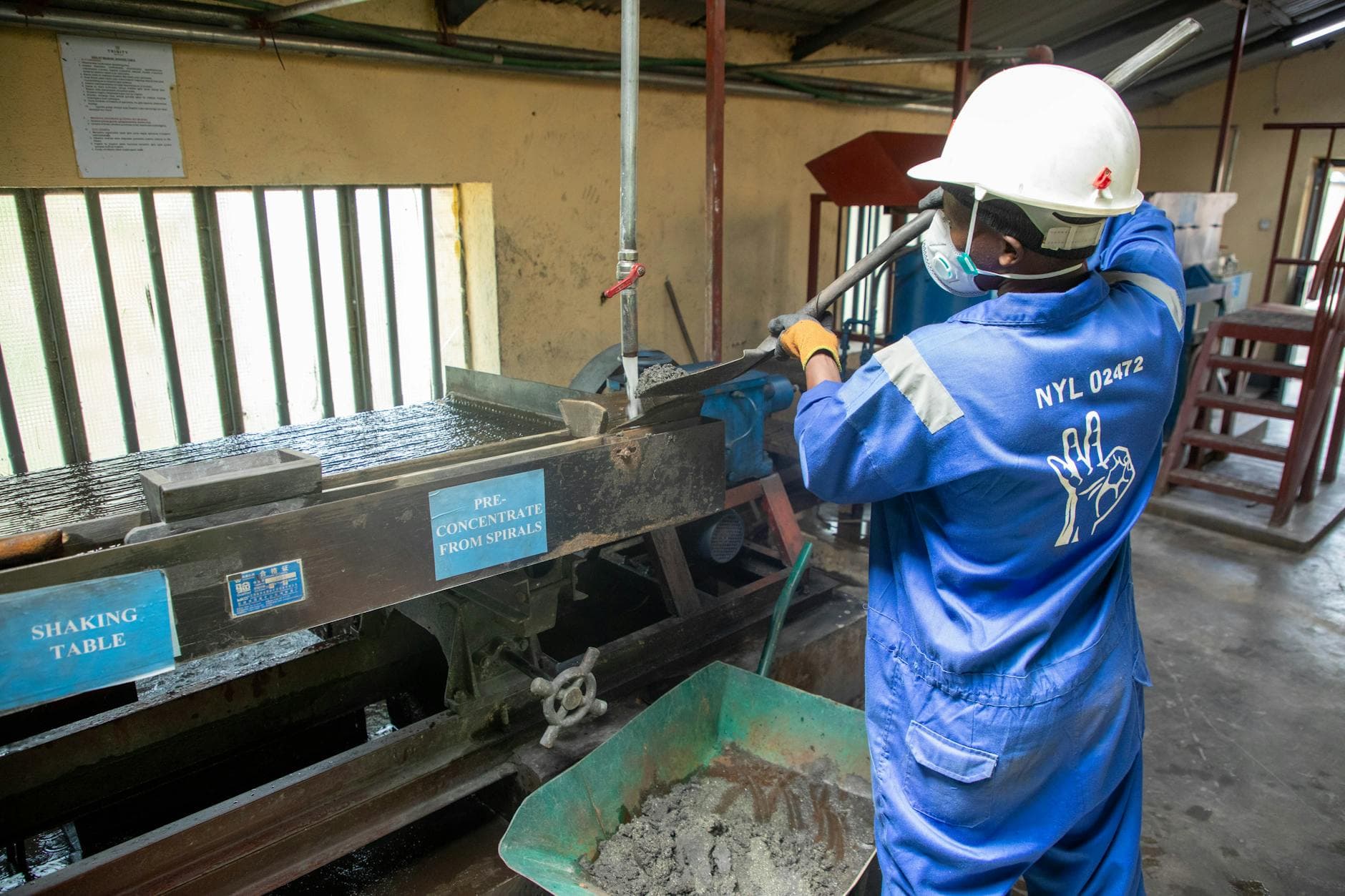
For bankers and traders inside Goldman, that kind of call has practical consequences well beyond the metals desk. Commodity forecasts feed into financing decisions, hedge timing, capital budgeting and how the firm frames conversations with corporate clients trying to decide whether to lock in prices or wait for more visibility. In a market this sensitive to construction, manufacturing and grid investment, a held forecast can be as telling as a cut or an upgrade.
The takeaway for Goldman’s workforce is that the firm is still treating copper as a barometer of caution, not confirmation. The bank is not dismissing the electrification trade, but its unchanged 2026 surplus view suggests it is not ready to declare a broad industrial upturn either. For clients looking for a clearer cyclical break, that leaves copper in the middle ground: strategically important, structurally supported over time, but still carrying the burden of a market that has not yet proven a durable rebound in global manufacturing.
Know something we missed? Have a correction or additional information?
Submit a Tip