Goldman Sachs pay benchmark shows 2026 investment-banking compensation trends
Goldman’s 2026 pay benchmark is less a salary table than a reality check: a crowd-sourced read on comp pressure, bonus expectations and retention across the banking ladder.
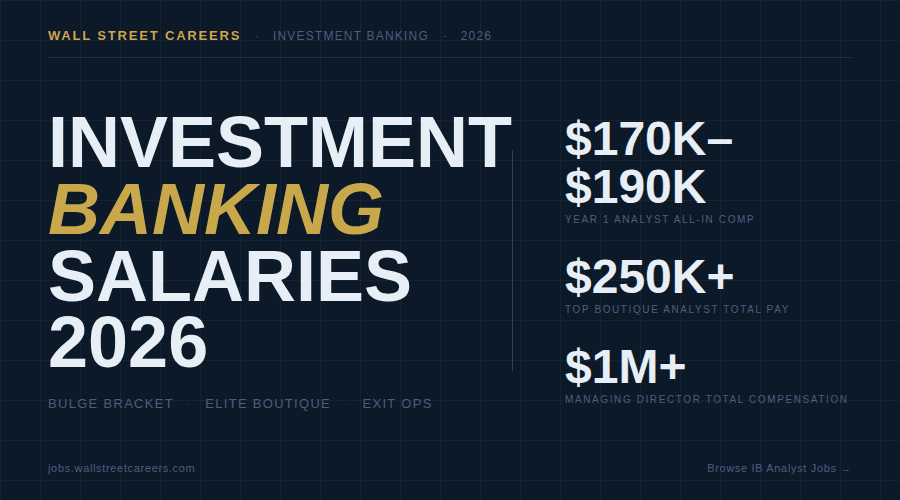
Goldman Sachs bankers do not get a public pay grid, which is exactly why the 2026 Wall Street Oasis compensation report matters. The benchmark pulls together self-reported pay from 2024, 2025 and year-to-date 2026 across Goldman, JPMorgan, Morgan Stanley and other bulge-bracket firms, giving analysts, associates, VPs and candidates a directional read on where compensation is firming up and where it is slipping behind.
The benchmark that employees actually use
The appeal of the report is not precision. It is practical comparison. Wall Street Oasis says the data comes solely from user submissions, so it should be treated as a market signal rather than an official internal map, but it still offers one of the clearest open views of pay by firm and position in investment banking.
That structure matters because Goldman compensation is often discussed in fragments, with one person talking about a strong bonus and another complaining about a weak year-end number. A crowdsourced benchmark can help cut through that noise by showing how pay is behaving across the ladder, from internships through senior banker roles, and by making it easier to compare Goldman with peers in the same cycle. The report also annualizes internship pay by multiplying hourly rates by 2,000, which makes summer comp easier to compare with full-time offers.
For Goldman employees, the value is not salary trivia. It is leverage. A reliable outside benchmark can shape lateral moves, internal retention conversations, promotion expectations and the way candidates judge whether a Goldman offer compensates for the hours attached to it.
How Goldman says it sets pay
Goldman’s own compensation framework leaves room for judgment, and that is part of the story. The firm says compensation is reviewed annually and may include salary, discretionary compensation and certain local allowances, with final pay determined by firm, divisional and individual performance.
That is the kind of language employees know can mean very different things on different desks. In practice, it means the real pay conversation happens at year-end and around promotion, not through a fixed formula that analysts can memorize. Goldman’s pay-equity statement adds that the firm’s practice is to review employee compensation before finalization, reinforcing that compensation is a recurring management decision, not a one-time promise.
The firm also says it aims to provide “highly competitive pay levels over the long term.” For people inside the franchise, that promise only lands if the numbers feel consistent with the market and with the workload that comes with it. In a business where long nights, client demands and live deal pressure are part of the bargain, compensation is always being compared against the cost of staying.
Why the shareholder vote matters to bankers
Compensation at Goldman is not just a management issue, it is a governance issue. In its 2026 proxy statement, the firm said shareholders were set to vote on an advisory say-on-pay proposal at the April 29, 2026 annual meeting in Salt Lake City, Utah, alongside the ratification of PwC as auditor.
That matters inside the firm because it shows executive pay is being watched at the same time that staff pay is under pressure from the market. When shareholders are asked to weigh in on compensation at the top, employees read that as another signal that pay is under active scrutiny across the organization. It also underlines the difference between how bankers talk about comp in private and how the firm has to defend it in public.
For junior bankers, that governance backdrop may feel distant. For managing directors and group heads, it is part of the same message board. Internal compensation decisions do not happen in a vacuum, especially when the firm knows investors are looking for discipline, alignment and proof that pay is tied to performance.
The business backdrop supporting pay expectations
Goldman’s 2025 annual report gives the comp debate a stronger backdrop than in a weaker year. The firm said it remained the #1 M&A advisor in investment banking for the 23rd year in a row, reported 2025 net revenues of $58.3 billion, earnings per share of $51.32 and return on equity of 15.0%.
Those numbers matter because they frame compensation expectations inside a franchise that is still performing at a high level. Goldman also said firmwide net revenues have risen roughly 60% since its January 2020 Investor Day, earnings per share have grown 144%, returns have improved by 500 basis points and historical principal investments have been reduced by more than 90%, from about $64 billion to $6 billion. The firm added that its stress capital buffer has been lowered by a cumulative 320 basis points since 2020.
Taken together, that is the kind of operating backdrop that supports stronger bonus conversations, especially in the core banking businesses that help drive prestige and exits. It does not guarantee every desk is paying up, but it does make it harder for compensation to look disconnected from the business franchise behind it.
What it means for recruiting, retention and exits
For candidates, the report is a reality check before an offer is accepted. Goldman still carries brand power, and that brand remains tied to its standing in M&A and broader investment banking, but people compare total compensation against the market, not just the logo on the offer letter. A role that looks elite on paper can feel far less attractive if the bonus and progression path do not match peer firms.
For current staff, the benchmark is useful in the months when pay anxiety spikes. Analysts and associates use it to judge whether they should stay through the next bonus cycle, while VPs and MDs use it to assess whether their teams are likely to drift toward rivals or to exit paths in private equity, hedge funds, corporate development or fintech. That is why the report is most useful as a conversation starter inside Goldman: not “what is the exact number,” but “is my group keeping pace, and if not, why not?”
The main takeaway is simple. Goldman’s compensation story is strongest when the firm’s franchise strength, annual pay review process and public governance posture all point in the same direction. When those signals line up, the market hears confidence; when they do not, the chatter around bonuses and retention gets louder fast.
This article was produced by Prism’s automated news system from verified source data, official records, and press releases, then run through automated quality and moderation checks before publishing. The system is built and supervised by the people who set the standards it runs under. Read our full AI policy.
Did this article answer your question?