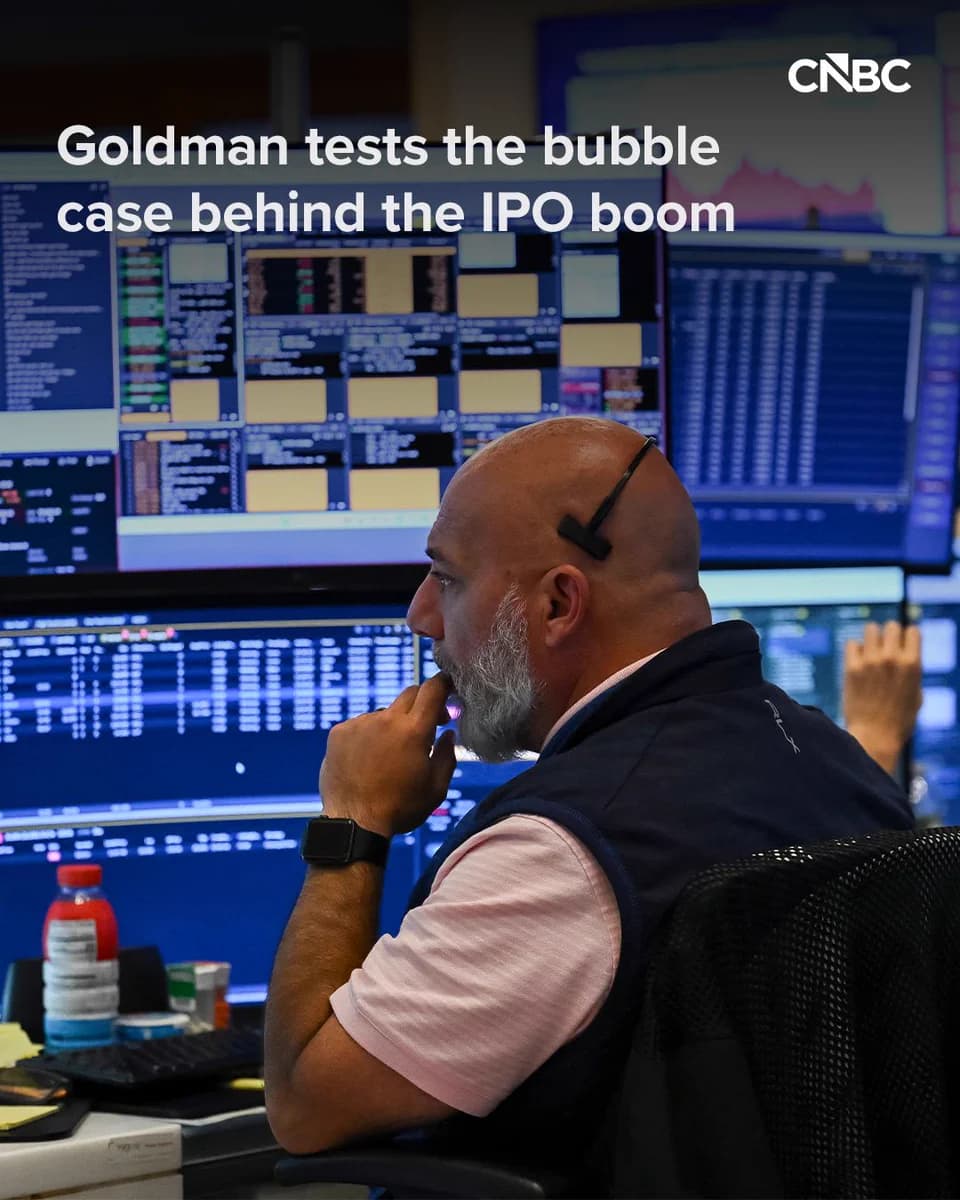
Goldman Sachs says AI boom could lift Asian currencies
Goldman Sachs put the won, Taiwan dollar and ringgit at the center of Asia’s AI trade, tying currency gains to chip exports and capex flows.
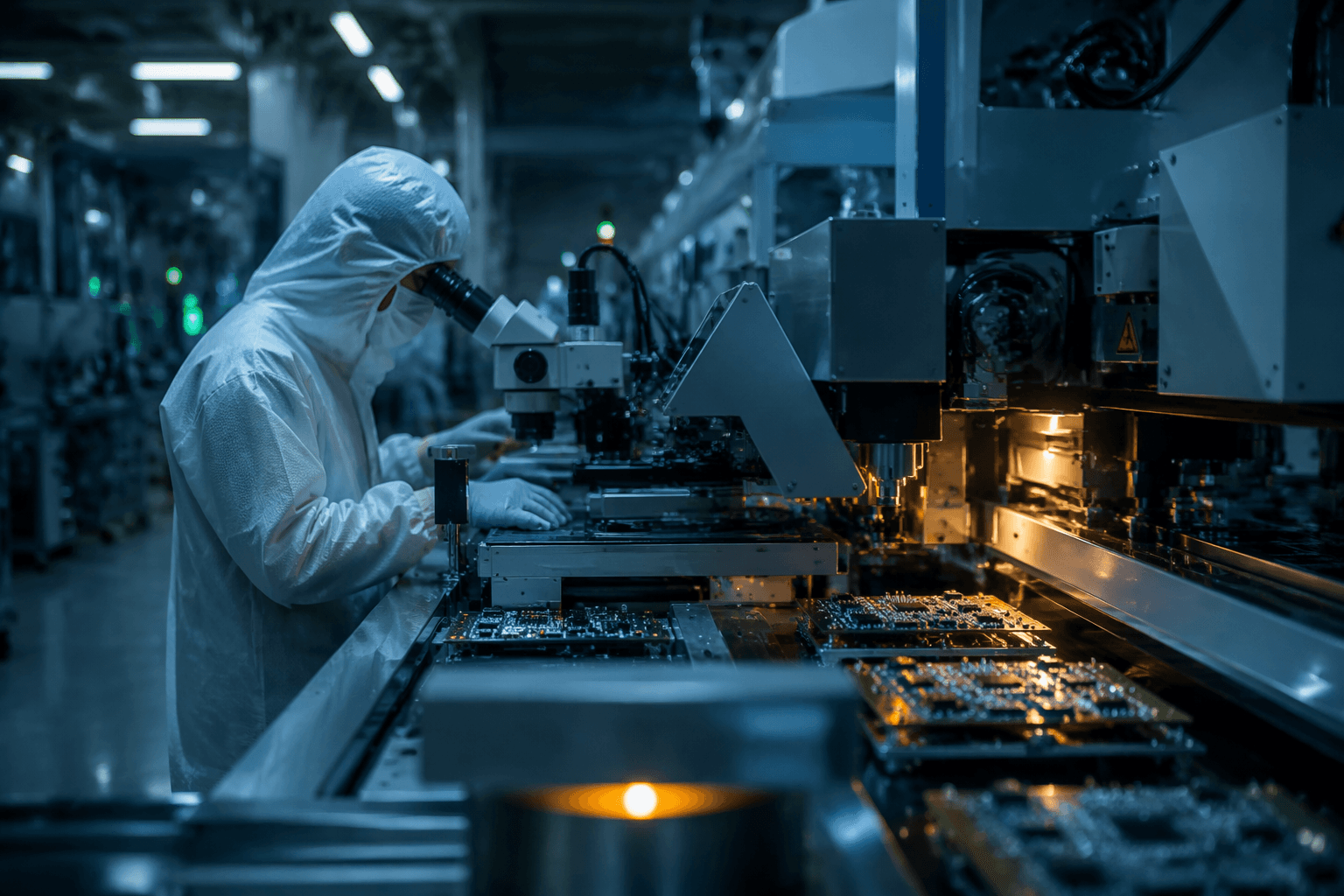
Goldman Sachs has put the South Korean won, Taiwan dollar and Malaysian ringgit at the front of its Asia AI trade, arguing that the currency winners are likely to be the markets most tied to semiconductor exports and AI-related investment. The bank’s call shifts the focus from a simple chip rally to the harder question of which economies actually capture the cash, the trade surplus and the capital flows.
South Korea sits at the center of that thesis. A BigGo summary of Goldman’s note said the bank sees South Korea’s current account surplus reaching $300 billion, equal to 13.9% of GDP, with the AI investment boom helping to drive it. Taiwan carries a similar logic because its semiconductor export base is deeply exposed to the hardware side of AI buildout, while Malaysia is also on Goldman’s list of beneficiaries even though the strongest export case in the notes is concentrated in South Korea and Taiwan.
The bank’s broader argument is that AI is not just a valuation story for megacap tech names. Goldman has separately said emerging-market stocks and currencies are forecast to rally, and it raised its emerging-markets target on an AI-driven China rally on March 6, 2025. That matters for FX desks because the trade depends on more than sentiment: it needs real investment spending, stronger export receipts and, ideally, sustained foreign demand for the region’s assets.
The flow data this year has been messy. Asian equities drew inflows in September 2025 as Fed rate-cut expectations and AI optimism supported risk appetite, but foreigners dumped Asia stocks at a record pace on July 1, 2026 as AI winners became crowded. South Korea and Taiwan led a $46 billion emerging-market equity exodus in June 2026, and Korean stocks turned into an AI-frenzy bellwether by July 17, 2026.
That split is what makes Goldman’s FX view different from a standard semiconductor-cycle call. If AI spending continues to lift chip exports, current-account balances and regional capital inflows, the won and Taiwan dollar should have the clearest upside, with the ringgit also in the mix. If the rally stays confined to crowded equity names without broad export and flow support, the currency payoff is likely to be much thinner.
This article was produced by Prism’s automated news system from verified source data, official records, and press releases, then run through automated quality and moderation checks before publishing. The system is built and supervised by the people who set the standards it runs under. Read our full AI policy.
Did this article answer your question?