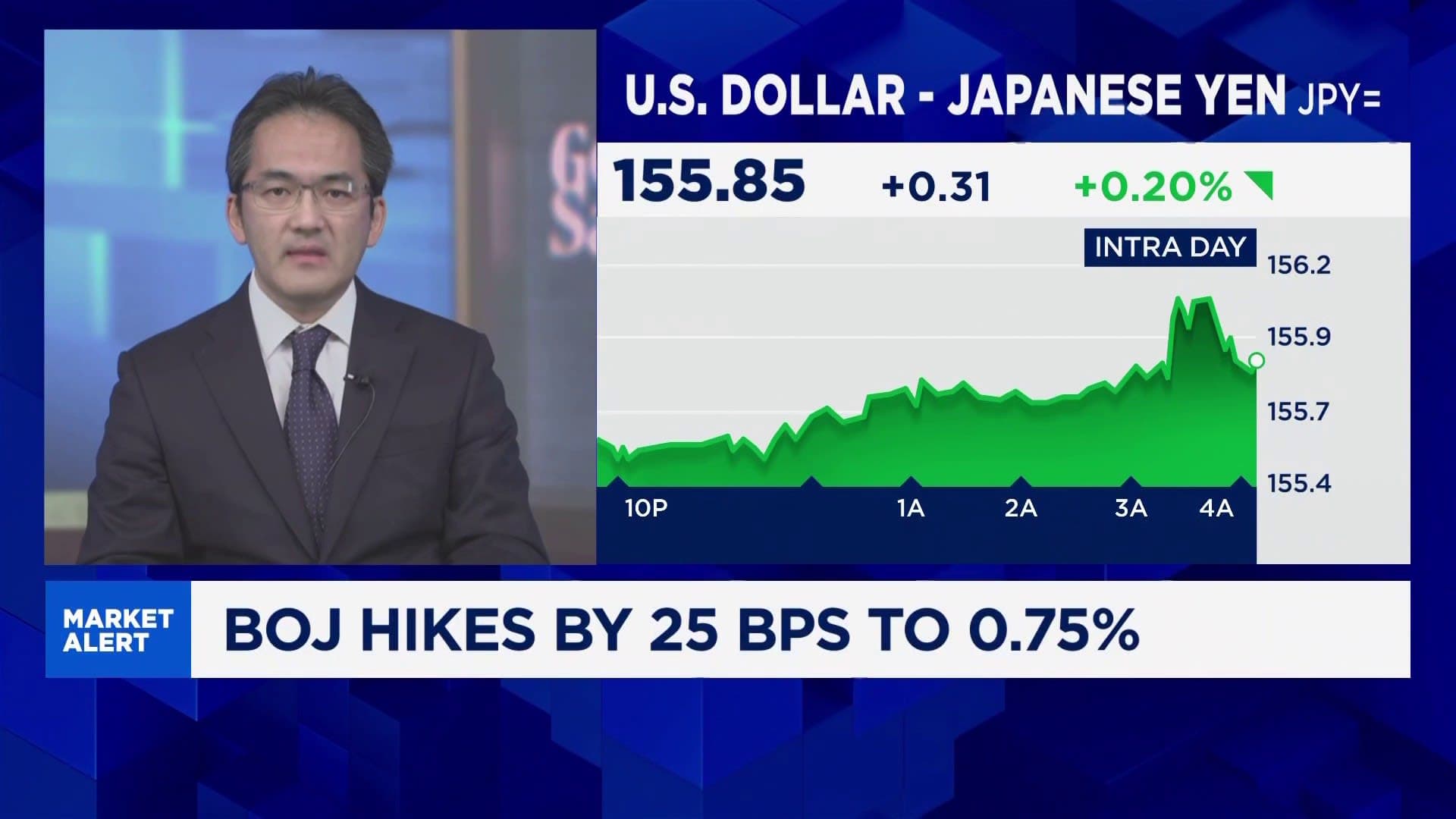
Goldman Sachs says record US IPO surge reflects market normalization
Goldman says U.S. IPO volumes will top $200 billion this year, and it is calling the rebound normal deal flow, not bubble behavior.
Goldman Sachs said U.S. IPO volumes were set to exceed $200 billion this year, and it is framing the surge as a return to normal capital-markets activity rather than a bubble. That distinction matters inside Goldman because a lasting listing window would refill equity capital markets desks, keep analysts and associates on live mandates, and give bankers more inventory to pitch to private companies that had delayed going public.
The bank’s confidence built through a year of stop-start momentum. In January 2025, bankers on Wall Street were already hoping for an IPO revival as high-profile listings stacked up, and David Solomon said the market was “going to pick up” along with dealmaking. By September 2025, Solomon said Goldman was set for its busiest IPO week in more than four years, a signal that the rebound had moved beyond isolated marquee deals.

The backdrop was still uneven. Global IPO activity slumped in 2025 as tariffs and volatility weighed on markets, which is why Goldman has been careful to separate a healthier issuance backdrop from the kind of euphoria Solomon warned about in 2020, when he flagged the risks of investors chasing hot offerings. That older caution still shapes how the firm talks about the market now: strong flow, but not froth.
Goldman later pushed its 2026 outlook higher, saying U.S. IPO proceeds could quadruple to a record $160 billion as dealmaking rebounded. The newer call for more than $200 billion in U.S. IPO volume goes a step further and suggests the bank sees a broader reopening of the listing market, not just a few large transactions landing at once.
For Goldman employees, a durable window over the next two quarters would mean steadier ECM workloads, more roadshow preparation, pricing work and client follow-up, and fewer dead weeks between launches. Analysts and associates would likely spend more time on live execution and less time waiting for pitches to turn real, while coverage bankers would have more to sell in conversations with late-stage founders, private equity sponsors and CFOs weighing timing against volatility. It would also affect staffing expectations in New York and other deal hubs: when the pipeline stays open, managers tend to keep benches fuller, stretch junior teams across more live books and count on the fee flow to support compensation plans at year-end.
This article was produced by Prism’s automated news system from verified source data, official records, and press releases, then run through automated quality and moderation checks before publishing. The system is built and supervised by the people who set the standards it runs under. Read our full AI policy.
Did this article answer your question?