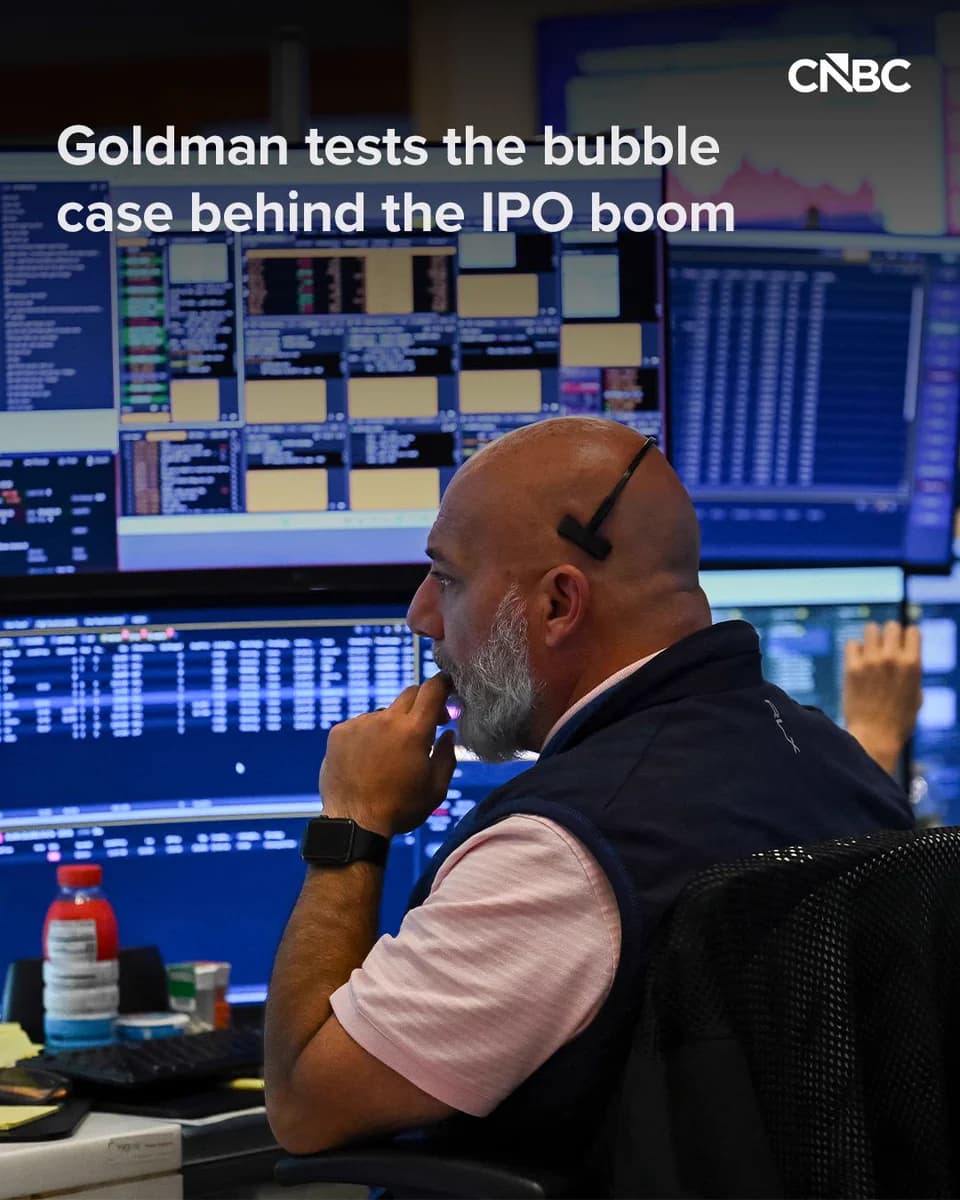
Goldman Sachs sees Japan rate hikes every six months through 2027
Goldman Sachs sees the BOJ lifting rates every six months, with hikes in January and July 2027, a slow grind that keeps FX and funding desks on alert.
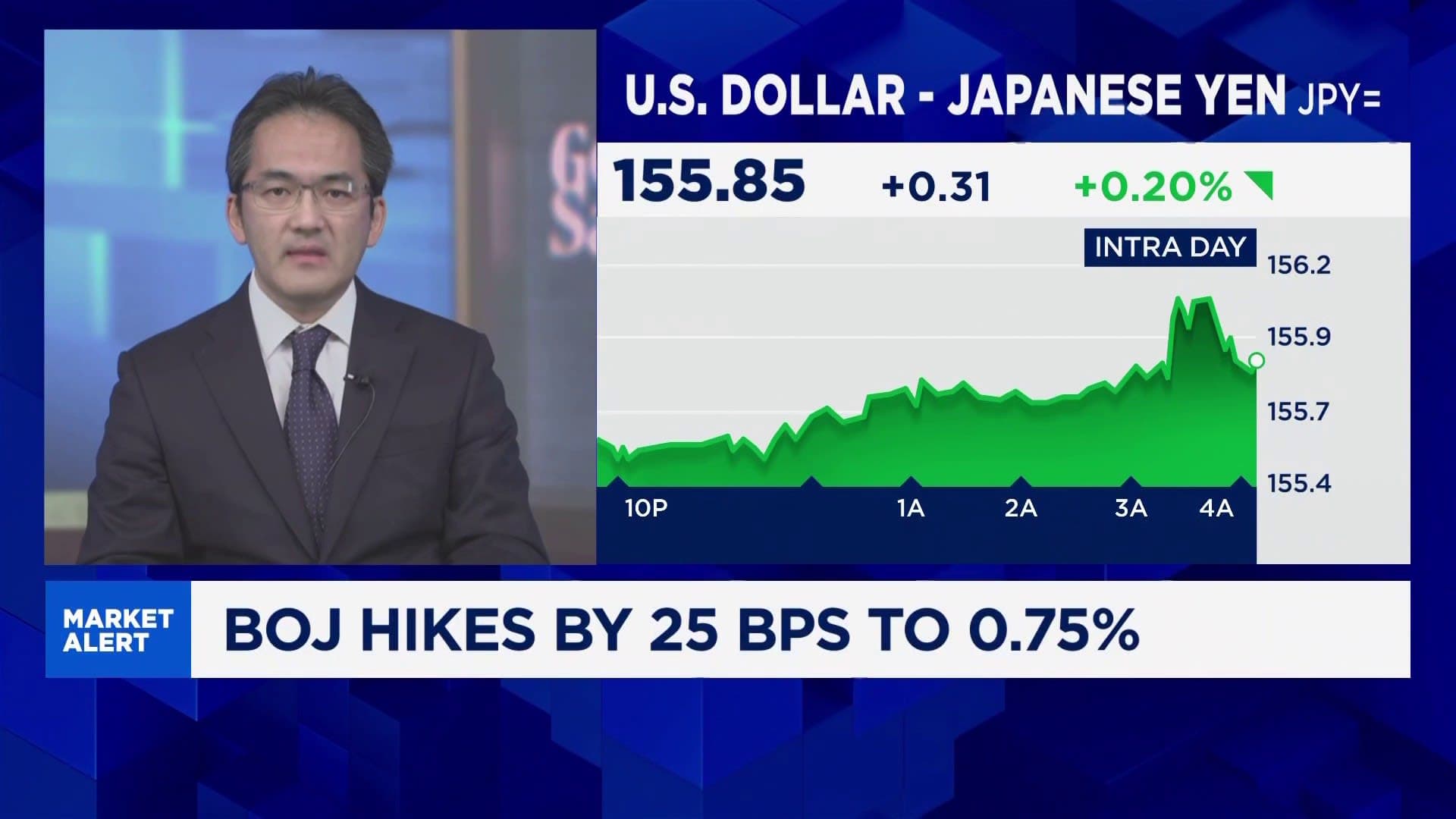
Goldman Sachs is sticking with a six-month pace for Bank of Japan rate hikes, calling for the next move in January 2027 and another in July 2027.
The forecast lands in a market that had already been leaning toward more tightening. A Reuters poll in December 2025 found a majority of economists expected the BOJ to lift rates to 0.75% in December and to 1.0% by the following September. Earlier, BOJ board members had debated a near-term hike in September 2025, then weighed the pros and cons of pausing after leaving rates at 0.5% that month.
Goldman Sachs said the domestic backdrop still supports gradual moves. The economy was recovering moderately, price trends were still somewhat weak, and rising upstream costs were likely to spill over into consumer prices. Tomohiro Ota, Goldman Sachs economist, said in CNBC coverage on Dec. 19, 2025, that BOJ hikes reflected a structural shift out of deflation rather than a standard inflation fight. He expected the next hike in July 2026 and a terminal rate of 1.5% by mid-2027.
A half-year step-up gives rates and FX desks a regular set of repricing points for Japanese government bonds, swaps and yen hedges, while extending the life of strategies that relied on Japan’s ultra-low borrowing costs. It also shapes financing conversations with corporate clients in Tokyo and beyond, where treasurers will have to decide whether to lock in funding before the next round of tightening filters through to loan pricing and bond issuance.
In May 2026, the OECD projected the BOJ policy rate could reach 2.0% by the end of 2027, supported by higher inflation expectations, solid wage growth and a closed output gap.
This article was produced by Prism’s automated news system from verified source data, official records, and press releases, then run through automated quality and moderation checks before publishing. The system is built and supervised by the people who set the standards it runs under. Read our full AI policy.
Did this article answer your question?