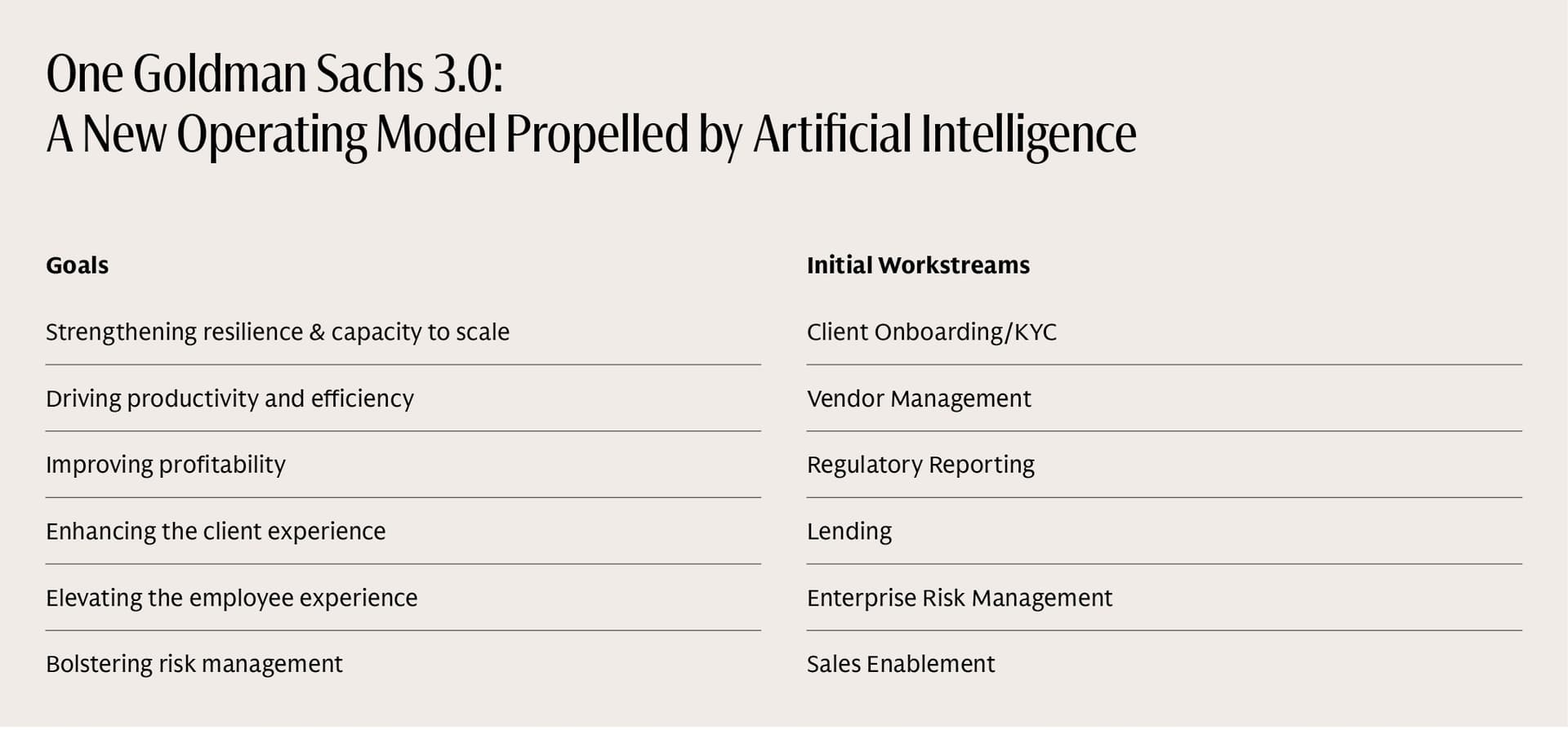
Goldman Sachs says investors are rotating from hyperscalers to AI beneficiaries
Goldman is telling clients the AI trade has become more selective, with money leaving the Magnificent Seven and moving toward semiconductors and other AI beneficiaries.
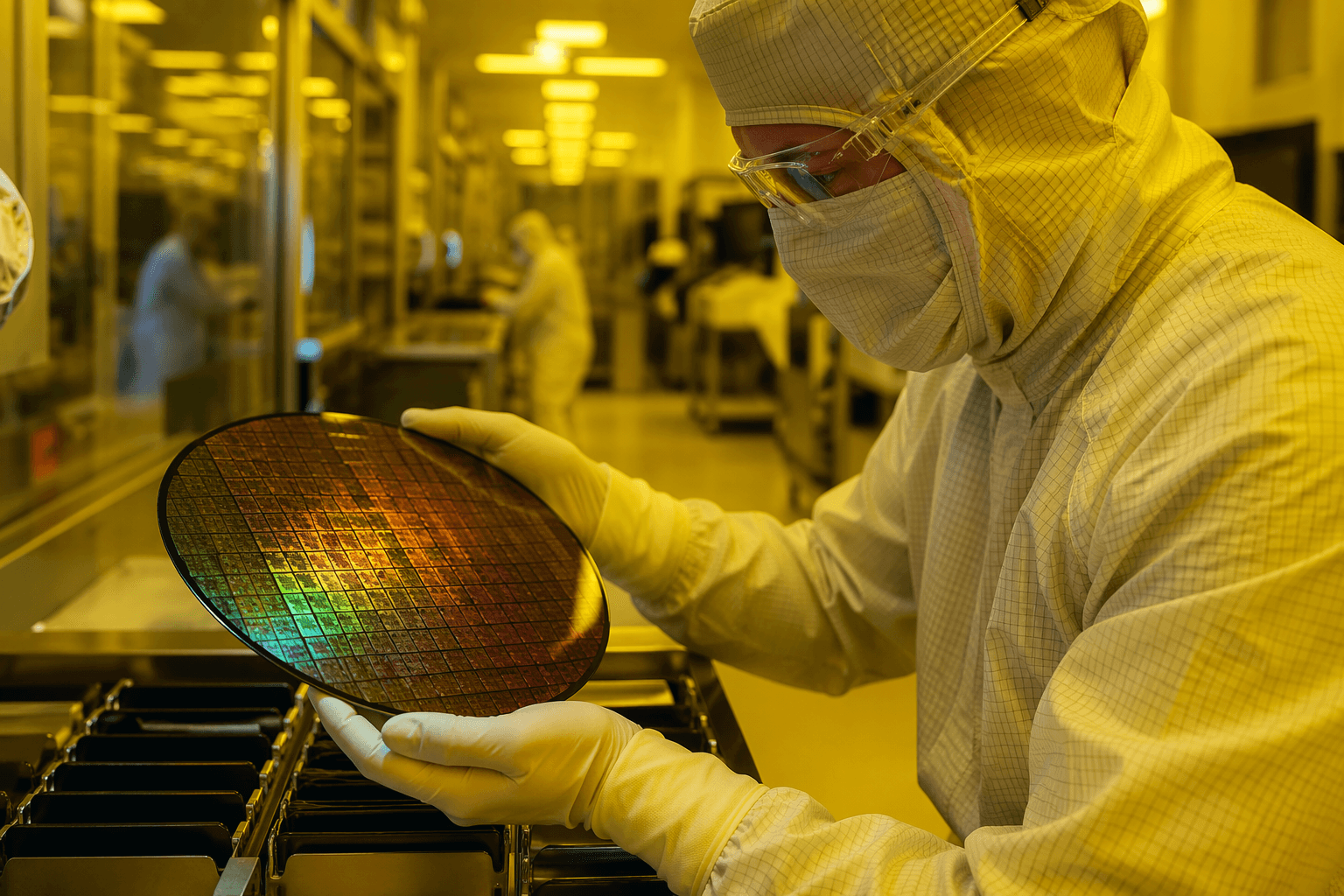
As the second half of 2026 opened, Goldman Sachs derivatives specialist Brian Garrett said investors were pulling back from technology stocks, especially the Magnificent Seven, and leaning into semiconductor names tied to the AI buildout. That shift fits a broader change in how Goldman’s research desks are framing the trade: not as a single bet on hyperscalers, but as a narrower market that is separating the companies funding the AI race from the companies supplying the chips, networking gear and other tools that make it possible.
The firm’s research team drew that line sharply in a Dec. 18, 2025 note. Ryan Hammond said investors had rotated away from AI infrastructure companies because operating earnings growth was under pressure and capex spending was increasingly debt-funded. He said the next phase of the AI trade would likely involve AI platform stocks and productivity beneficiaries, a reset from the blanket enthusiasm that had lifted the biggest megacap names earlier in the run.
The numbers inside Goldman’s note show how fast that selectivity was building. Wall Street analysts’ consensus estimate for 2026 capital spending by AI hyperscalers had climbed to $527 billion from $465 billion at the start of third-quarter earnings season. At the same time, Goldman said the average stock-price correlation across large public AI hyperscalers had fallen from 80% to 20% since June, a sign that investors were no longer treating the group like one trade.
Goldman Sachs Asset Management made a similar point on Jan. 23, 2026, saying the Magnificent Seven were moving out of sync as their AI and cloud strategies diverged. That team argued opportunities were broadening beyond hyperscalers into AI infrastructure, data and security, and even robotics and physical AI. The message inside Goldman’s own research complex was consistent: the easy phase of owning all things AI had given way to a more selective screen.
For Goldman clients, that matters less as a slogan than as a positioning cue. In equity conversations, the focus is shifting from whether AI spending keeps rising to which businesses can turn that spend into revenue, and which ones have to finance another round of data-center, power and cloud investment before the payoff shows up. That is a different market from the one that carried the Magnificent Seven higher together, and Goldman’s 2026 tech outlook is built around that distinction.
This article was produced by Prism’s automated news system from verified source data, official records, and press releases, then run through automated quality and moderation checks before publishing. The system is built and supervised by the people who set the standards it runs under. Read our full AI policy.
Did this article answer your question?